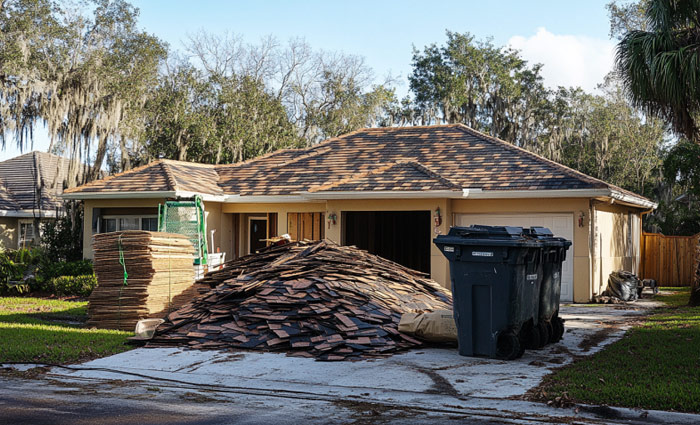
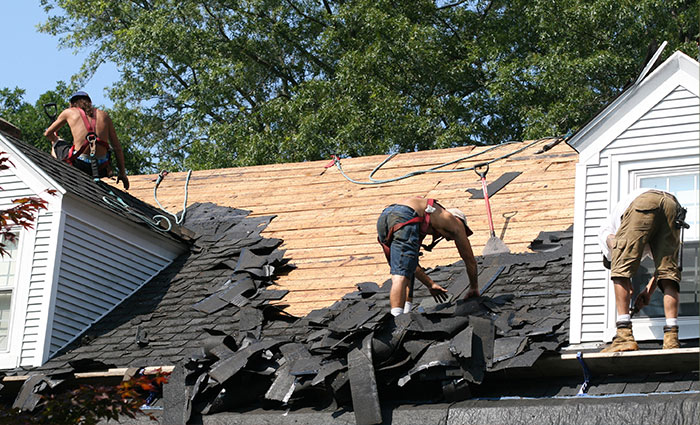
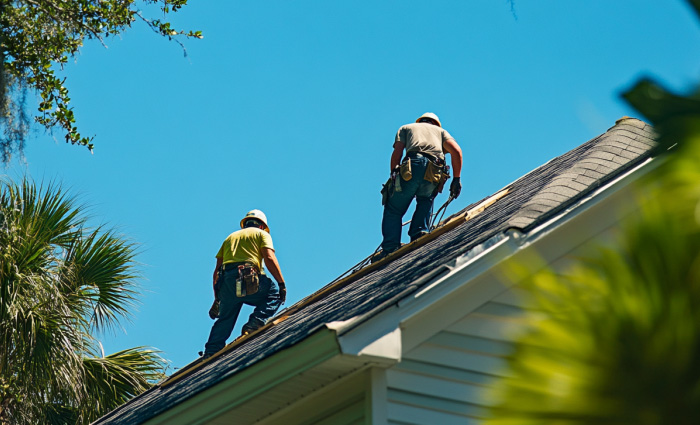
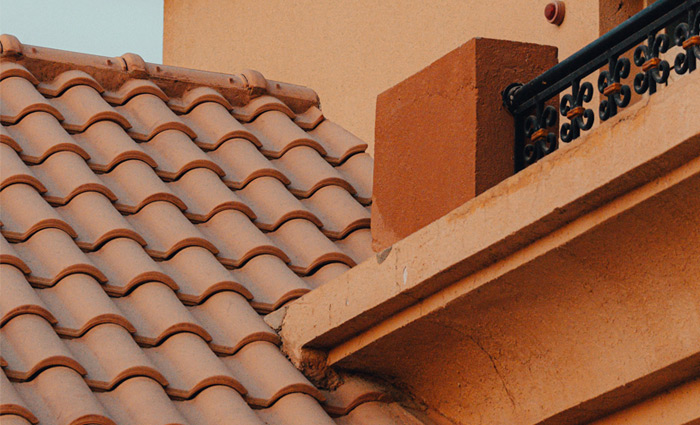
Showing posts with label Roofer. Show all posts

Sunday, December 21, 2025

When to Replace Your Roof

Replacing a roof represents one of the most significant home maintenance investments many homeowners will face, typically costing $10,000 to $30,000 or more. The decision of when to replace your roof can significantly impact both your family’s safety and your long-term financial well-being. Understanding the warning signs, timing considerations, and assessment process helps you make an informed decision that protects your home and maximizes your investment.
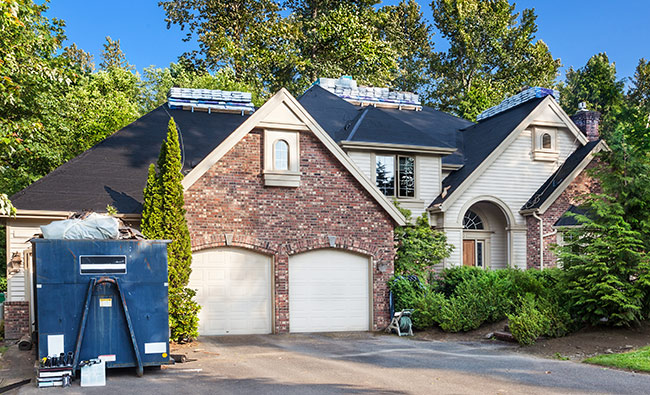
when to replace roof warning signs

This comprehensive guide covers everything you need to know about roof replacement timing, from recognizing critical warning signs to planning your budget and selecting the right roofing contractor for your project.

When You Should Replace Your Roof

The timing for roof replacement depends heavily on your roofing material and several key factors that affect the roof’s life expectancy. Different materials have dramatically different lifespans, and knowing your roof’s expected lifespan helps you plan for replacement before emergencies arise.

Material-Specific Replacement Timelines:

  • Asphalt shingle roof systems should be replaced after 15-25 years of service, though many begin showing significant wear around the 15 year mark
  • Metal roof installations typically need replacement after 30-70 years, depending on the coating quality and environmental conditions.
  • Clay tile and slate roofs can last 50-100 years before requiring complete replacement, though underlayment may need attention sooner.
  • Wood shakes and shingles generally require replacement every 20-40 years, with higher replacement frequency in moisture-prone or wildfire-risk areas.

Immediate Replacement Triggers:

Regardless of age, certain conditions demand immediate action. Replace your roof immediately if you have persistent leaks that persist despite repairs, major storm damage that affects structural integrity, or widespread shingle failure affecting more than 30% of the roof surface.

Consider replacement when repair costs exceed 30% of the cost of a new roof. At this point, investing in a complete roof replacement often provides better long-term value than continued piecemeal repairs that may fail again within a few years.

Age-Related Replacement Guidelines

Tracking your roof’s age provides crucial information for replacement planning. Many homeowners don’t know when their roof was installed, which makes timing decisions more difficult and can lead to emergency replacements that cost significantly more than planned projects.

Age Tracking and Planning:

Track your roof’s installation date to plan for timely replacement. If you don’t know when your roof was installed, check home inspection reports, previous owner records, or have a roofing professional estimate the age based on material condition and installation techniques.

Roofs older than 15 years should undergo annual professional inspections to monitor condition and identify emerging issues. This proactive approach helps you plan replacement timing and budget accordingly, rather than facing surprise emergency costs.

Proactive Replacement Planning:

Consider replacing your roof if it is within 5 years of its expected lifespan, especially if you notice any warning signs of deterioration. This timing allows you to schedule work during optimal seasons and compare multiple roofing contractor estimates without time pressure.

Poor installation or ventilation can reduce lifespan by 5-10 years. If your roof shows signs of premature aging, such as excessive granule loss or shingles curling before typical age thresholds, investigate whether ventilation improvements or installation issues contributed to accelerated wear.

Regional Considerations:

Neighborhoods built in the 1990s-2000s are entering prime replacement years for their original asphalt shingle systems. Many of these communities used similar materials and installation techniques so that multiple homes may need roof replacements around the same time. This creates both opportunities for neighborhood contractor discounts and potential scheduling challenges during peak demand periods.

Critical Warning Signs Requiring Immediate Replacement

Recognizing roof failure warning signs helps you distinguish between minor maintenance needs and situations requiring complete replacement. These indicators often occur in combination, and the severity and extent of damage determine whether repair or replacement is the better option.
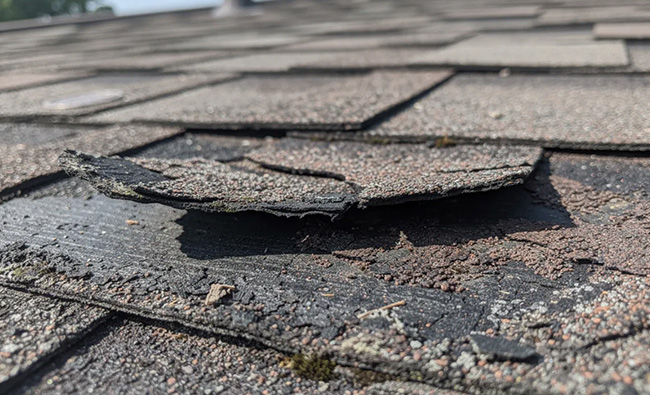
roof damage warning signs, missing and cracked asphalt shingles on a residential roof

Exterior Damage Indicators

Shingle Deterioration Patterns:

Curling, cracking, or missing shingles covering more than 30% of your roof surface indicates systemic failure and requires replacement rather than spot repairs. Curled shingle edges allow water infiltration and accelerate damage to the underlayment and roof deck.

Cracked shingles often result from age-related brittleness and UV exposure. While individual cracked shingles can be replaced, widespread cracking across large roof sections signals that the entire roof system has reached the end of its functional life.

Granule Loss Assessment:

Extensive granule loss visible in gutters after storms or routine maintenance indicates advanced shingle deterioration. Granules protect the underlying asphalt from UV damage and impact, so their loss accelerates further deterioration and reduces weather resistance.

Check your gutters and downspouts regularly for accumulations of granular material that resembles coarse sand. Heavy granule deposits, especially in newer sections of the roof, may indicate manufacturing defects or installation issues requiring professional assessment.

Structural and Surface Issues:

Sagging rooflines or visible structural deformation pose urgent safety hazards that require immediate professional evaluation. Sagging often indicates moisture damage to the roof deck, undersized structural supports, or settlement affecting the building’s framework.

Moss coverage on more than half the roof surface, particularly thick moss growth, traps moisture against shingles and accelerates decay. While moss can sometimes be removed, extensive growth often indicates poor drainage or ventilation, which can contribute to premature roof failure.

Flashing and Penetration Problems:

Damaged or missing flashing around chimneys and vents creates entry points for water infiltration that can cause extensive hidden damage. Metal flashing deteriorates over time, and rubber boots around penetrations crack due to UV exposure and temperature fluctuations.

Multiple layers of shingles from previous roof-overs create weight stress and make inspection of underlying conditions impossible. Building codes typically limit roof layers to two, and multiple layers often hide deck damage or ventilation problems that compromise the entire roof system.

Interior Signs of Roof Failure
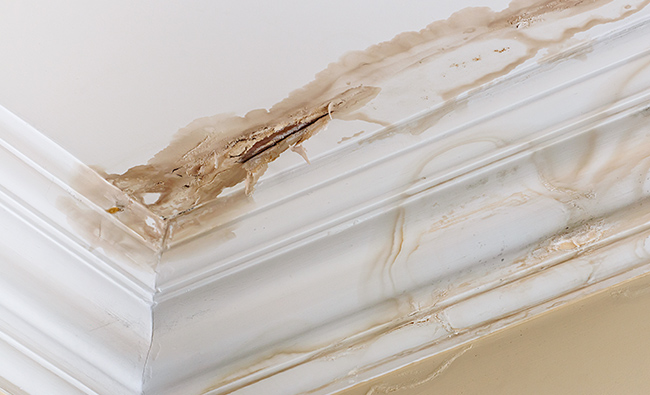
water stain on ceiling and wall indicates roof leak

Water Damage Evidence:

Water stains on ceilings or walls that keep growing indicate active leaks requiring immediate attention. Even small stains may represent significant hidden damage to insulation, framing, and other structural components that aren’t immediately visible.

The location and pattern of water stains help identify leak sources, but water can travel considerable distances from entry points before appearing on interior surfaces. Professional assessment helps determine whether localized repairs can address the problem or whether widespread damage requires complete replacement.

Attic Inspection Findings:

Daylight visible through roof boards in the attic indicates gaps, deteriorated materials, or structural damage that compromises weather protection. These openings also allow pests and moisture infiltration that can cause additional damage to stored items and building systems.

Musty odors indicating mold growth from moisture suggest long-term water infiltration that may have compromised insulation, framing, and other hidden building components. Mold remediation adds high cost to any roof replacement project, making early detection and action financially necessary.

Energy Performance Changes:

Sudden increases in energy bills due to air leaks often result from compromised roof systems that allow conditioned air to escape and outside air to infiltrate. Poor attic insulation performance from moisture damage reduces energy efficiency and increases heating and cooling costs.

Peeling paint or wallpaper near the roofline may indicate moisture problems or temperature fluctuations caused by roof system failures. These symptoms often accompany other warning signs and help confirm that roof replacement addresses underlying moisture and insulation issues.

Storm Damage Assessment

Severe weather events can instantly transform a serviceable roof into one requiring immediate replacement. Proper post-storm assessment protects your safety and ensures you don’t miss insurance coverage opportunities for legitimate damage claims.

Immediate Post-Storm Actions:

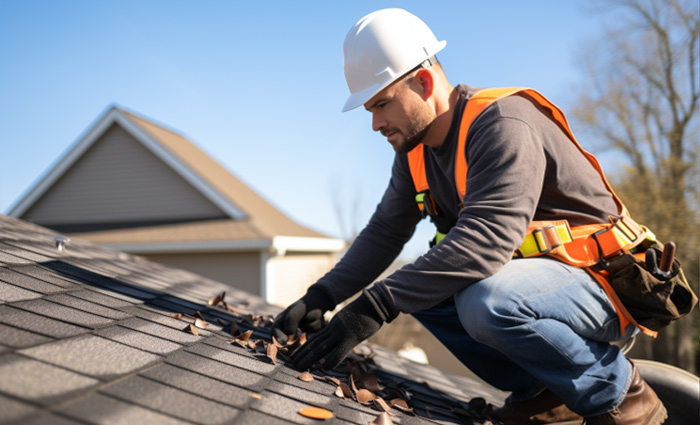
Inspect your roof within 72 hours after hailstorms or high winds, but prioritize safety over speed. Use binoculars to examine roof surfaces from the ground, and only climb onto roofs if you have proper safety equipment and experience.
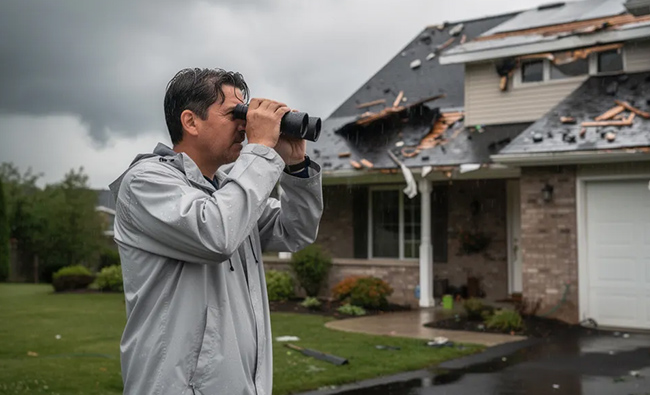
homeowner using binoculars to inspect their roof for storm damage

Look for dime-sized or larger hail damage marks on shingles, which appear as dark spots where impact has dislodged granules or created small depressions. Wind damage often appears as lifted, torn, or completely missing shingles, particularly along roof edges and ridge lines where uplift forces are strongest.

Damage Documentation Process:

Document missing shingles or exposed roof decking with photographs from multiple angles, including close-ups that show the extent of damage and wide shots that provide context. This documentation supports insurance claims and helps roofing contractors provide accurate replacement estimates.

Check for damage to gutters, downspouts, and roof vents, as these components are often impacted by severe weather. Damaged gutters may indicate that the roof received a significant impact that isn’t immediately visible from ground level.

Insurance and Professional Assessment:

Contact your insurance company within 30 days of storm damage to report potential claims and schedule adjuster inspections. Many insurance companies have specific timeframes for reporting weather-related damage, and delayed reporting can complicate claims processing.

Schedule a professional inspection even if the damage appears minor from your initial assessment. Trained roofing professionals can identify subtle damage that may not be obvious to homeowners but could lead to future leaks or accelerated deterioration if left unaddressed.

Storm damage often provides an opportunity to upgrade your entire roof system with insurance coverage, particularly when widespread damage affects multiple roof components or when existing materials don’t meet current building codes for wind or impact resistance.

Best Timing for Roof Replacement

Strategic timing for roof replacement can significantly impact project costs, quality, and convenience. Weather conditions, contractor availability, and seasonal demand all influence both pricing and installation quality.

Optimal Seasonal Windows:

Plan replacement during late spring (April-May) or early fall (September-October) when weather conditions provide consistent working days and moderate temperatures that don’t stress workers or materials. These seasons typically offer the best balance of favorable weather and reasonable contractor availability.

Avoid peak summer heat and winter weather delays when possible. Extreme heat makes working conditions dangerous and can affect material performance during installation. Winter weather creates safety hazards and may require special installation techniques that increase costs and project duration.

Scheduling and Planning Considerations:

Schedule your roof replacement 2-3 months in advance during optimal seasons to ensure contractor availability and avoid rushed installations. Popular roofing contractors often book several months in advance during peak seasons, so advance planning lets you choose the best contractor rather than settle for whoever has immediate availability.

Emergency replacements can be done year-round with proper precautions, but expect higher costs and potential delays during adverse weather conditions. Emergency work often requires temporary weather protection and specialized techniques that increase labor costs and material requirements.

Cost and Availability Factors:

Consider off-season discounts during winter months in moderate climates where installation remains feasible. Some contractors offer reduced rates during slower periods, though you must balance potential savings against weather-related installation risks.

Extreme weather events can trigger sudden demand spikes that strain contractor availability and drive up material costs. Major storms affecting large areas often lead to contractor shortages and price increases that can persist for months after the initial damage.

Regional factors also influence optimal timing. In New England and other northern climates, fall completion ensures protection before winter weather, while southern regions may find winter installation more feasible due to milder conditions.

Professional Assessment Guidelines

Selecting qualified roofing professionals and obtaining thorough assessments helps ensure accurate diagnoses of roof conditions and appropriate replacement recommendations. The assessment process helps you understand your options and make informed decisions about timing and materials.
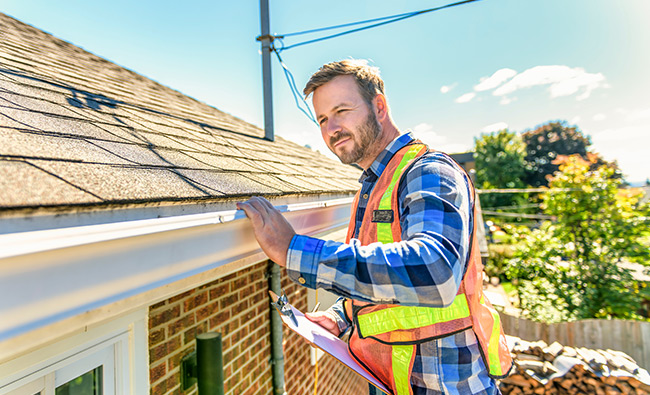
roof inspection

Inspection Scheduling and Frequency:

Get roof inspections every 2-3 years after your roof reaches 10 years of age to monitor condition changes and identify emerging issues before they become expensive problems. Regular maintenance inspections cost far less than emergency repairs and help you plan replacement timing.

Schedule inspections during dry weather to ensure accurate assessments of roof condition. Wet conditions can mask some damage indicators and create safety hazards that prevent thorough examination of roof surfaces and attic spaces.

Consider additional inspections after major storms, even if no apparent damage is visible from ground level. Professional inspectors have experience identifying subtle damage that may not be apparent to homeowners but could lead to future problems if unaddressed.

Contractor Selection Process:

Obtain three written estimates from licensed roofing contractors to compare pricing, materials, and installation approaches. Multiple estimates help you understand market pricing and identify contractors who provide thorough assessments versus those who offer quick quotes without detailed examination.

Request detailed material specifications and warranty information for both materials and workmanship. Quality contractors provide specific product information, installation methods, and clear warranty terms that protect your investment for years after installation.

Verify contractor licensing, insurance, and Better Business Bureau ratings before scheduling estimates. Licensed contractors must meet minimum competency requirements, and proper insurance protects you from liability for workplace accidents during your project.

Red Flags and Best Practices:

Avoid door-to-door contractors who appear after storms and may pressure you into quick decisions or demand large upfront payments. Legitimate contractors typically schedule appointments and provide written estimates without high-pressure sales tactics.

Be cautious of estimates that vary dramatically from others, either significantly higher or lower. Extremely low estimates may indicate corner-cutting or hidden costs, while unusually high estimates may suggest unnecessary work or premium pricing without corresponding value.

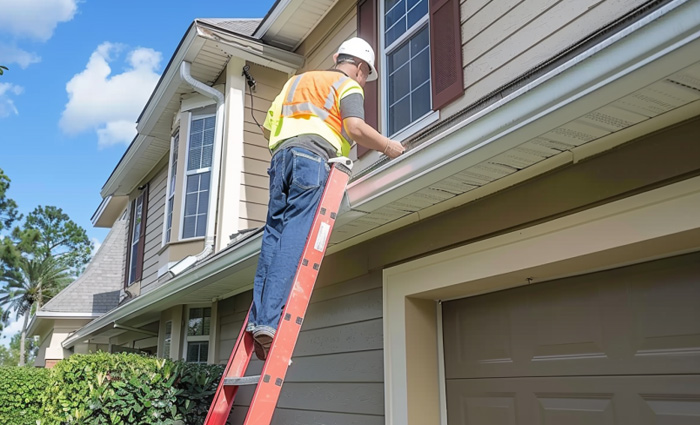
Quality roofing contractors should climb onto your roof or use drones/ladders to examine conditions rather than providing estimates based solely on ground-level observations. Thorough assessment requires close examination of shingle condition, flashing details, and ventilation systems.

Financial Planning for Roof Replacement

Understanding roof replacement costs and planning financing helps you avoid emergency situations that limit your options and potentially increase expenses. Early financial planning also allows you to take advantage of optimal timing and contractor selection opportunities.

Cost Expectations and Budgeting:

Budget $10,000-$30,000 for typical asphalt shingle replacement on average-sized homes, though costs vary significantly based on roof size, complexity, accessibility, and local labor rates. Simple ranch-style homes typically fall toward the lower end of this range, while multi-story homes with complex rooflines require higher budgets.

Premium materials such as metal or slate cost $25,000-$50,000 or more but offer a longer service life and may provide better energy efficiency, which can offset higher upfront costs over time. Consider lifecycle costs, not just initial installation expenses, when comparing material options.

Regional cost variations can be substantial, with areas experiencing high demand from recent storm damage or rapid growth commanding premium pricing. Urban areas with higher labor costs and stricter building codes may also increase project expenses compared to rural locations.

budgeting for roof replacement

Proactive Planning Strategies:

Start saving when your roof reaches 15 years old to avoid financial stress when replacement becomes necessary. Setting aside $100-200 per month starting at the 15-year mark typically accumulates sufficient funds for replacement by the time your roof approaches the end of its life.

Regular maintenance can extend roof life and delay replacement costs, but don’t continue spending significant money on repairs once your roof approaches 20 years of age. At that point, repair funds are often better invested in replacement planning.

Financing and Incentive Options:

Explore financing options, including home equity loans, personal loans, or contractor financing programs, to spread replacement costs over time. Home equity loans often provide the lowest interest rates, though they use your home as collateral for the loan amount.

Check for manufacturer rebates and energy-efficiency tax credits that may apply to your roof-replacement project. Some utility companies also offer rebates for energy-efficient roofing materials that reduce cooling costs in hot climates.

Insurance Considerations:

Compare insurance deductibles versus out-of-pocket replacement costs to understand your potential exposure from storm damage. Higher deductibles reduce premiums but increase your out-of-pocket expenses if damage occurs before the planned replacement.

Many homeowners find that proactive replacement eliminates uncertainty about insurance coverage and prevents disputes over whether damage resulted from wear and tear or from covered weather events. Insurance companies increasingly scrutinize claims on older roofs and may limit coverage based on roof age and condition.

Understanding your home insurance policy’s roof-replacement coverage helps you plan the timing and potentially coordinate the replacement with covered damage to maximize insurance benefits while ensuring adequate protection for your home and family.

Replacing Your Roof Conclusion

Knowing when to replace your roof requires careful consideration of age, condition, and warning signs that indicate your home’s protection is compromised. The key factors include material-specific lifespans, visible deterioration indicators, storm-damage assessments, and financial planning that enables proactive rather than reactive replacement decisions.

Most asphalt shingle roofs require replacement every 15 to 25 years, while premium materials such as metal or slate offer much longer service life. However, age alone doesn’t determine replacement timing – you must also evaluate warning signs like missing shingles, granule loss, water stains, and structural issues that indicate immediate attention is needed.

Professional assessments from qualified roofing contractors provide the expert evaluation needed to make informed decisions about repair versus replacement. Regular inspections, proper documentation of any storm damage, and advance planning for seasonal scheduling help ensure your roof replacement project proceeds smoothly and provides maximum value for your investment.

If your roof shows any of the warning signs discussed in this guide, schedule a professional inspection to assess its condition and plan your next steps. Taking action before emergency situations arise protects both your family’s safety and your long-term financial interests while ensuring you have time to make the best decisions for your home’s protection.

Roofing the Villages
(352) 293-2449

For the original version of this article visit: https://roofersthevillagesfl.com/when-to-replace-your-roof/

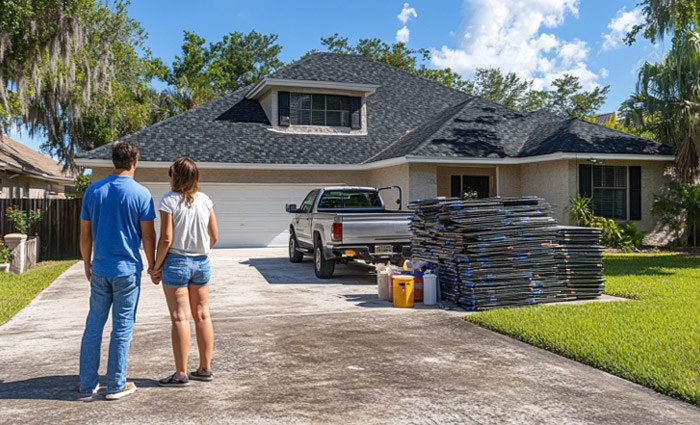
Friday, September 27, 2024

Should I Stay Home During Roof Replacement?

Are you wondering if you should stay home during a roof replacement installation? This article helps you decide by weighing the noise, safety risks, and daily disruptions you might face. We will guide you through all you need to consider to make the best decision.

should i stay home during roof replacement

Key Takeaways

  • Roof replacement creates significant noise and disruptions, which can be challenging for families, particularly those with young children or pets.
  • Safety is a major concern during roofing projects; homeowners should avoid designated construction areas to prevent accidents and consider potential hazards.
  • While staying home allows for better supervision and potential cost savings, it also brings noise and inconvenience, making alternatives worth considering.

Evaluating Noise Levels and Disruptions

Roof replacement generates significant noise, with constant banging and hammering disrupting sleep and daily routines. These loud noises can be particularly distressing for elderly individuals or young children who are sensitive to loud noises. Pets can also feel stressed and anxious due to the noise and presence of strangers. Relocating them to a quieter environment, like a friend’s house or a boarding facility, can help manage their stress.

Staying home means dealing with significant disruptions. The noise can make concentration difficult, particularly for those who work from home. Temporarily leaving can help make the process more bearable.

Safety Considerations During Roof Replacement

Safety is a primary concern during roof replacement. Your home turns into a construction zone, raising the risk of accidents. Contractors use heavy equipment and tools, and roofing materials and debris will be scattered around, so it’s important to avoid areas where debris may fall.

safety considerations during roof replacement

Roofing contractors typically ensure workers use proper safety gear like harnesses, helmets, and slip-resistant shoes to prevent accidents. Most roofing contractors use clear signage around the construction area to inform others about potential dangers. Homeowners should agree on a designated entry and exit point to maintain safety.

Homeowners must be aware of hazardous materials like asbestos or paint fumes that require proper handling. Staying home can lead to significant disturbances and safety concerns, so weighing these factors is essential.

Protecting Your Property

Protecting your property during a roof replacement is crucial. Many homeowners move or cover outdoor furniture and plants to shield them from debris and dust. An angled tarp can protect landscaping, including flowerbeds, lawns, and pools, from roofing debris.

Clearing the driveway allows access to roofing equipment and waste disposal. Removing objects mounted on walls can prevent damage from vibrations during the roofing work.

Duration of the Roof Replacement Process

The roof replacement process usually takes one to two days for an average-sized home. A 3,000 square feet or less house typically takes about one full day. However, factors like accessibility issues related to landscaping or tight urban spaces can cause delays, as can discovering structural damage.

Weather conditions also play a significant role. Cold or inclement weather can prolong the roof replacement due to safety concerns and adjustments needed for material handling. The roof’s steepness and the complexity of the roofing materials can further extend the installation time.

Being present allows homeowners to conduct final inspections and ensure the job meets expectations.

Pros of Staying Home During Roof Replacement

pros of staying home during roof replacement

Staying home during roof replacement offers several advantages. Homeowners can supervise the contractors, ensuring the roofing work meets their standards. Direct communication with the roofing team allows for timely feedback and better-informed decisions.

It can also save money on temporary accommodations and other related costs.

Supervision and Communication

Staying home allows direct communication with the roofing team, enabling timely feedback and quick, informed decisions. Homeowners can closely monitor the work to ensure it meets expectations.

Effective communication can prevent misunderstandings and ensure the project runs smoothly. This hands-on approach can significantly improve overall work quality.

Cost Savings

Staying home during a roof replacement can lead to significant cost savings, as it eliminates the need to pay for temporary accommodations.

So, for homeowners interested in cost savings, staying home might be more reasonable as it can significantly reduce the overall cost of the investment.

Quality Control

Quality control is crucial during any roofing project. Staying home allows homeowners to supervise the work directly, ensuring quality service. Being present enables you to monitor progress and address concerns in real-time.

While staying home exposes you to irritating noises and vibrations, maintaining excellent quality control outweighs these inconveniences.

Cons of Staying Home During Roof Replacement

noise, falling debris, and disturbance caused by roof replacement

Despite the benefits, staying home during roof replacement has drawbacks. The noise can be incredibly disruptive, reaching rock concert levels. Safety hazards like falling debris and restricted areas pose significant risks.

Additionally, limited access to different parts of your house and coordination issues with roofers can make the experience challenging.

Noise and Disturbance

Roofing work typically creates a loud and continuous noise environment. The constant banging and hammering can disrupt sleep patterns for infants and pets. For remote workers, this makes concentration and maintaining productivity difficult. The stress from the noise can make daily routines challenging to manage.

Pets, in particular, can become anxious due to the noise and unfamiliar activity. Consider their well-being and possibly relocate them during the roofing project.

Safety Hazards

Safety hazards are a significant concern during roof replacement. Falling debris and dust pose risks to anyone in or around the house. Stay out of the construction crew’s way and avoid restricted areas to ensure safety.

While staying home is generally safe, homeowners must be aware of potential hazards and follow all safety precautions. Clear communication with the roofing contractor about safe zones and times to avoid certain areas can help mitigate these risks.

Inconvenience

Staying home during roof replacement can be highly inconvenient. Limited access to different areas of the house and constant coordination with roofers can disrupt your daily routine. This interaction and adjustment can be tiring and may hinder your usual activities.

Alternatives to Staying Home

If staying home seems overwhelming, consider alternatives. You might stay with a friend’s house or family to avoid the disruption, providing a peaceful environment away from the noise and stress.

Engaging in outdoor activities or visiting local attractions can be a great way to spend your day. Exploring cafés and local shops or participating in community events can help you make the most of your time while your existing roof replacements are being replaced, especially if you have an old roof.

Preparing Your Home if You Stay

Proper preparation is key if you decide to stay home during the roof replacement. Move vehicles to a safe location to minimize the risk of damage and keep the work area clear for contractors. Removing fragile items like wall art can prevent damage from vibrations.

Planning for your pets is also essential. The noise from the roofing work can make them anxious, so ensuring their comfort and safety is crucial. Taking these steps can help mitigate disruptions and make the experience more manageable.

Summary

roof replacement

In summary, deciding whether to stay home during a roof replacement involves weighing multiple factors, including noise levels, safety concerns, and project duration. While staying home allows for better supervision and communication with the roofing team, it also comes with significant drawbacks like noise and inconvenience.

Ultimately, the decision depends on your circumstances and preferences. Taking the time to prepare your home and considering alternatives can help you navigate this challenging but necessary home improvement project.

Frequently Asked Questions

Will the noise be unbearable during roof replacement?

Yes, the noise during roof replacement can be pretty loud, similar to a rock concert, making it disruptive for sleep and daily activities. It’s a good idea to plan for some noise and find ways to cope during the process.

Is it safe to stay home during roof replacement?

It’s generally safe to stay home during a roof replacement, but be aware of potential hazards like falling debris. Make sure to stay clear of restricted areas for your safety.

How long does a typical roof replacement take?

A typical roof replacement usually takes one to two days, but keep in mind that weather and structural issues can extend that timeframe. It’s good to be prepared for some variability!

What are the benefits of staying home during roof replacement?

Staying home during roof replacement lets you supervise the work directly and communicate quickly with the roofing team; plus, you can save money by not needing temporary accommodations. It’s an easy way to stay informed and involved in the process!

What should I do to prepare my home if I decide to stay?

To prepare your home if you decide to stay, move vehicles to safety, take down fragile items from walls, and make a plan for your pets’ care. This way, you’ll be better equipped to handle any disruptions.

Roofing the Villages
(352) 293-2449
For the original version of this article visit: https://roofersthevillagesfl.com/should-i-stay-home-during-roof-replacement/

Friday, May 31, 2024

Clay Tile Roof

Are you considering a clay tile roof for your home? Then, you’re looking at a roofing solution known for its durability, classic beauty, and rich heritage. A clay tile roof excels in longevity, resists harsh weather, and offers a timeless aesthetic appeal, but it is also important to consider its weight, installation requirements, and maintenance needs. This article delves into the intricacies of clay tile roofing, giving you the information necessary to decide If clay tile roofing is suitable for your home, from understanding costs to maintenance tips.

clay tile roof installation the villages fl

Key Takeaways

  • Clay tile roofs boast a timeless aesthetic appeal suitable for various architectural styles. They have a rich history and diverse styles available and can enhance a home’s curb appeal and architectural consistency.
  • While offering excellent durability, longevity, and resistance to harsh weather, clay tile roofing requires careful consideration of weight, cost, and potential for structural reinforcements, making it a significant financial investment.
  • Clay tile roofs require professional expertise for installation and maintenance, and routine inspections and repairs are crucial to their long-term preservation. Alternative roofing options should be considered for their unique advantages and challenges.

The Enduring Elegance of Clay Tile Roofs

Clay tile roofs are not just a mere covering for your home; they are a statement of elegance and a testament to timeless design. The allure of terra cotta clay tiles is universal, transcending cultures and centuries to offer a classic look that complements a wide array of architectural styles.

Whether gracing the slopes of a Mediterranean villa or adding a refined touch to a modern abode, clay tiles provide an aesthetic value unmatched by other roofing materials and roof types.

The Rich History and Variety of Clay Tile Styles

styles of clay tiles including barrel, flat, French, and Spanish tiles

The journey of clay tiles began over 5,000 years ago, and their tradition has been cherished and adapted through the ages. From the curved profiles of barrel tiles that grace Spanish rooftops to the elegant French tiles with their unique flutes, the variety of clay tile styles is as rich as their history.

The versatility of clay tiles and slate tiles allows them to be crafted into shapes that can mimic traditional wood shakes or the classic S-shape of Spanish tiles, making them suitable for an array of climates and architectural demands.

Matching Clay Tiles to Your Home’s Architecture

Choosing the right clay tile style is key to maintaining architectural consistency and boosting your home’s curb appeal. Mediterranean and Spanish-style homes often feature the high-profile silhouette of barrel tiles, while French clay tiles lend a touch of European grandeur to historical residences.

Flat tiles, especially those made of clay, provide a sleek, minimalist aesthetic for the contemporary home. The rustic charm of Italian clay tiles is perfectly suited for Tuscan-inspired architecture.

Unveiling the Pros and Cons of Clay Tile Roofing

Clay tile roofs are lauded for their durability and aesthetic appeal; however, they come with their own set of considerations. While homeowners may be drawn to the potential increase in home value and the suitability of clay tiles for hot climates, it’s important to acknowledge their susceptibility to cracking and the significant maintenance they require. These factors must be carefully weighed against the benefits to make an informed decision.

durability and resistance of clay tiles

Longevity and Resistance: The Strengths of Clay Tile

The resilience of clay tiles is evident in their remarkable longevity, which often exceeds a century. These tiles stand up to the harshest elements, from fierce winds to punishing hail, while boasting a Class A fire rating, providing homeowners with peace of mind and a sense of security.

The reputation of clay tile roofing, a popular choice for clay roof installations, is built on this blend of durability and resistance, similar to slate roofing. In fact, slate roofing systems offer a comparable level of quality and longevity.

Considerations Before Installation: Weight and Cost Implications

Considering the practical implications of installing clay tile roofing is essential before you fall in love with its beauty. The substantial weight of terra cotta clay tiles demands a robust roof structure, which may necessitate costly reinforcements. Additionally, removing old roofing materials to make way for new clay tiles can significantly increase the project’s overall expense.

Understanding the Investment: Clay Tile Roofing Costs

Investing in a clay tile roof goes beyond an aesthetic upgrade; it involves a serious financial commitment that needs thoughtful consideration. With costs ranging from $7 to $25 per square foot, including labor, clay tile roofing is an investment that necessitates a long-term perspective. The price per square foot for materials alone averages around $6, highlighting the significance of labor in the total cost.

Price Per Square Foot: Estimating Your Clay Tile Roof

When estimating the cost of a new clay tile roof, it’s important to factor in both the cost of materials and labor. The material costs for clay tiles can vary, with interlocking tiles at the lower end of the spectrum and premium options like barrel tiles on the higher side. Labor costs, influenced by the complexity of the roof’s design, can significantly add to the investment.

Long-Term Savings: Energy Efficiency and Maintenance

The benefits of a clay tile roof include:

  • Immediate visual appeal
  • Significant energy savings
  • Insulating properties that contribute to a reduction in cooling costs, especially during warmer months
  • Light-colored terra-cotta tiles with higher solar reflectance offer additional energy efficiency benefits.

clay tile roof visual appeal

Over time, clay tiles’ durability can result in long-term cost savings compared to other roofing materials that may require more frequent replacement or costly repairs.

Maintaining the Majesty: Clay Tile Roof Upkeep

Keeping a clay tile roof in majestic condition requires diligent maintenance, including regular inspections and professional cleaning. Promptly addressing issues such as inadequate flashing or compromised roof integrity can prevent the escalation of minor problems into major repairs.

Additionally, sealing tiles after cleaning can simplify future maintenance efforts and maintain the roof’s aesthetic quality.

Routine Roof Care: Inspection and Cleaning Tips

Regular inspections are crucial to safeguarding the integrity of clay tile roofs, particularly in regions susceptible to heavy snow or extreme weather conditions. Cleaning to remove debris and prevent moss or mold growth is an important part of routine maintenance.

regular inspection and cleaning clay tile roofs

Due to the safety concerns and expertise required, it is advisable to enlist the services of a professional for these tasks.

When Repairs are Needed: Handling Broken or Cracked Tiles

In case of broken or cracked tiles, it’s vital to carry out prompt repairs to prevent further damage to the roof. The process involves carefully removing the damaged tiles and replacing them with new roofing tiles that match the existing roof’s appearance.

While clay tile roofs may require more frequent maintenance than other roofing types, their longevity justifies the effort.

Installing Clay Tile Roofs: What You Need to Know

Installing a clay tile roof is an intricate task that requires specialist skills and a comprehensive knowledge of the material’s distinctive characteristics. The heavyweight of clay tiles often requires additional support from the roof substructure, and meeting the minimum slope requirements is essential for effective drainage and preventing leaks.

The Right Way to Install: Ensuring Proper Technique

Employing the correct installation methods is crucial for ensuring a clay tile roof’s long-term durability and optimal performance. Every step in the installation process contributes to the roof’s overall integrity, from ensuring the correct slope to installing an ice barrier in regions prone to ice damming. Incorrect methods or inadequate flashing can drastically reduce the lifespan of clay tiles and compromise the roofing system.

proper installation of clay tile roofs

Choosing the Right Contractor: Compare Quotes and Experience

Choosing an experienced contractor for clay tile roof installation is as crucial as the materials’ quality. Homeowners should consider the following when selecting a contractor:

  • Compare quotes
  • Assess the experience, licensing, insurance, and reputation of potential contractors
  • Consider the contractor’s commitment to safety protocols
  • Look for a comprehensive warranty on materials and workmanship

By considering these factors, homeowners can ensure they choose a reliable and skilled contractor for their clay tile roof installation.

Alternative Roofing Materials: Comparing Clay Tiles to Other Options

When exploring roofing options, homeowners should also consider alternatives like concrete tiles, metal roofs, wood shakes, and asphalt shingles. Each material offers its own set of advantages and challenges, and understanding these can help homeowners make decisions that align with their preferences and requirements.

Concrete vs. Clay: A Close Look at Similar Roofing Types

Concrete tiles offer a versatile alternative to clay tiles, with the ability to mimic various styles. However, their significant weight means that the roof structure and installation implications must be carefully considered.

The choice between concrete and clay often involves balancing aesthetic preferences, structural considerations, and budget constraints.

Metal and Wood Alternatives: Weighing the Pros and Cons

Metal roofs and wood shakes each have unique characteristics that may appeal to different homeowners. Metal roofs are known for their longevity and energy efficiency but may be prone to cosmetic damage and noise during inclement weather.

Wood shakes offer natural aesthetics and insulation benefits but require more maintenance and have fire safety considerations.

Clay Tile Roof Summary

As we conclude this exploration of clay tile roofs, it’s clear that they offer an exceptional blend of durability, beauty, and history. While the initial investment and maintenance requirements may seem daunting, the long-term benefits of energy efficiency, increased home value, and the sheer elegance they bring to a home’s exterior cannot be overlooked. For those who choose clay tile roofing, the result is a timeless masterpiece that will protect and beautify their home for generations.

Clay Tile Roof Frequently Asked Questions

Roofing the Villages answers the most common clay tile roof questions below:

How long can I expect my clay tile roof to last?

A well-maintained clay tile roof can last over 100 years, offering long-lasting protection and aesthetic appeal for your home.

Are clay tile roofs only suitable for certain architectural styles?

No, clay tile roofs are adaptable to various architectural styles, including barrel, flat, French, and Spanish tiles. Therefore, they are not only suitable for certain architectural styles.

What are the main drawbacks of choosing a clay tile roof?

The main drawbacks of choosing a clay tile roof are the potential for cracked or damaged tiles, the need for a reinforced roof structure due to their weight, and higher upfront costs compared to other roofing materials. These factors should be carefully considered before making a decision.

Can clay tile roofs help reduce energy costs?

Yes, clay tile roofs can help reduce energy costs by limiting heat transfer and reducing cooling expenses, especially in warmer climates.

Is it difficult to find a contractor experienced in installing clay tile roofs?

Finding a contractor experienced in installing clay tile roofs can be challenging due to the specialized skills required, but comparing quotes and evaluating contractors’ experience and reputation can help in finding a qualified professional.

Roofing the Villages
(352) 293-2449

For the original version of this article visit: https://roofersthevillagesfl.com/clay-tile-roof/

Friday, April 26, 2024

Roof Inspection After Installation 101

Have you recently installed a new roof? A prompt roof inspection after installation is invaluable. It serves as a critical check to avoid future repairs, ensuring your roof is dependable from day one. It’s a practical approach to protect your home and wallet.

roof inspection after installation

Key Takeaways

  • A post-installation roof inspection is imperative for ensuring a new roof’s safety, integrity, and correct installation. This can prevent future structural problems and provide homeowners security and peace of mind.
  • Professional roof inspections, whether traditional or utilizing high-tech analysis such as drones and infrared, involve detailed examinations of the roofing system both externally and internally to ensure no defects or issues compromise its integrity and function.
  • If a new roof fails inspection, it’s crucial to contact the original contractor for necessary repairs under warranty, follow up with additional inspections as needed, and seek legal or consumer advocacy assistance if the contractor is uncooperative.

The Necessity of a Post-Installation Roof Check

A roof stands as the guardian of your home, shielding it from storms, heat, and cold. But what guarantees that this guardian was appointed correctly? That’s where the importance of a post-roof installation check comes to light. A thorough roof inspection by a certified professional is the seal of approval every homeowner should seek after having their roof installed. It isn’t just about ticking a box; it’s about ensuring your household’s safety and your investment’s integrity. After all, an issue as minor as missing flashing or inadequate weather resistance can have dire consequences, ranging from leaks to structural damage, which is why early detection is crucial.

Perhaps the most significant benefit of a roof inspection is reassurance. Knowing that a professional has scrutinized every shingle and seal and has affirmed that your roof is correctly installed offers an invaluable sense of security. It’s a protective measure that not only safeguards your home but also provides clarity and peace of mind. In the event of a future issue, you can rest assured that your roof was installed with precision and care.

Ensuring Proper Installation

your new roof is installed correctly

Ensuring that your new roof is installed correctly is not merely about aesthetics but performance and longevity. A certified roof inspector will examine your roofing system’s interior and exterior aspects with a fine-tooth comb. They will verify that each shingle is nailed down securely and properly aligned and that the overhang is within the optimal range to guard against water infiltration and wind damage. The inspector’s keen eye will also assess the flashing, a component crucial for channeling water away from the roof’s vulnerable areas. To fulfill its purpose, it must be intact, properly installed, and free of peeling or rust. Having your roof inspected by a certified roof inspector ensures the quality and durability of your new roof.

Moving beyond the exterior, the inspector will also venture into the attic. Here, they will look for uniformity in the roof’s appearance and scan for any signs of discoloration or rot. These could be telltale signs of moisture penetration or flaws in the roofing installation, leading to more significant problems if left unchecked. This rigorous examination process is the cornerstone of ensuring that your roof replacement process results in a durable, weather-resistant covering over your home.

Detecting Early Issues

The adage “a stitch in time saves nine” rings especially true when it comes to your roof. Detecting early issues post-installation can be the difference between simple fixes and extensive water damage repairs. A professional roof inspection can unearth the following:

  • Poor workmanship
  • Material defects
  • Placement of shingles
  • Condition of fixtures like fascia and soffits
  • Even the most minor signs that suggest subpar quality

This meticulous assessment includes all of these factors to ensure that any issues are caught early and can be addressed before they cause significant problems.

Regular maintenance check-ups are pivotal, but the inspection after installation serves a more urgent purpose: to ensure the roofing materials and workmanship are up to the mark from day one. This preemptive measure can alert you to any structural issues or leaks that, if addressed promptly, can save you from the distress and expense of damage control down the line.

Comprehensive Guide to Professional Roof Inspection Services

Diving into the realm of professional roof inspection services, one finds a landscape dotted with diverse options. These inspections differ not only in price but also in the level of technological sophistication employed. Regular maintenance check-ups by your roofing company are beneficial, but they serve different objectives than a dedicated roof inspection. The latter is a more in-depth look at the health of your roofing system. Whether you’re considering a roof inspection for annual preventative maintenance or as part of the due diligence before purchasing a new home, it’s an investment in the longevity of your property.

Timing is also essential; the ideal period for a roof inspection is typically in the fall. This is not just because of the favorable weather conditions but also as preparation for the harsher winter months ahead. As a homeowner, it’s important to understand what’s included in a roof inspection. Does it cover both the exterior and interior evaluation? Will it utilize advanced technology like drones or infrared inspections? Knowing these details ensures that you get a comprehensive service that leaves no stone—or, in this case, shingle—unturned.

contractor using a drone to inspect a roof

In-Depth Examination with Physical Inspection

The traditional in-depth examination with a physical inspection remains a cornerstone of professional roof inspection services, including roof inspections. This hands-on approach allows the inspector to closely scrutinize every inch of your roof’s exterior and interior. It’s a meticulous process that for roofersthevillagesfl.com involves:

  • Climbing onto the roof
  • Checking for any loose materials
  • Inspecting the gutters for clogs that can lead to water damage
  • Searching for any signs that could indicate mold or other forms of damage

It’s a physically demanding task that requires a keen eye and expertise to ensure that your roof is structurally sound and equipped to protect your home from the elements.

A physical inspection is also a chance to evaluate the roof’s underlayment, its overall condition, and any potential issues that might not be immediately visible. It’s a thorough process that offers a comprehensive look at your roof’s current state, providing a vital piece in the puzzle of home maintenance.

High-Tech Analysis: Drone and Infrared Inspections

In the pursuit of precision and safety, high-tech analysis has become an integral part of the roof inspection process. Some of these high-tech analysis methods include:

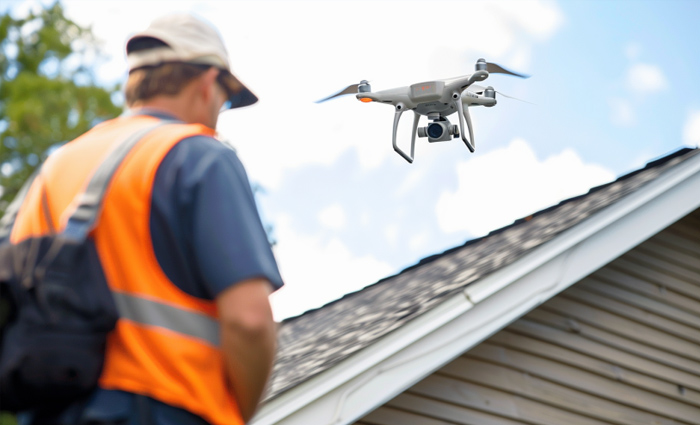
  • Drone inspections, which offer a bird’s eye view of your roof, capture detailed visual information from angles that might be inaccessible or unsafe for inspectors to reach by traditional means.
  • Thermal imaging can detect areas of heat loss or moisture intrusion in your roof.
  • Moisture meters can measure the moisture content of your roof to identify potential leaks or water damage.
  • Infrared cameras can detect areas of heat or energy loss in your roof.

These innovative inspections reduce the need for inspectors to physically traverse the entirety of the fiberglass shingle roof, which can be particularly beneficial for steep or complex roofing systems.

Infrared inspections are another leap forward in roofing technology. By detecting subtle temperature variations with thermal imaging, these inspections can uncover hidden damage, such as minor leaks and fissures, long before they become visible to the naked eye. Though they may come at a higher cost, the comprehensive view of your roof’s integrity that an infrared inspection provides can be invaluable in preventing future problems.

What Does a Roof Inspector Look For?

what does a roof inspector look at

When a professional roofer arrives to inspect your roof, they come with a checklist that covers the full spectrum of potential issues. They assess the structural integrity, ensuring that the overall structure, including rafters and trusses, is sound and capable of withstanding the rigors of the environment. They examine the condition of roofing materials, such as shingles and tiles, looking for any signs of wear, damage, or improper installation that could compromise the roof’s effectiveness. The inspection process is thorough, leaving no stone unturned to ensure that your roofing system is up to code, strong enough to keep water out, and well-ventilated.

Moreover, roof inspectors are on the lookout for missing or damaged materials and mistakes that might have been made during installation. Their expert eyes are trained to spot minor discrepancies that could lead to significant issues down the road, ensuring that homeowners are not left dealing with the fallout of a poorly installed or deteriorating roof.

Interior Evaluation

The interior roof inspection is as critical as the external examination when it comes to a roof inspection. Here, the inspector turns their attention to the attic, checking for:

  • Signs of movement or moisture penetration in the structural supports
  • Structural issues like cracked rafters or a sagging ceiling could indicate serious problems with the roof’s ability to bear weight.
  • Signs of rot, especially in the roof decking, could suggest that water has found its way in

Additionally, the inspector will be on the lookout for leaks, which might be evidenced by compromised roofing felt or membrane. They also assess the level of insulation and ventilation within the attic. These are crucial for maintaining the home’s energy efficiency and preventing issues like ice dams in colder climates. It’s a detailed process that offers final thoughts on the roof’s interior quality and structural integrity.

Exterior Scrutiny

Stepping outside, the inspector’s scrutiny shifts to the roof’s exterior components. This part of the inspection is vital and requires professional expertise to perform accurately. As the inspector methodically goes over the roof’s surface, they are vigilant for any signs of:

  • rot, which can be a red flag for more extensive underlying issues
  • wear and tear, such as loose or missing shingles
  • any cracked or split roofing materials that could jeopardize the roof’s integrity

The evaluation also includes looking for any other issues that may affect the roof’s performance and durability.

This exterior roof inspection is not just about identifying current problems; it’s about forecasting potential issues that could arise. By catching these early, homeowners can avoid the escalating costs and headaches associated with significant roof damage.

Steps to Take if Your Roof Fails Inspection

homeowner discussing roof inspection results with a professional roofer

Discovering that your brand-new roof has failed inspection can be a disheartening experience. However, there are clear steps to take to rectify the situation. Here are the steps you should follow:

  1. Contact the original roofing contractor who installed the roof.
  2. Present them with the inspection results and expect them to perform the necessary repairs or replacements, often at minimal or no extra cost, especially if they are responsible for the issues identified.
  3. Review your contractual agreement and warranty, as these documents will guide your next steps and protect your rights as a homeowner.

After completing any necessary repairs, insist on another roof inspection to ensure that all issues have been properly addressed. Should the contractor be uncooperative or dispute the need for repairs, don’t hesitate to seek legal advice or reach out to consumer protection organizations like the Better Business Bureau. It’s your right to demand quality work and to hold contractors accountable for the integrity of your roof.

Selecting the Right Roofing Contractor for Your Inspection

Selecting the right qualified roofing contractor for your inspection is a decision that should not be taken lightly. It’s imperative to look beyond glossy brochures and slick websites; instead, focus on the contractor’s track record. A contractor’s previous work and client feedback offer invaluable insights into their work ethic and quality. Local contractors also bring the advantage of familiarity with regional building codes and weather patterns, which can impact the inspection’s outcome.

When comparing contractors, it’s crucial not just to look at the price but to scrutinize the scope of services offered. Multiple estimates can help you discern the market rate and set your expectations for what a thorough inspection should encompass. Moreover, examine the estimates closely for thoroughness and transparency. Red flags to watch for include hidden fees or vague explanations of the services provided. Ensure there is clarity around what the inspection will cover and that the contractor is upfront about any additional costs that might arise.

Your home’s well-being depends on the quality of the inspection, so choose a reputable roofer who will deliver a comprehensive evaluation.

Qualifications of a Professional Roof Inspector

The qualifications of a professional roof inspector are non-negotiable. At the minimum, they should have:

  • a high school diploma
  • additional education (often favored by employers)
  • licensing or certification (required in most states)
  • experience in the roofing industry or a related educational background (such as a degree in engineering or architecture)

These qualifications ensure that inspectors have the necessary expertise to conduct a thorough inspection.

On-the-job training is also indispensable for a roof inspector. This training helps them stay abreast of current regulations, inspection methods, and the specifics of local building codes. When selecting an inspector, ask about their qualifications, experience level, and whether they receive ongoing training to keep up with industry standards.

Comparing Roof Inspection Costs

Understanding the cost implications of a professional roof inspection is essential for homeowners. The price of an inspection can vary significantly depending on the type of inspection conducted, with physical inspections generally falling between $200 and $400. Drone inspections offer a different price range and level of detail, with costs also influenced by the complexity of the roof’s design. Given their advanced technology and comprehensive results, infrared inspections tend to be on the higher end of the cost spectrum, often starting at $400.

homeowner evaluating inspection costs

However, it’s important to remember that the cost of an inspection is also influenced by the roof’s size, accessibility, and the inspector’s expertise and certification. When evaluating costs, homeowners should weigh the long-term benefits of a quality inspection against the initial expense. While it may be tempting to opt for the cheapest option, investing in a thorough inspection by a certified and experienced professional can save you from future costs and ensure the longevity of your brand-new roof.

Roof Inspection Summary

As we wrap up this comprehensive guide, it’s clear that the importance of a roof inspection post-installation cannot be overstated. Ensuring that your new roof is faultlessly installed and accessible from early issues not only protects your home from potential damage but also solidifies your investment. Professional roof inspections, be they physical, drone-assisted, or infrared, are indispensable tools in a homeowner’s arsenal, offering an in-depth look at the condition of a brand-new roof and peace of mind that it has been installed with expertise and care.

In closing, remember that the quality of your roof inspection is largely dependent on the qualifications and diligence of the roofing contractor you choose. Comparing costs, qualifications, and reviews will help you find a reputable roofer who can provide a thorough and honest evaluation. Although these steps may require time and effort, they will ensure the longevity and integrity of your roof, saving you from potential headaches and financial strain in the future.

Frequently Asked Questions

How often should I get my roof inspected?

It is recommended to have your roof inspected annually for preventative maintenance, especially in the fall, before the winter months, or before purchasing a new home to ensure everything is in top condition. Therefore, scheduling an annual inspection is advisable for maintaining the condition of your roof.

What’s the difference between a roof inspection and a maintenance check-up?

A roof inspection is a comprehensive evaluation conducted by a certified professional to identify potential issues, while a maintenance check-up is a routine assessment focusing on basic upkeep. Both are important for the overall health of your roof.

Can drone and infrared inspections replace the need for a physical roof inspection?

While drone and infrared inspections offer unique advantages, they are generally used to complement rather than replace a physical roof inspection. Combining methods ensures the most thorough evaluation of your roof’s condition.

What should I do if my roof fails an inspection after installation?

Contact the original roofing contractor for repairs or replacements as per your contractual agreement and warranty. Seek legal advice if necessary to ensure the issues are adequately addressed.

What qualifications should I look for in a professional roof inspector?

Look for a roof inspector with the proper licensing or certification, additional education in related fields, prior roofing experience, and ongoing training to ensure a thorough and expert inspection. These qualifications vary by state and should be carefully considered.

Roofing the Villages
(352) 293-2449

For the original version of this article visit: https://roofersthevillagesfl.com/roof-inspection-after-installation-101/

Tuesday, October 31, 2023

How to Choose a Roofing Contractor

A new roof is a significant investment, and knowing how to choose a roofing contractor can make all the difference in the quality and longevity of your new roof. In this comprehensive guide, we’ll walk you through the process of evaluating your roofing needs, researching potential contractors, comparing estimates, and communicating effectively to ensure a successful outcome. Let’s begin your journey to finding the best roofing contractor for your project.

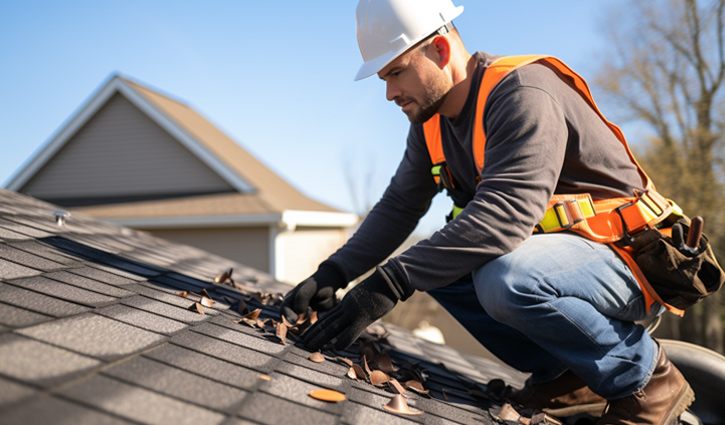
roofing contractor inspecting a roof

Key Takeaways

  • Understand your roofing needs and conditions before selecting a contractor.
  • Research contractors, assess materials & energy efficiency, and compare estimates/bids to get the best outcome.
  • Prepare home for the project, review the contract, and confirm insurance/permits prior to commencement.

Understanding Your Roofing Needs

Before you start your search for a roofing contractor, take the time to familiarize yourself with your roofing needs. This includes evaluating the current state of your roof, selecting the appropriate material, and considering energy efficiency for long-term benefits.

We’ll break down these aspects further to assist you in making an informed decision.

Assess the Condition of Your Roof

The first step in understanding your roofing needs is to determine if your roof requires roofing repairs or a complete replacement. If your roof is over two decades old, opting for a roof replacement project may be more cost-effective. However, always consult with multiple roofing contractors before making a decision. Additionally, be aware of any underlying issues that could impact the project, such as the presence of asbestos roofing, which could extend the duration and increase the cost.

When choosing a roofing contractor, consider both independent local roofing contractors and roofing companies. A roofing company typically excels in larger projects like replacements, offering cost savings, expedited completion, and guarantees. On the other hand, independent contractors often provide a single point of contact and may be more experienced in smaller projects like repairs.

Choose the Right Roofing Material

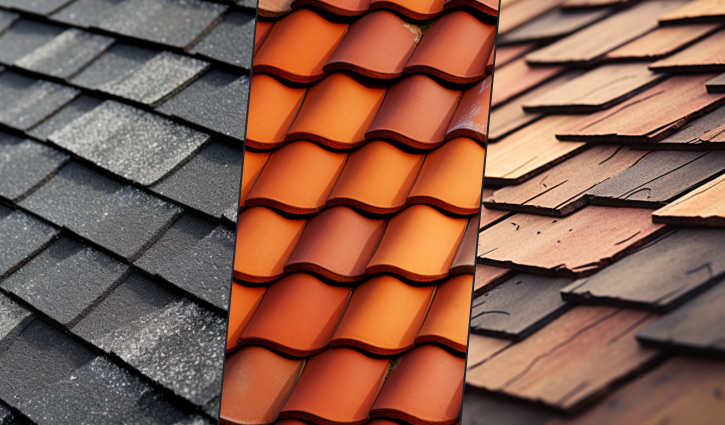
different roofing types and materials

Selecting a suitable roofing material significantly impacts the durability and aesthetics of your roof. Popular options include asphalt shingles and cedar shingles. Don’t forget to account for the materials beneath the shingles, such as the roof deck (if damaged), water shield, and underlayment, which will need to be replaced.

If you prefer a certain type of roofing, finding a specialist is crucial for the correct installation. Cost is another factor to consider: metal roofing is generally more expensive than asphalt shingles or tiles. Comparing multiple estimates will help you choose the most cost-effective option for your project.

Consider Energy Efficiency

Opting for energy-efficient roofing materials and insulation can reduce energy costs and improve your home’s overall performance. Energy-efficient roofing materials include:

  • Tile roofs (made from slate, clay, or concrete)
  • Metal roofs
  • Asphalt roofs
  • Slate shingles
  • Green roofs

Solar reflective roofing, designed to reflect sunlight and absorb less solar energy, contributes to energy efficiency by decreasing heat transfer into the building and reducing cooling costs.

In most areas, a building permit is necessary for all roofing, excluding repairs totaling less than 100 square feet. Ensuring permits are obtained and insurance coverage is in place can protect you and the contractor in case of accidents or damages.

Researching Potential Roofing Contractors

Once you’ve comprehended your roofing needs, begin your research to find prospective roofing contractors. Reading online reviews, requesting references, and verifying licenses and insurance are crucial to finding a reputable, experienced contractor.

We’ll examine these aspects further to guide you in making the ideal choice for your project.

Read Online Reviews

homeowner researching potential roofing contractors online

Online reviews offer invaluable insights into a contractor’s work, helping you make an informed decision. Consult websites such as:

  • Google
  • Yelp
  • HomeAdvisor
  • Angie’s List
  • Better Business Bureau
  • GuildQuality

To gather unbiased opinions. Keep in mind the overall rating, read multiple reviews, consider the number of reviews, look for specific details, check for consistency, and consider the credibility of the review source.

Remember that when looking at contractor reviews:

  • Higher ratings generally indicate better service and customer satisfaction
  • A larger number of reviews can provide a more accurate representation of a contractor’s work
  • Focus on comments about the high quality of work, professionalism, communication, timeliness, and any resolved issues.

Ask for References

Requesting a list of previous clients from potential contractors allows you to evaluate their work quality and professionalism. Aim for at least three references from prior clients. Ask these clients about the contractor’s ability to fulfill the job to their satisfaction, their punctuality, and how they managed any delays that may have occurred.

Also, consider asking for references from projects that the contractor has completed in the past 3-6 months to gauge their current work quality. It is important to request references from a contractor. If they refuse to provide them, you should take it as a sign that another contractor may be a better choice.

Verify Licenses and Insurance

Ensuring that your roofing contractor has the necessary licenses and insurance coverage is essential to protect both parties in case of accidents or damages. State credentials, insurance, and industry credentials are necessary credentials a roofing contractor should possess in the roofing industry.

General liability insurance protects your home if the contractor causes damage during the project, while workers’ compensation insurance covers injuries to workers on the job. Verify these coverages before work begins to safeguard your investment and avoid potential liability issues.

Comparing Estimates and Bids

Following your contractor research, proceed to compare estimates and bids. This involves analyzing price structures, examining provided services, and studying warranties to make a well-informed decision. We’ll dissect these factors further to guide you in selecting and hiring the right contractor for your project.

Analyze Price Breakdowns

Cross-checking estimates from various contractors is crucial in identifying the most affordable solution for your roofing project. Focus on the cost of materials, labor, and additional services. Labor costs in roofing projects can be estimated by multiplying the project’s total square footage by the labor rate per square foot or summing the hourly rates of the workers involved.

homeowner comparing estimates and bids from multiple roofing contractors

Take note of any discrepancies in the line items on each estimate, and ensure that the same information is present, regardless of the brand or manufacturer. This will help you choose a contractor that offers quality materials and workmanship at a reasonable price.

Evaluate Services Offered

Beyond price analysis, reviewing the variety of services each contractor provides is necessary. A roofing contractor should offer services such as:

  • Roof Inspection
  • Repairs
  • Restoration
  • Replacement
  • Installation
  • Cleaning

Some contractors may also offer additional services like gutter installation, siding repair, or window replacement, providing a comprehensive solution for their clients’ home improvement and roof repairs.

By considering the range of services offered by local roofing companies, you can select the best, well-equipped contractor to handle your good roofing project and any additional needs that may arise during the process. To ensure a successful outcome, choosing a good roofing contractor with a proven track record of delivering high-quality work is crucial. Among the reputable roofing contractors in your area, make sure to select the one that aligns with your specific needs and requirements.

Review Warranties

Finally, examining the workmanship and material warranties offered by each contractor is crucial to ensure long-term protection for your investment. Workmanship warranties cover the cost of labor and materials required to make essential repairs in the event of contractor installation errors or improper installation. Material warranties, on the other hand, cover defects in the roofing materials themselves but typically do not cover issues caused by improper installation.

By reviewing warranties, you can make an informed decision and select a contractor that offers comprehensive coverage for both workmanship and materials, safeguarding your investment and ensuring the long-term security of your roof.

Communicating with Roofing Contractors

Effective communication is key to ensuring a successful roofing project. Discussing project details, addressing concerns and questions, and monitoring progress are all essential aspects of the communication process. Let’s dive into these factors to guarantee a smooth and satisfactory outcome.

Discuss Project Details

Clearly communicating your expectations, timeline, and budget with the roofing contractor is vital to avoid misunderstandings. Provide the contractor with as much information as possible about any roofing issues, previous repairs, or damage, and arrange an appointment for them to assess your roof if necessary.

Ensure that you have a clear understanding of the project’s scope, including:

  • the materials to be used
  • labor costs
  • cleanup and disposal of debris
  • warranty information
  • payment terms
  • project timeline

Discussing these details upfront will help ensure that both you and the contractor are on the same page and can avoid potential issues down the line.

Address Concerns and Questions

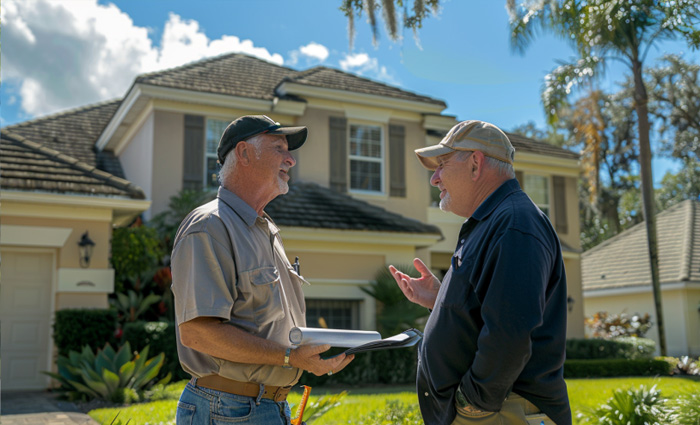
Don’t hesitate to ask the contractor about their experience, safety measures, and potential challenges they may face during the project. Inquiring about their qualifications, insurance coverage, and any complaints they have had from previous clients can provide valuable insights into their professionalism and reliability. Make sure to prepare a list of important questions to ask before starting the conversation.

homeowner communicating with a roofing contractor

By addressing your concerns and questions, you can ensure that the contractor is well-equipped to handle your project and prioritize customer satisfaction. This will also help you build trust and develop a strong working relationship with the contractor, ultimately leading to a better outcome for your roofing project.

Finalizing the Contract and Preparing for the Project

Before commencing the work, a few last steps are required, such as contract review, insurance and permit confirmation, and home preparation for the roofing job. We’ll walk through these steps to guarantee your readiness for the project.

Review the Contract

Thoroughly read and understand the contract, ensuring it includes all necessary details, such as payment terms, materials, and project timeline. This will help you avoid any misunderstandings or unexpected changes during the project. If you have any questions or concerns about the contract, don’t hesitate to discuss them with the contractor to ensure that both parties agree on the terms and conditions.

By reviewing the contract carefully, you can ensure that all agreements, changes, and discussions with the contractor are documented, preventing misunderstandings and providing a reference point should any issues arise during the project.

Confirm Insurance and Permits

Before the project starts, ensure the contractor has secured the necessary permits and insurance coverage. Confirming this information is crucial to protect both you and the contractor in case of accidents or damages. If the contractor recommends forgoing permits, consider looking for another contractor, as this could lead to potential issues down the line.

Ensuring that the contractor has the proper insurance coverage, such as general liability and workers’ compensation insurance, will safeguard your investment and prevent potential liability issues should any accidents occur during the project.

Prepare Your Home for Roofing Work

Before starting the roofing job, perform the required preparations for your home and its vicinity. Clear any debris, furniture, or other items from the area surrounding the roof to facilitate the roofing work. Cover outdoor furniture, plants, or other items that could be affected by the roofing process.

Informing your neighbors about the upcoming roofing work is a courteous gesture and can help maintain good relations with those living nearby. By taking these steps, you can ensure a smoother and more efficient roofing process, leading to a successful outcome for your project.

Monitor Progress and Provide Feedback

Staying involved throughout the project and providing feedback is essential for a successful outcome. Here are some steps to follow:

  1. Familiarize yourself with the job scope and monitor the contractor’s progress to ensure they are adhering to the project requirements.
  2. Maintain regular communication with the contractor to address any potential issues.
  3. Provide feedback on their work as needed.

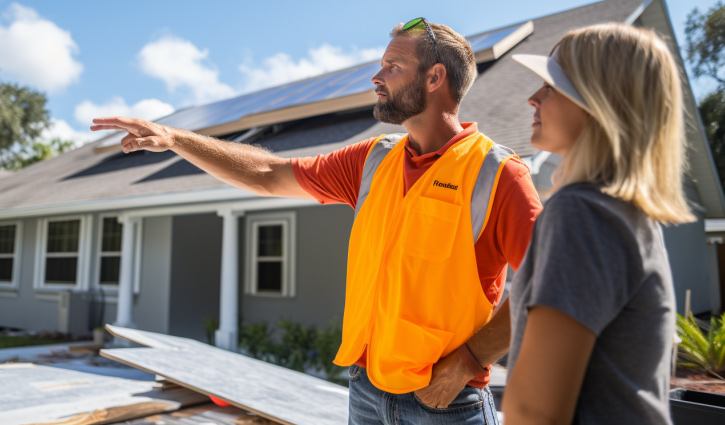
roof replacement job and how to choose a roofing contractor

Taking an active role in the project and addressing any concerns promptly and clearly will help ensure that the contractor delivers quality workmanship and meets your expectations. By maintaining open lines of communication, you can address any issues that may arise and guarantee a smooth and satisfactory conclusion to your roofing project.

Summary

Choosing the right roofing contractor is essential for a successful roof replacement or repair project. By understanding your roofing needs, researching potential contractors, comparing estimates and bids, effectively communicating with the contractor, and finalizing the contract and preparations, you’ll be well-prepared to make an informed decision. By hiring the right contractor and having a clear plan in place, you can enjoy a high-quality and long-lasting roof that will protect your home for years to come.

Frequently Asked Questions

How do I pick a roofer in Florida?

To pick a quality roofer in Florida, check for their licenses and insurance coverage and read reviews and references. Avoid out-of-town doorknockers and storm chasers, and make sure the roofers practice safety on your roof. Ask about unplanned repairs and materials, and get multiple price quotes.

Who is the best roofing company in the United States?

The determination of the “best” roofing company can vary depending on specific criteria, such as location, the type of roofing services needed, customer reviews, and other factors.

What is the best part of being a roofer?

As a roofer, you can enjoy the variety of work sites, make a living wage, pick up new technical skills, and even enjoy working outside seasonally – making the best part of being a roofer the potential for professional growth in an ever-growing industry.

How to choose a roofer?

When choosing a roofer, consider local contractors, read reviews, compare estimates, and review references to see previous work for quality assurance.

How do I determine if my roof needs repair or replacement?

To determine if your roof needs repair or replacement, consult with roofing contractors to evaluate the condition and follow their recommendations.

Roofing the Villages
(404) 220-9288

For the original version of this article visit: roofersthevillagesfl.com/how-to-choose-a-roofing-contractor/

Roof Types for Insurance

Your roof does more than keep the rain out. For insurance companies, it’s one of the first things they evaluate when deciding how much to ch...