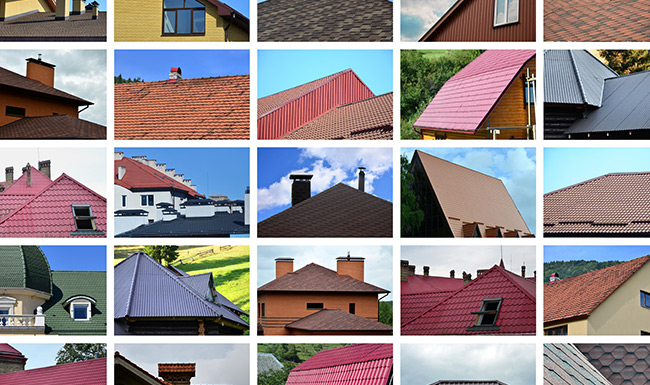
Replacing a roof represents one of the most significant home maintenance investments many homeowners will face, typically costing $10,000 to $30,000 or more. The decision of when to replace your roof can significantly impact both your family’s safety and your long-term financial well-being. Understanding the warning signs, timing considerations, and assessment process helps you make an informed decision that protects your home and maximizes your investment.
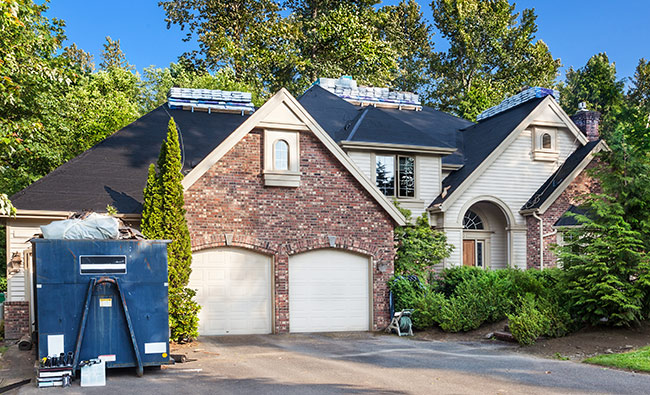
This comprehensive guide covers everything you need to know about roof replacement timing, from recognizing critical warning signs to planning your budget and selecting the right roofing contractor for your project.
When You Should Replace Your Roof
The timing for roof replacement depends heavily on your roofing material and several key factors that affect the roof’s life expectancy. Different materials have dramatically different lifespans, and knowing your roof’s expected lifespan helps you plan for replacement before emergencies arise.
Material-Specific Replacement Timelines:
- Asphalt shingle roof systems should be replaced after 15-25 years of service, though many begin showing significant wear around the 15 year mark
- Metal roof installations typically need replacement after 30-70 years, depending on the coating quality and environmental conditions.
- Clay tile and slate roofs can last 50-100 years before requiring complete replacement, though underlayment may need attention sooner.
- Wood shakes and shingles generally require replacement every 20-40 years, with higher replacement frequency in moisture-prone or wildfire-risk areas.
Immediate Replacement Triggers:
Regardless of age, certain conditions demand immediate action. Replace your roof immediately if you have persistent leaks that persist despite repairs, major storm damage that affects structural integrity, or widespread shingle failure affecting more than 30% of the roof surface.
Consider replacement when repair costs exceed 30% of the cost of a new roof. At this point, investing in a complete roof replacement often provides better long-term value than continued piecemeal repairs that may fail again within a few years.
Age-Related Replacement Guidelines
Tracking your roof’s age provides crucial information for replacement planning. Many homeowners don’t know when their roof was installed, which makes timing decisions more difficult and can lead to emergency replacements that cost significantly more than planned projects.
Age Tracking and Planning:
Track your roof’s installation date to plan for timely replacement. If you don’t know when your roof was installed, check home inspection reports, previous owner records, or have a roofing professional estimate the age based on material condition and installation techniques.
Roofs older than 15 years should undergo annual professional inspections to monitor condition and identify emerging issues. This proactive approach helps you plan replacement timing and budget accordingly, rather than facing surprise emergency costs.
Proactive Replacement Planning:
Consider replacing your roof if it is within 5 years of its expected lifespan, especially if you notice any warning signs of deterioration. This timing allows you to schedule work during optimal seasons and compare multiple roofing contractor estimates without time pressure.
Poor installation or ventilation can reduce lifespan by 5-10 years. If your roof shows signs of premature aging, such as excessive granule loss or shingles curling before typical age thresholds, investigate whether ventilation improvements or installation issues contributed to accelerated wear.
Regional Considerations:
Neighborhoods built in the 1990s-2000s are entering prime replacement years for their original asphalt shingle systems. Many of these communities used similar materials and installation techniques so that multiple homes may need roof replacements around the same time. This creates both opportunities for neighborhood contractor discounts and potential scheduling challenges during peak demand periods.
Critical Warning Signs Requiring Immediate Replacement
Recognizing roof failure warning signs helps you distinguish between minor maintenance needs and situations requiring complete replacement. These indicators often occur in combination, and the severity and extent of damage determine whether repair or replacement is the better option.
Exterior Damage Indicators
Shingle Deterioration Patterns:
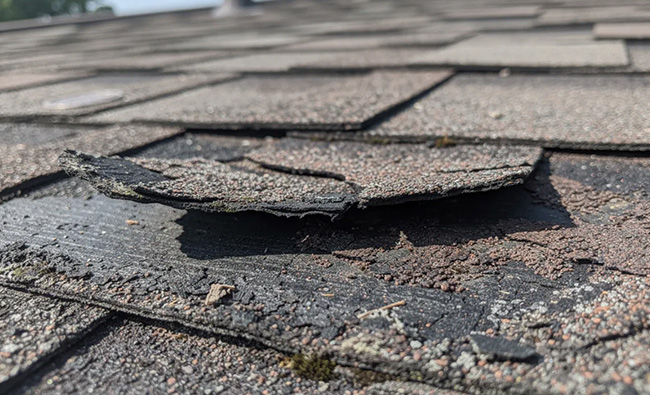
Curling, cracking, or missing shingles covering more than 30% of your roof surface indicates systemic failure and requires replacement rather than spot repairs. Curled shingle edges allow water infiltration and accelerate damage to the underlayment and roof deck.
Cracked shingles often result from age-related brittleness and UV exposure. While individual cracked shingles can be replaced, widespread cracking across large roof sections signals that the entire roof system has reached the end of its functional life.
Granule Loss Assessment:
Extensive granule loss visible in gutters after storms or routine maintenance indicates advanced shingle deterioration. Granules protect the underlying asphalt from UV damage and impact, so their loss accelerates further deterioration and reduces weather resistance.
Check your gutters and downspouts regularly for accumulations of granular material that resembles coarse sand. Heavy granule deposits, especially in newer sections of the roof, may indicate manufacturing defects or installation issues requiring professional assessment.
Structural and Surface Issues:
Sagging rooflines or visible structural deformation pose urgent safety hazards that require immediate professional evaluation. Sagging often indicates moisture damage to the roof deck, undersized structural supports, or settlement affecting the building’s framework.
Moss coverage on more than half the roof surface, particularly thick moss growth, traps moisture against shingles and accelerates decay. While moss can sometimes be removed, extensive growth often indicates poor drainage or ventilation, which can contribute to premature roof failure.
Flashing and Penetration Problems:
Damaged or missing flashing around chimneys and vents creates entry points for water infiltration that can cause extensive hidden damage. Metal flashing deteriorates over time, and rubber boots around penetrations crack due to UV exposure and temperature fluctuations.
Multiple layers of shingles from previous roof-overs create weight stress and make inspection of underlying conditions impossible. Building codes typically limit roof layers to two, and multiple layers often hide deck damage or ventilation problems that compromise the entire roof system.
Interior Signs of Roof Failure
Water Damage Evidence:
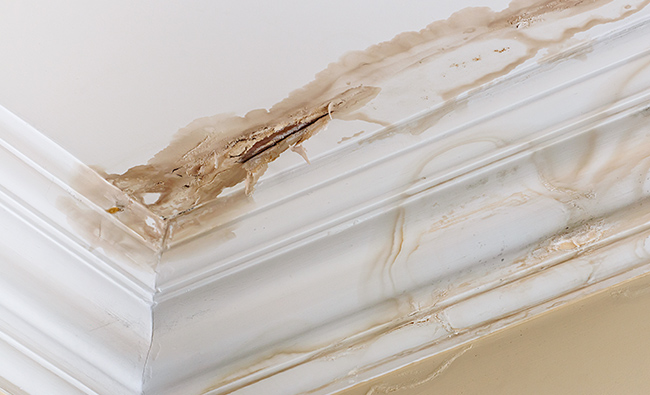
Water stains on ceilings or walls that keep growing indicate active leaks requiring immediate attention. Even small stains may represent significant hidden damage to insulation, framing, and other structural components that aren’t immediately visible.
The location and pattern of water stains help identify leak sources, but water can travel considerable distances from entry points before appearing on interior surfaces. Professional assessment helps determine whether localized repairs can address the problem or whether widespread damage requires complete replacement.
Attic Inspection Findings:
Daylight visible through roof boards in the attic indicates gaps, deteriorated materials, or structural damage that compromises weather protection. These openings also allow pests and moisture infiltration that can cause additional damage to stored items and building systems.
Musty odors indicating mold growth from moisture suggest long-term water infiltration that may have compromised insulation, framing, and other hidden building components. Mold remediation adds high cost to any roof replacement project, making early detection and action financially necessary.
Energy Performance Changes:
Sudden increases in energy bills due to air leaks often result from compromised roof systems that allow conditioned air to escape and outside air to infiltrate. Poor attic insulation performance from moisture damage reduces energy efficiency and increases heating and cooling costs.
Peeling paint or wallpaper near the roofline may indicate moisture problems or temperature fluctuations caused by roof system failures. These symptoms often accompany other warning signs and help confirm that roof replacement addresses underlying moisture and insulation issues.
Storm Damage Assessment
Severe weather events can instantly transform a serviceable roof into one requiring immediate replacement. Proper post-storm assessment protects your safety and ensures you don’t miss insurance coverage opportunities for legitimate damage claims.
Immediate Post-Storm Actions:
Inspect your roof within 72 hours after hailstorms or high winds, but prioritize safety over speed. Use binoculars to examine roof surfaces from the ground, and only climb onto roofs if you have proper safety equipment and experience.
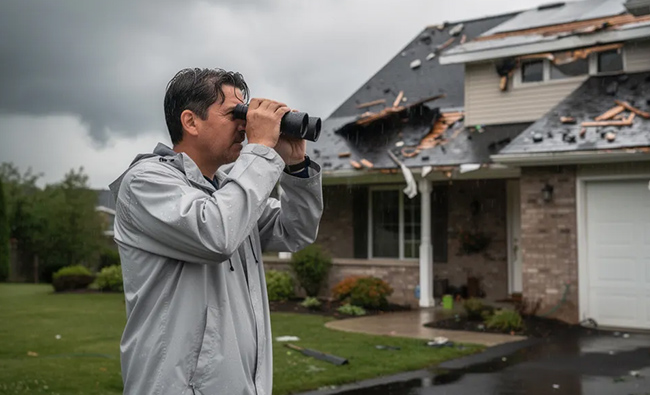
Look for dime-sized or larger hail damage marks on shingles, which appear as dark spots where impact has dislodged granules or created small depressions. Wind damage often appears as lifted, torn, or completely missing shingles, particularly along roof edges and ridge lines where uplift forces are strongest.
Damage Documentation Process:
Document missing shingles or exposed roof decking with photographs from multiple angles, including close-ups that show the extent of damage and wide shots that provide context. This documentation supports insurance claims and helps roofing contractors provide accurate replacement estimates.
Check for damage to gutters, downspouts, and roof vents, as these components are often impacted by severe weather. Damaged gutters may indicate that the roof received a significant impact that isn’t immediately visible from ground level.
Insurance and Professional Assessment:
Contact your insurance company within 30 days of storm damage to report potential claims and schedule adjuster inspections. Many insurance companies have specific timeframes for reporting weather-related damage, and delayed reporting can complicate claims processing.
Schedule a professional inspection even if the damage appears minor from your initial assessment. Trained roofing professionals can identify subtle damage that may not be obvious to homeowners but could lead to future leaks or accelerated deterioration if left unaddressed.
Storm damage often provides an opportunity to upgrade your entire roof system with insurance coverage, particularly when widespread damage affects multiple roof components or when existing materials don’t meet current building codes for wind or impact resistance.
Best Timing for Roof Replacement
Strategic timing for roof replacement can significantly impact project costs, quality, and convenience. Weather conditions, contractor availability, and seasonal demand all influence both pricing and installation quality.
Optimal Seasonal Windows:
Plan replacement during late spring (April-May) or early fall (September-October) when weather conditions provide consistent working days and moderate temperatures that don’t stress workers or materials. These seasons typically offer the best balance of favorable weather and reasonable contractor availability.
Avoid peak summer heat and winter weather delays when possible. Extreme heat makes working conditions dangerous and can affect material performance during installation. Winter weather creates safety hazards and may require special installation techniques that increase costs and project duration.
Scheduling and Planning Considerations:
Schedule your roof replacement 2-3 months in advance during optimal seasons to ensure contractor availability and avoid rushed installations. Popular roofing contractors often book several months in advance during peak seasons, so advance planning lets you choose the best contractor rather than settle for whoever has immediate availability.
Emergency replacements can be done year-round with proper precautions, but expect higher costs and potential delays during adverse weather conditions. Emergency work often requires temporary weather protection and specialized techniques that increase labor costs and material requirements.
Cost and Availability Factors:
Consider off-season discounts during winter months in moderate climates where installation remains feasible. Some contractors offer reduced rates during slower periods, though you must balance potential savings against weather-related installation risks.
Extreme weather events can trigger sudden demand spikes that strain contractor availability and drive up material costs. Major storms affecting large areas often lead to contractor shortages and price increases that can persist for months after the initial damage.
Regional factors also influence optimal timing. In New England and other northern climates, fall completion ensures protection before winter weather, while southern regions may find winter installation more feasible due to milder conditions.
Professional Assessment Guidelines
Selecting qualified roofing professionals and obtaining thorough assessments helps ensure accurate diagnoses of roof conditions and appropriate replacement recommendations. The assessment process helps you understand your options and make informed decisions about timing and materials.
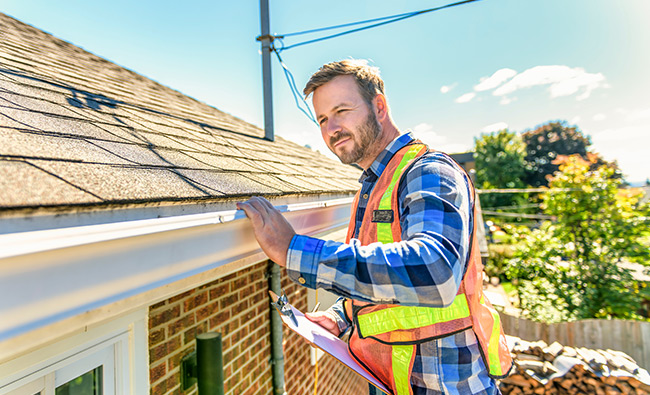
Inspection Scheduling and Frequency:
Get roof inspections every 2-3 years after your roof reaches 10 years of age to monitor condition changes and identify emerging issues before they become expensive problems. Regular maintenance inspections cost far less than emergency repairs and help you plan replacement timing.
Schedule inspections during dry weather to ensure accurate assessments of roof condition. Wet conditions can mask some damage indicators and create safety hazards that prevent thorough examination of roof surfaces and attic spaces.
Consider additional inspections after major storms, even if no apparent damage is visible from ground level. Professional inspectors have experience identifying subtle damage that may not be apparent to homeowners but could lead to future problems if unaddressed.
Contractor Selection Process:
Obtain three written estimates from licensed roofing contractors to compare pricing, materials, and installation approaches. Multiple estimates help you understand market pricing and identify contractors who provide thorough assessments versus those who offer quick quotes without detailed examination.
Request detailed material specifications and warranty information for both materials and workmanship. Quality contractors provide specific product information, installation methods, and clear warranty terms that protect your investment for years after installation.
Verify contractor licensing, insurance, and Better Business Bureau ratings before scheduling estimates. Licensed contractors must meet minimum competency requirements, and proper insurance protects you from liability for workplace accidents during your project.
Red Flags and Best Practices:
Avoid door-to-door contractors who appear after storms and may pressure you into quick decisions or demand large upfront payments. Legitimate contractors typically schedule appointments and provide written estimates without high-pressure sales tactics.
Be cautious of estimates that vary dramatically from others, either significantly higher or lower. Extremely low estimates may indicate corner-cutting or hidden costs, while unusually high estimates may suggest unnecessary work or premium pricing without corresponding value.
Quality roofing contractors should climb onto your roof or use drones/ladders to examine conditions rather than providing estimates based solely on ground-level observations. Thorough assessment requires close examination of shingle condition, flashing details, and ventilation systems.
Financial Planning for Roof Replacement
Understanding roof replacement costs and planning financing helps you avoid emergency situations that limit your options and potentially increase expenses. Early financial planning also allows you to take advantage of optimal timing and contractor selection opportunities.
Cost Expectations and Budgeting:
Budget $10,000-$30,000 for typical asphalt shingle replacement on average-sized homes, though costs vary significantly based on roof size, complexity, accessibility, and local labor rates. Simple ranch-style homes typically fall toward the lower end of this range, while multi-story homes with complex rooflines require higher budgets.
Premium materials such as metal or slate cost $25,000-$50,000 or more but offer a longer service life and may provide better energy efficiency, which can offset higher upfront costs over time. Consider lifecycle costs, not just initial installation expenses, when comparing material options.
Regional cost variations can be substantial, with areas experiencing high demand from recent storm damage or rapid growth commanding premium pricing. Urban areas with higher labor costs and stricter building codes may also increase project expenses compared to rural locations.

Proactive Planning Strategies:
Start saving when your roof reaches 15 years old to avoid financial stress when replacement becomes necessary. Setting aside $100-200 per month starting at the 15-year mark typically accumulates sufficient funds for replacement by the time your roof approaches the end of its life.
Regular maintenance can extend roof life and delay replacement costs, but don’t continue spending significant money on repairs once your roof approaches 20 years of age. At that point, repair funds are often better invested in replacement planning.
Financing and Incentive Options:
Explore financing options, including home equity loans, personal loans, or contractor financing programs, to spread replacement costs over time. Home equity loans often provide the lowest interest rates, though they use your home as collateral for the loan amount.
Check for manufacturer rebates and energy-efficiency tax credits that may apply to your roof-replacement project. Some utility companies also offer rebates for energy-efficient roofing materials that reduce cooling costs in hot climates.
Insurance Considerations:
Compare insurance deductibles versus out-of-pocket replacement costs to understand your potential exposure from storm damage. Higher deductibles reduce premiums but increase your out-of-pocket expenses if damage occurs before the planned replacement.
Many homeowners find that proactive replacement eliminates uncertainty about insurance coverage and prevents disputes over whether damage resulted from wear and tear or from covered weather events. Insurance companies increasingly scrutinize claims on older roofs and may limit coverage based on roof age and condition.
Understanding your home insurance policy’s roof-replacement coverage helps you plan the timing and potentially coordinate the replacement with covered damage to maximize insurance benefits while ensuring adequate protection for your home and family.
Replacing Your Roof Conclusion
Knowing when to replace your roof requires careful consideration of age, condition, and warning signs that indicate your home’s protection is compromised. The key factors include material-specific lifespans, visible deterioration indicators, storm-damage assessments, and financial planning that enables proactive rather than reactive replacement decisions.
Most asphalt shingle roofs require replacement every 15 to 25 years, while premium materials such as metal or slate offer much longer service life. However, age alone doesn’t determine replacement timing – you must also evaluate warning signs like missing shingles, granule loss, water stains, and structural issues that indicate immediate attention is needed.
Professional assessments from qualified roofing contractors provide the expert evaluation needed to make informed decisions about repair versus replacement. Regular inspections, proper documentation of any storm damage, and advance planning for seasonal scheduling help ensure your roof replacement project proceeds smoothly and provides maximum value for your investment.
If your roof shows any of the warning signs discussed in this guide, schedule a professional inspection to assess its condition and plan your next steps. Taking action before emergency situations arise protects both your family’s safety and your long-term financial interests while ensuring you have time to make the best decisions for your home’s protection.
(352) 293-2449
For the original version of this article visit: https://roofersthevillagesfl.com/when-to-replace-your-roof/