Showing posts with label Roof Inspection. Show all posts

Friday, August 30, 2024

Your Roof Warranty Explained

Confused about your roof warranty? A roof warranty can save you from future repair costs. It generally covers defective materials and shoddy installation. This article will explain the different types of roof warranties, their coverage duration, and how transferable they are.
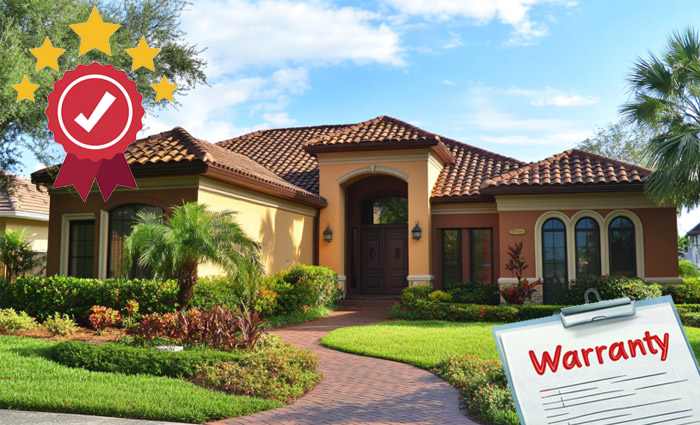
understand your roof warranty

Key Takeaways

  • Roof warranties protect homeowners from financial losses due to defective materials or installation errors, consisting of manufacturer or contractor warranties.
  • Warranties differ in coverage duration, with manufacturer warranties often lasting 20-30 years and contractor workmanship warranties ranging from 2-10 years.
  • Transferable roof warranties add value during property sales, but strict guidelines must be followed for transfer, including timely notification and proper documentation.

What is a Roof Warranty?

A roof warranty protects against financial losses from defective materials or installation errors. It is a commitment from the manufacturer or contractor to address specific issues with your roof, providing homeowners peace of mind and minimizing unexpected expenses.

Roof warranties generally fall into two categories: manufacturer warranties and contractor workmanship warranties. Manufacturer warranties assure the quality and durability of roofing materials, while contractor warranties focus on the quality of installation. Combined, they offer comprehensive protection for both roofing warranties and craftsmanship.

Types of Roof Warranties

Roof warranties vary widely, offering different levels of protection. The main types include manufacturer warranties, contractor workmanship warranties, and extended warranties.

Each warranty type serves unique purposes, from covering material defects and installation errors to offering extended coverage for additional peace of mind.

Manufacturer Warranties (Materials)

Manufacturer warranties assure that roofing products perform as advertised, typically covering material defects and failures. For instance, roofing shingles often come with a basic lifetime warranty covering defects for as long as you own your home.

Initially, these warranties often provide full coverage for defective shingles, transitioning to prorated coverage over time. Some manufacturers offer extended warranties, further protecting against installation errors and ensuring coverage of non-prorated materials.

Workmanship Warranties (Contractor)

Contractor workmanship warranties, provided by the roofing contractor, ensure proper roof installation. They cover labor, installation costs, and repairs for damages due to installation errors, guaranteeing the quality of the roofing contractor’s workmanship warranty.

However, these warranties usually exclude issues unrelated to installation workmanship and vary in duration, with some offering lifetime coverage and others lasting only a few years.

Having these warranties in writing, clearly outlining coverage and options for negotiation or extension, is essential.

Extended Warranties (Complete)

Extended warranties provide additional protection beyond standard manufacturer or contractor warranties. Though often available at an extra cost, they cover a broader range of issues, offering homeowners more comprehensive protection, including optional extended warranty coverage.

For instance, companies like Owens Corning offer extended warranties under specific conditions for certain products.

While some homeowners might see extended warranties as unnecessary, they can provide significant peace of mind by offering more extensive coverage than standard policies, often costing up to $3,000, depending on the coverage and provider.
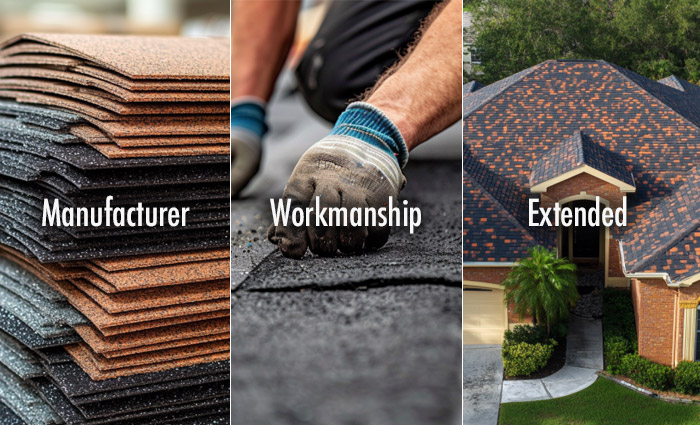
different types of roof warranties

Coverage Details of Roof Warranties

Roof warranties often cover both materials and installation, though specifics vary widely. Standard manufacturer warranties typically cover only defective materials, leaving homeowners responsible for removal and disposal costs.

Fully understanding your warranty coverage, including exclusions and limitations, helps avoid unpleasant surprises.

Material Defects

Manufacturer warranties typically cover material defects, ensuring replacement costs are covered if roofing materials fail due to manufacturing issues. For example, warranties on asphalt shingles often cover wind damage, algae staining, mildew, mold, and tearing.

However, most roofing materials fail due to improper installation rather than inherent defects. This emphasizes the importance of hiring a qualified roofing company to ensure correct installation and maintain the validity of your warranty.

Installation Errors

Installation errors significantly impact warranty coverage. Manufacturer warranties typically do not cover installation errors, but contractor workmanship warranties do. Improper installation can void a manufacturer’s warranty, underlining the importance of correct installation and proper maintenance.

Correct installation techniques are essential to maintain the validity of roof warranties. Homeowners should ensure their contractor follows best practices to prevent issues that could void the warranty.

Exclusions (Severe Weather, Installation, Maintenance)

Exclusions in roof warranties often include damages from severe weather events like hail or heavy snowfall and issues from lack of maintenance. Regular upkeep is necessary to keep your warranty valid.

Manufacturer warranties typically cover only the roof surface and base flashing, excluding leaks from other components. Damages due to improper installation or maintenance are also commonly excluded. Understanding these exclusions helps homeowners know what to expect and how to maintain their roofs properly.

Duration of Roof Warranties

Roof warranty durations can vary widely. Manufacturer warranties for roofing materials typically surpass 25 years, with some extending up to 50 years, depending on factors like the roofing system type and local weather conditions.

Standard Warranty Periods

Roofing material warranties usually range from 25 to 30 years, with some extending up to 50 years. Contractor workmanship warranties can vary widely, lasting from 2 to 10 years, with some extending up to 25 years in unique situations.

Extended Warranty Periods

Extended warranties offer longer coverage periods compared to standard warranties. An extended warranty enhances protection against future roofing issues, providing homeowners greater peace of mind.

Transferability of Roof Warranties
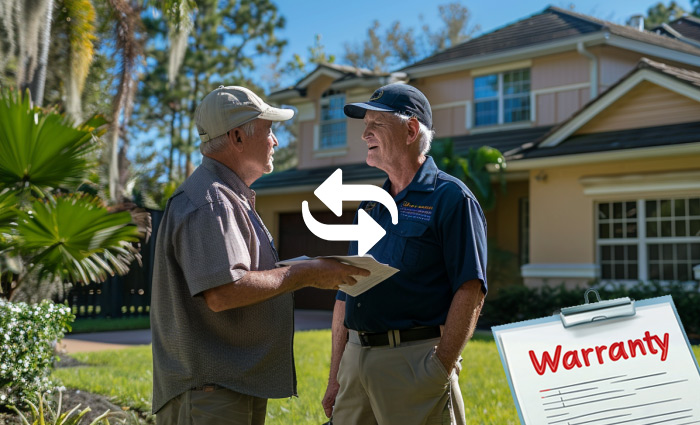
transferability of a roof warranty

Transferable roof warranties are valuable for homeowners, especially when selling a property. Most manufacturer warranties can be transferred only once, offering flexibility for the new homeowners.

However, if the second owner sells the property, often the warranty may not be transferable again.

Transfer Process

The transfer process requires notifying both the roofing contractor and manufacturer when homeownership changes. This must be done within a specific timeframe after the sale, often requiring documentation like proof of ownership, installation date, and proof of purchase.

Strict guidelines must be followed for a proper warranty transfer. Some manufacturers may charge an administrative fee, and successful transfer depends on knowing and adhering to these guidelines and timeframes.

Benefits of Transferable Warranties

Transferable warranties add significant value during property sales by allowing homeowners to pass warranty rights to new buyers. This feature enhances the property’s appeal and reassures both parties in real estate transactions.

These warranties ensure new homeowners benefit from the previous owner’s warranty protection, offering coverage for any issues that may arise and adding an extra layer of security.

Maintaining Your Roof Warranty

Maintaining your roof warranty is essential for continuous protection. Key steps include regular inspections, proper registration, and working with certified contractors to avoid voiding the warranty.

Regular Inspections
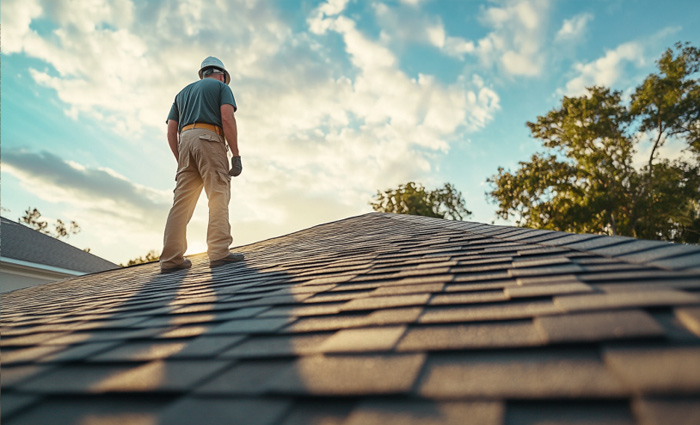
roofing inspections by The Villages roofing contractor

Regular roof inspections help catch potential issues early, maintaining your roof’s longevity and integrity. Identifying problems before they escalate allows for prompt addressing, ensuring your warranty coverage remains intact.

Proper registration of your roof warranty with the manufacturer or contractor is necessary to activate and maintain your coverage. Ensure certified contractors perform all repairs and maintenance to avoid voiding your warranty.

Proper Registration

Registering your roof warranty ensures manufacturers are aware of warranty acceptance. Activation requires registration with the manufacturer or contractor within a set timeframe after purchase. Failing to register correctly could result in losing coverage when filing a claim.

A standard roofing warranty combines manufacturer warranties for materials and contractor warranties for workmanship.

Working with Certified Contractors

To ensure your roof qualifies for extended warranties, homeowners must make sure it is installed by approved certified contractors using complete roofing systems. Only certified contractors can uphold warranty terms during installation or repairs. Using unapproved contractors can void your roof warranty, so working with authorized professionals is essential.

Failure to maintain the roof properly and using unauthorized contractors can void your warranty. Hiring a different contractor or attempting DIY repairs can also void a workmanship warranty.

Select a manufacturer approved and certified contractor for installation to maintain roof warranty coverage, and stay with the original contractor for any changes or repairs to ensure the warranty remains active.

Roof Warranty Summary

Understanding your roof warranty is essential for protecting your home and investment. Roof warranties, whether they cover materials or workmanship, provide peace of mind by ensuring that you are not financially burdened by unexpected roof issues. Manufacturer warranties guarantee the quality of roofing materials, while contractor workmanship warranties assure the quality of the installation. Extended warranties offer additional protection, often covering more than standard policies.

Maintaining your roof warranty involves regular inspections, proper registration, and working with certified contractors. These steps are critical to ensure that your warranty remains valid and effective. Transferable warranties add value to your property and provide reassurance to buyers and new homeowners. By understanding the coverage, duration, and transferability of your roof warranty, you can make informed decisions and protect your home for years to come.

Roofing the Villages
(352) 293-2449

For the original version of this article visit: https://roofersthevillagesfl.com/your-roof-warranty-explained/

Friday, April 26, 2024

Roof Inspection After Installation 101

Have you recently installed a new roof? A prompt roof inspection after installation is invaluable. It serves as a critical check to avoid future repairs, ensuring your roof is dependable from day one. It’s a practical approach to protect your home and wallet.

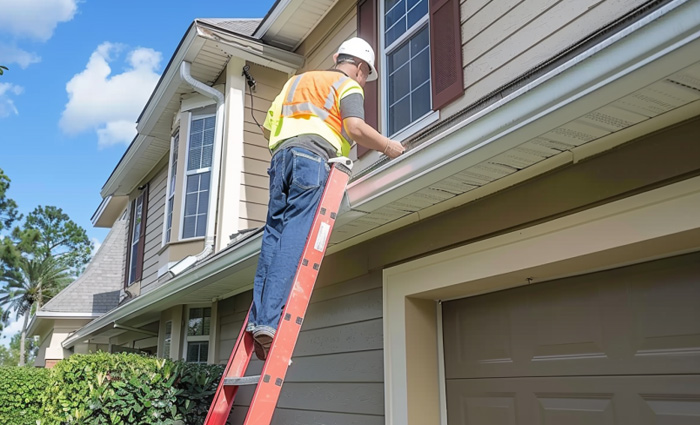
roof inspection after installation

Key Takeaways

  • A post-installation roof inspection is imperative for ensuring a new roof’s safety, integrity, and correct installation. This can prevent future structural problems and provide homeowners security and peace of mind.
  • Professional roof inspections, whether traditional or utilizing high-tech analysis such as drones and infrared, involve detailed examinations of the roofing system both externally and internally to ensure no defects or issues compromise its integrity and function.
  • If a new roof fails inspection, it’s crucial to contact the original contractor for necessary repairs under warranty, follow up with additional inspections as needed, and seek legal or consumer advocacy assistance if the contractor is uncooperative.

The Necessity of a Post-Installation Roof Check

A roof stands as the guardian of your home, shielding it from storms, heat, and cold. But what guarantees that this guardian was appointed correctly? That’s where the importance of a post-roof installation check comes to light. A thorough roof inspection by a certified professional is the seal of approval every homeowner should seek after having their roof installed. It isn’t just about ticking a box; it’s about ensuring your household’s safety and your investment’s integrity. After all, an issue as minor as missing flashing or inadequate weather resistance can have dire consequences, ranging from leaks to structural damage, which is why early detection is crucial.

Perhaps the most significant benefit of a roof inspection is reassurance. Knowing that a professional has scrutinized every shingle and seal and has affirmed that your roof is correctly installed offers an invaluable sense of security. It’s a protective measure that not only safeguards your home but also provides clarity and peace of mind. In the event of a future issue, you can rest assured that your roof was installed with precision and care.

Ensuring Proper Installation

your new roof is installed correctly

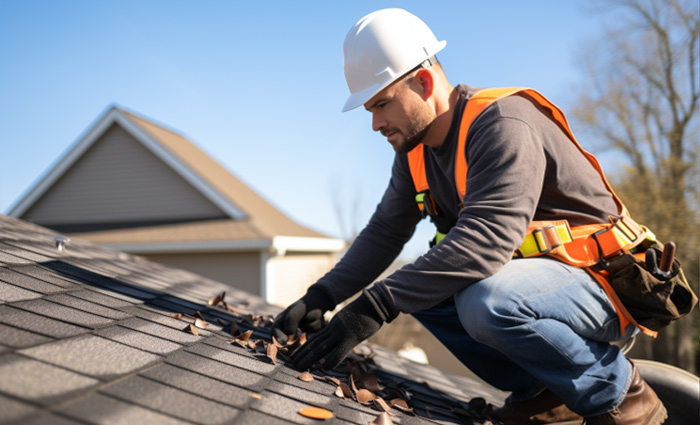
Ensuring that your new roof is installed correctly is not merely about aesthetics but performance and longevity. A certified roof inspector will examine your roofing system’s interior and exterior aspects with a fine-tooth comb. They will verify that each shingle is nailed down securely and properly aligned and that the overhang is within the optimal range to guard against water infiltration and wind damage. The inspector’s keen eye will also assess the flashing, a component crucial for channeling water away from the roof’s vulnerable areas. To fulfill its purpose, it must be intact, properly installed, and free of peeling or rust. Having your roof inspected by a certified roof inspector ensures the quality and durability of your new roof.

Moving beyond the exterior, the inspector will also venture into the attic. Here, they will look for uniformity in the roof’s appearance and scan for any signs of discoloration or rot. These could be telltale signs of moisture penetration or flaws in the roofing installation, leading to more significant problems if left unchecked. This rigorous examination process is the cornerstone of ensuring that your roof replacement process results in a durable, weather-resistant covering over your home.

Detecting Early Issues

The adage “a stitch in time saves nine” rings especially true when it comes to your roof. Detecting early issues post-installation can be the difference between simple fixes and extensive water damage repairs. A professional roof inspection can unearth the following:

  • Poor workmanship
  • Material defects
  • Placement of shingles
  • Condition of fixtures like fascia and soffits
  • Even the most minor signs that suggest subpar quality

This meticulous assessment includes all of these factors to ensure that any issues are caught early and can be addressed before they cause significant problems.

Regular maintenance check-ups are pivotal, but the inspection after installation serves a more urgent purpose: to ensure the roofing materials and workmanship are up to the mark from day one. This preemptive measure can alert you to any structural issues or leaks that, if addressed promptly, can save you from the distress and expense of damage control down the line.

Comprehensive Guide to Professional Roof Inspection Services

Diving into the realm of professional roof inspection services, one finds a landscape dotted with diverse options. These inspections differ not only in price but also in the level of technological sophistication employed. Regular maintenance check-ups by your roofing company are beneficial, but they serve different objectives than a dedicated roof inspection. The latter is a more in-depth look at the health of your roofing system. Whether you’re considering a roof inspection for annual preventative maintenance or as part of the due diligence before purchasing a new home, it’s an investment in the longevity of your property.

Timing is also essential; the ideal period for a roof inspection is typically in the fall. This is not just because of the favorable weather conditions but also as preparation for the harsher winter months ahead. As a homeowner, it’s important to understand what’s included in a roof inspection. Does it cover both the exterior and interior evaluation? Will it utilize advanced technology like drones or infrared inspections? Knowing these details ensures that you get a comprehensive service that leaves no stone—or, in this case, shingle—unturned.

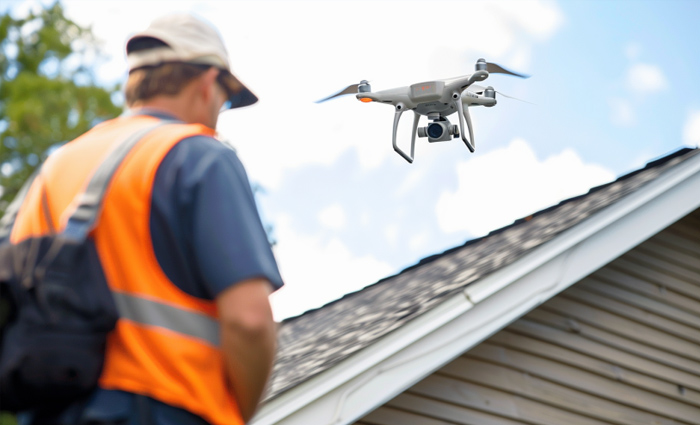
contractor using a drone to inspect a roof

In-Depth Examination with Physical Inspection

The traditional in-depth examination with a physical inspection remains a cornerstone of professional roof inspection services, including roof inspections. This hands-on approach allows the inspector to closely scrutinize every inch of your roof’s exterior and interior. It’s a meticulous process that for roofersthevillagesfl.com involves:

  • Climbing onto the roof
  • Checking for any loose materials
  • Inspecting the gutters for clogs that can lead to water damage
  • Searching for any signs that could indicate mold or other forms of damage

It’s a physically demanding task that requires a keen eye and expertise to ensure that your roof is structurally sound and equipped to protect your home from the elements.

A physical inspection is also a chance to evaluate the roof’s underlayment, its overall condition, and any potential issues that might not be immediately visible. It’s a thorough process that offers a comprehensive look at your roof’s current state, providing a vital piece in the puzzle of home maintenance.

High-Tech Analysis: Drone and Infrared Inspections

In the pursuit of precision and safety, high-tech analysis has become an integral part of the roof inspection process. Some of these high-tech analysis methods include:

  • Drone inspections, which offer a bird’s eye view of your roof, capture detailed visual information from angles that might be inaccessible or unsafe for inspectors to reach by traditional means.
  • Thermal imaging can detect areas of heat loss or moisture intrusion in your roof.
  • Moisture meters can measure the moisture content of your roof to identify potential leaks or water damage.
  • Infrared cameras can detect areas of heat or energy loss in your roof.

These innovative inspections reduce the need for inspectors to physically traverse the entirety of the fiberglass shingle roof, which can be particularly beneficial for steep or complex roofing systems.

Infrared inspections are another leap forward in roofing technology. By detecting subtle temperature variations with thermal imaging, these inspections can uncover hidden damage, such as minor leaks and fissures, long before they become visible to the naked eye. Though they may come at a higher cost, the comprehensive view of your roof’s integrity that an infrared inspection provides can be invaluable in preventing future problems.

What Does a Roof Inspector Look For?

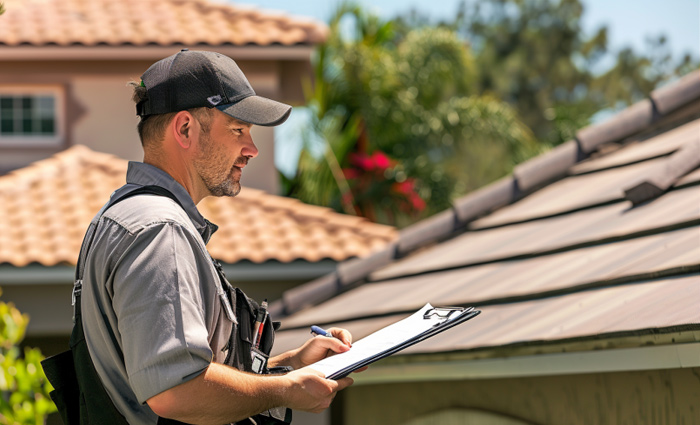
what does a roof inspector look at

When a professional roofer arrives to inspect your roof, they come with a checklist that covers the full spectrum of potential issues. They assess the structural integrity, ensuring that the overall structure, including rafters and trusses, is sound and capable of withstanding the rigors of the environment. They examine the condition of roofing materials, such as shingles and tiles, looking for any signs of wear, damage, or improper installation that could compromise the roof’s effectiveness. The inspection process is thorough, leaving no stone unturned to ensure that your roofing system is up to code, strong enough to keep water out, and well-ventilated.

Moreover, roof inspectors are on the lookout for missing or damaged materials and mistakes that might have been made during installation. Their expert eyes are trained to spot minor discrepancies that could lead to significant issues down the road, ensuring that homeowners are not left dealing with the fallout of a poorly installed or deteriorating roof.

Interior Evaluation

The interior roof inspection is as critical as the external examination when it comes to a roof inspection. Here, the inspector turns their attention to the attic, checking for:

  • Signs of movement or moisture penetration in the structural supports
  • Structural issues like cracked rafters or a sagging ceiling could indicate serious problems with the roof’s ability to bear weight.
  • Signs of rot, especially in the roof decking, could suggest that water has found its way in

Additionally, the inspector will be on the lookout for leaks, which might be evidenced by compromised roofing felt or membrane. They also assess the level of insulation and ventilation within the attic. These are crucial for maintaining the home’s energy efficiency and preventing issues like ice dams in colder climates. It’s a detailed process that offers final thoughts on the roof’s interior quality and structural integrity.

Exterior Scrutiny

Stepping outside, the inspector’s scrutiny shifts to the roof’s exterior components. This part of the inspection is vital and requires professional expertise to perform accurately. As the inspector methodically goes over the roof’s surface, they are vigilant for any signs of:

  • rot, which can be a red flag for more extensive underlying issues
  • wear and tear, such as loose or missing shingles
  • any cracked or split roofing materials that could jeopardize the roof’s integrity

The evaluation also includes looking for any other issues that may affect the roof’s performance and durability.

This exterior roof inspection is not just about identifying current problems; it’s about forecasting potential issues that could arise. By catching these early, homeowners can avoid the escalating costs and headaches associated with significant roof damage.

Steps to Take if Your Roof Fails Inspection

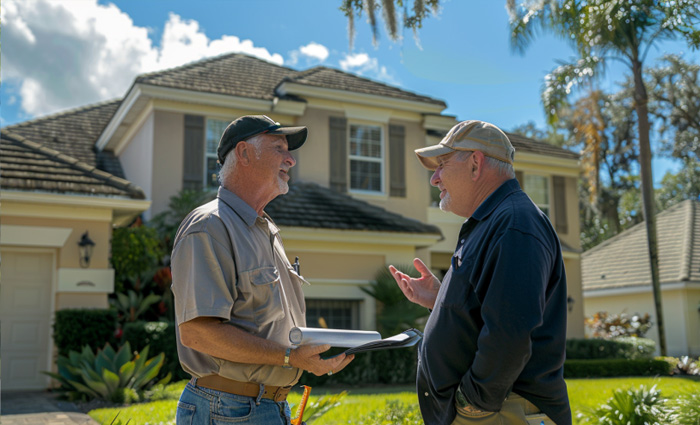
homeowner discussing roof inspection results with a professional roofer

Discovering that your brand-new roof has failed inspection can be a disheartening experience. However, there are clear steps to take to rectify the situation. Here are the steps you should follow:

  1. Contact the original roofing contractor who installed the roof.
  2. Present them with the inspection results and expect them to perform the necessary repairs or replacements, often at minimal or no extra cost, especially if they are responsible for the issues identified.
  3. Review your contractual agreement and warranty, as these documents will guide your next steps and protect your rights as a homeowner.

After completing any necessary repairs, insist on another roof inspection to ensure that all issues have been properly addressed. Should the contractor be uncooperative or dispute the need for repairs, don’t hesitate to seek legal advice or reach out to consumer protection organizations like the Better Business Bureau. It’s your right to demand quality work and to hold contractors accountable for the integrity of your roof.

Selecting the Right Roofing Contractor for Your Inspection

Selecting the right qualified roofing contractor for your inspection is a decision that should not be taken lightly. It’s imperative to look beyond glossy brochures and slick websites; instead, focus on the contractor’s track record. A contractor’s previous work and client feedback offer invaluable insights into their work ethic and quality. Local contractors also bring the advantage of familiarity with regional building codes and weather patterns, which can impact the inspection’s outcome.

When comparing contractors, it’s crucial not just to look at the price but to scrutinize the scope of services offered. Multiple estimates can help you discern the market rate and set your expectations for what a thorough inspection should encompass. Moreover, examine the estimates closely for thoroughness and transparency. Red flags to watch for include hidden fees or vague explanations of the services provided. Ensure there is clarity around what the inspection will cover and that the contractor is upfront about any additional costs that might arise.

Your home’s well-being depends on the quality of the inspection, so choose a reputable roofer who will deliver a comprehensive evaluation.

Qualifications of a Professional Roof Inspector

The qualifications of a professional roof inspector are non-negotiable. At the minimum, they should have:

  • a high school diploma
  • additional education (often favored by employers)
  • licensing or certification (required in most states)
  • experience in the roofing industry or a related educational background (such as a degree in engineering or architecture)

These qualifications ensure that inspectors have the necessary expertise to conduct a thorough inspection.

On-the-job training is also indispensable for a roof inspector. This training helps them stay abreast of current regulations, inspection methods, and the specifics of local building codes. When selecting an inspector, ask about their qualifications, experience level, and whether they receive ongoing training to keep up with industry standards.

Comparing Roof Inspection Costs

Understanding the cost implications of a professional roof inspection is essential for homeowners. The price of an inspection can vary significantly depending on the type of inspection conducted, with physical inspections generally falling between $200 and $400. Drone inspections offer a different price range and level of detail, with costs also influenced by the complexity of the roof’s design. Given their advanced technology and comprehensive results, infrared inspections tend to be on the higher end of the cost spectrum, often starting at $400.

homeowner evaluating inspection costs

However, it’s important to remember that the cost of an inspection is also influenced by the roof’s size, accessibility, and the inspector’s expertise and certification. When evaluating costs, homeowners should weigh the long-term benefits of a quality inspection against the initial expense. While it may be tempting to opt for the cheapest option, investing in a thorough inspection by a certified and experienced professional can save you from future costs and ensure the longevity of your brand-new roof.

Roof Inspection Summary

As we wrap up this comprehensive guide, it’s clear that the importance of a roof inspection post-installation cannot be overstated. Ensuring that your new roof is faultlessly installed and accessible from early issues not only protects your home from potential damage but also solidifies your investment. Professional roof inspections, be they physical, drone-assisted, or infrared, are indispensable tools in a homeowner’s arsenal, offering an in-depth look at the condition of a brand-new roof and peace of mind that it has been installed with expertise and care.

In closing, remember that the quality of your roof inspection is largely dependent on the qualifications and diligence of the roofing contractor you choose. Comparing costs, qualifications, and reviews will help you find a reputable roofer who can provide a thorough and honest evaluation. Although these steps may require time and effort, they will ensure the longevity and integrity of your roof, saving you from potential headaches and financial strain in the future.

Frequently Asked Questions

How often should I get my roof inspected?

It is recommended to have your roof inspected annually for preventative maintenance, especially in the fall, before the winter months, or before purchasing a new home to ensure everything is in top condition. Therefore, scheduling an annual inspection is advisable for maintaining the condition of your roof.

What’s the difference between a roof inspection and a maintenance check-up?

A roof inspection is a comprehensive evaluation conducted by a certified professional to identify potential issues, while a maintenance check-up is a routine assessment focusing on basic upkeep. Both are important for the overall health of your roof.

Can drone and infrared inspections replace the need for a physical roof inspection?

While drone and infrared inspections offer unique advantages, they are generally used to complement rather than replace a physical roof inspection. Combining methods ensures the most thorough evaluation of your roof’s condition.

What should I do if my roof fails an inspection after installation?

Contact the original roofing contractor for repairs or replacements as per your contractual agreement and warranty. Seek legal advice if necessary to ensure the issues are adequately addressed.

What qualifications should I look for in a professional roof inspector?

Look for a roof inspector with the proper licensing or certification, additional education in related fields, prior roofing experience, and ongoing training to ensure a thorough and expert inspection. These qualifications vary by state and should be carefully considered.

Roofing the Villages
(352) 293-2449

For the original version of this article visit: https://roofersthevillagesfl.com/roof-inspection-after-installation-101/

Roof Types for Insurance

Your roof does more than keep the rain out. For insurance companies, it’s one of the first things they evaluate when deciding how much to ch...