Showing posts with label Roof Repair. Show all posts

Tuesday, August 26, 2025

Wind Damage Roof Repair and Prevention

Wind damage can compromise your roof, leading to leaks, shingle loss, and even structural problems. This article explains how to spot signs of wind damage, repair affected areas, and take steps to prevent future issues.

wind damage roof

Key Takeaways

  • Wind damage to roofs can occur from storms and hurricanes, leading to severe structural issues and water leaks if not addressed.
  • Homeowners should inspect their roofs for signs of wind damage, such as missing or curled shingles, granule loss, and damage to gutters, to prevent further complications.
  • Immediate action after discovering wind damage includes documenting the damage, contacting your insurance provider for claims, and hiring a professional roofing contractor for repairs.

Understanding Wind Damage to Roofs

Wind damage is a common yet often underestimated threat to roofs. Strong winds can strip shingles, cause structural damage, and lead to leaks and energy loss if left unaddressed.

Understanding the causes and types of wind damage helps mitigate its impact and maintain a robust roofing system.

What Causes Wind Damage?

Wind damage is primarily caused by severe thunderstorms, tornadoes, and hurricanes. Wind gusts from these severe storms, especially those above 74 mph, can cause severe roof damage. Severe weather, such as straight-line winds, can reach wind speeds of 100 mph or more, posing a significant threat to roofing systems and leading to severe storm damage. Additionally, monitoring wind speed is crucial for assessing potential risks during severe weather events, including the impact of a wind storm.

Types of Wind Damage

Wind damage manifests in various forms:

  • High winds can lift and tear shingles, exposing the roof deck – resulting in leaks and further damage.
  • Straight-line winds can severely compromise roofing systems.
  • Granule loss in gutters indicates that shingles have lost their protective layer.

Identifying Wind Damage on Your Roof

After a windstorm, inspect your roof for damage. Visible signs include:

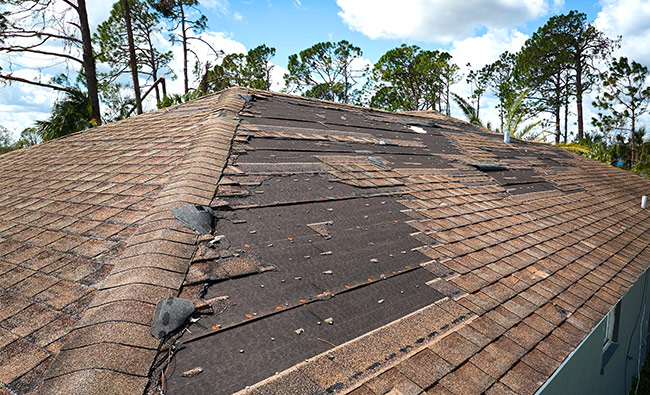
  • Missing shingles
  • Curling or lifted shingles
  • You may also notice visible damage to soffit, fascia, or gutters. Regularly inspecting your roof can help identify potential issues and facilitate timely repairs, preventing further damage.
  • Hail is present in some high-speed wind storms, so be aware and inspect for hail damage as well.

A thorough inspection is often necessary, as not all wind damage can be spotted from the ground.
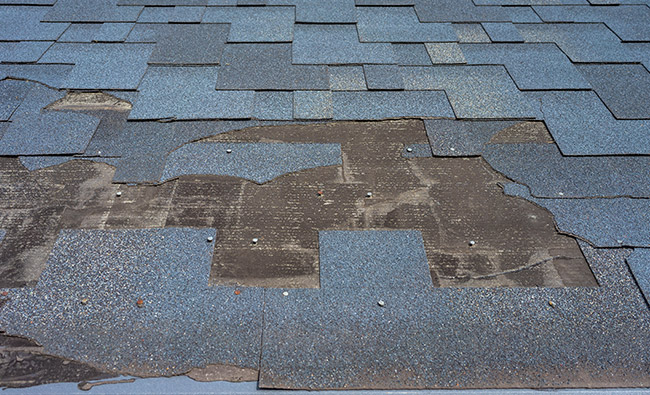
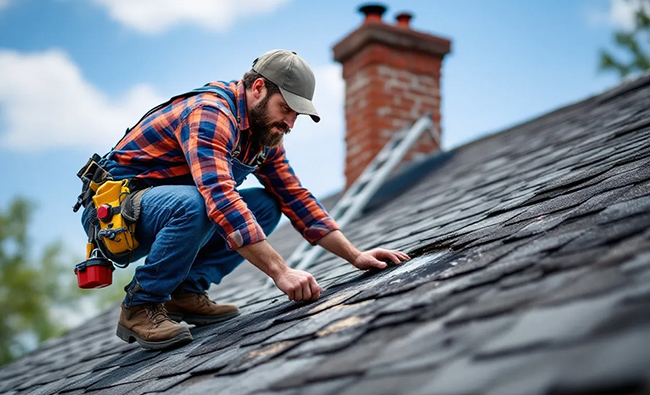
roofing contractor inspecting wind damage missing shingles on roof

Missing Shingles

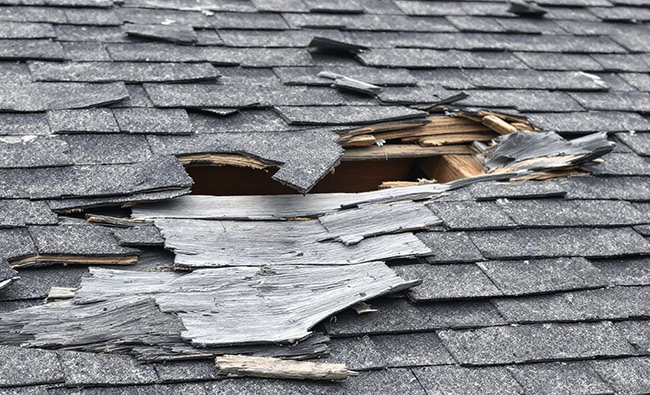
Missing shingles directly indicate wind damage. High winds can strip away damaged shingles, compromising the integrity of the roofing system. This visible damage requires immediate attention to prevent leaks and further deterioration. A missing shingle can lead to significant issues if not addressed promptly, including loose shingles and damage to the roof.

Professional roof assessments conducted twice a year can detect signs of wind damage that may not be visible to homeowners.

Lifted or Curled Shingles

Lifted or curled shingles clearly indicate wind impact:

  • Windstorms can catch the edges of shingles, causing them to lift or curl.
  • This breaks the adhesive seal, creating a non-water-tight surface.
  • If left unrepaired, these shingles may eventually tear off entirely.
  • This situation necessitates a professional roof inspection to avoid a total roof replacement.

Granule Loss

Granule loss in asphalt shingles is a critical indication of wind damage. Granules in gutters suggest shingles have lost their protective layer, exposing the underlying material to wear and potentially compromising the roof’s integrity.

Gutter and Fascia Damage

Damage to gutters and fascia can indicate that wind has compromised the roof’s ability to shed water effectively. Heavy rainfall can exacerbate existing issues, leading to significant water damage. Take action if you see damage on the edge of your roof. Be sure to contact a professional roofing company for an assessment.

Steps to Take After Discovering Wind Damage
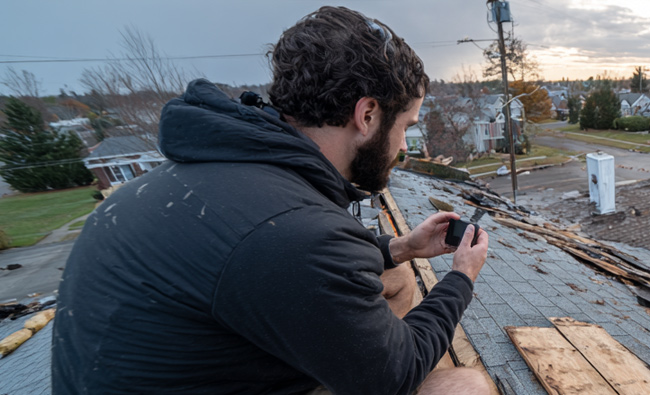
homeowner documenting wind damage to their roof

Discovering wind damage can be overwhelming, but immediate action is necessary to protect your home. Here are the steps to take:

  • Document the damage with photos and notes for insurance claims.
  • Contact your insurance company to file a claim.
  • Have a professional inspection to assess the damage and identify necessary repairs.

Acting quickly ensures a smooth claims process and prevents further damage.

Ensure Safety First

Before inspecting roof damage, check for hazardous conditions, such as unstable surfaces or falling debris, to ensure safety. Safety is paramount; consider using binoculars or a drone for a preliminary inspection if climbing onto the roof is unsafe.

Document the Damage

Thorough documentation is key to a successful insurance claim. Here are the important steps to follow:

  • Take clear photos and videos of the damage.
  • Keep detailed notes of affected areas.
  • Notify your insurance company promptly, as many policies have specific deadlines for reporting wind damage.

Maintaining organized records of all communications with your insurer enhances the efficiency of the claims process.

Contact Your Insurance Company

After discovering wind damage, contact your insurance agency promptly. Filing a claim should be your priority. Clear descriptions and evidence of the damage can expedite the claims process.

In addition to wind damage, many policies for home insurance also cover leaks. An insurance adjuster will assess all the damage and inform you of the coverage for repairs.

Repairing Wind Damage: Hiring a Professional Roofing Contractor
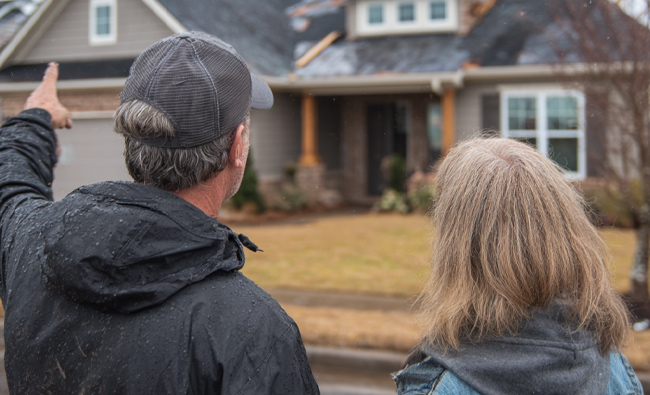
professional roofing contractor discussing repair options with a homeowner

Hiring a professional roofing contractor is essential for effective wind damage repair. These experts:

  • Possess the knowledge to assess and repair damage, ensuring safety and quality
  • Handle both minor and significant repairs
  • Provide damage assessments
  • Assist with insurance claims
  • Ensure that your roof repair is done correctly

Finding the Right Roofing Contractor

Selecting a reputable roofing contractor involves reviewing their previous work and customer reviews. Experience with local building codes is crucial for effective repairs.

A qualified contractor ensures that all damages are accounted for during the insurance adjuster’s assessment.

Getting Repair Estimates

Obtaining multiple repair estimates ensures the best coverage and helps avoid scams. A repair estimate includes a detailed action plan based on the contractor’s findings, with factors such as materials, size, and location influencing the cost.

Scheduling Repairs

Agree on the claim amount with the insurance company before starting repairs.

Once insurance approval is secured, coordinate with the contractor to schedule the repairs.

Preventing Future Wind Damage

Protective measures can significantly reduce the risk of wind damage to roofs. A comprehensive maintenance plan, regular inspections, and proactive strategies enhance the roof’s resilience against strong winds.

Regular Inspections
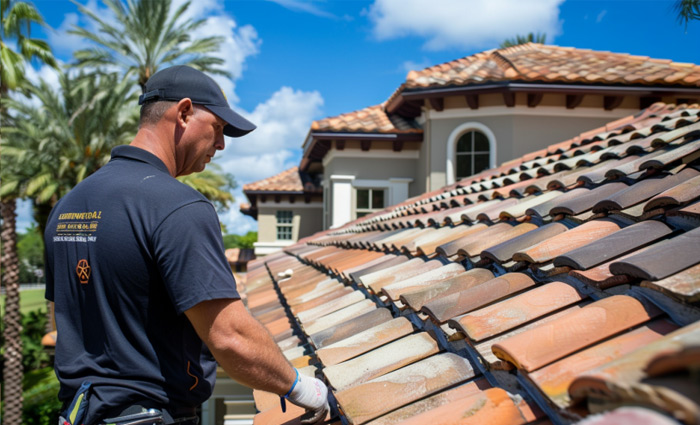
regular inspection and cleaning clay tile roofs

Periodic inspections enable homeowners to identify potential vulnerabilities before they escalate into severe issues. Annual inspections help spot minor problems that could escalate into major wind damage.

Strengthening Roofing Materials

High-quality and durable materials can strengthen a roof’s resilience against strong winds. Routine inspections identify wear and tear on roofing materials that may become vulnerable during high winds.

Maintaining Roof Vents and Gutters

Proper maintenance of roof vents and gutters prevents wind-related problems and ensures effective water drainage. Regular inspections and cleaning prevent clogged gutters, maintain the structural integrity of the roof, and avoid issues like pooling water.

The Role of Homeowners Insurance in Wind Damage

Homeowners insurance typically covers wind damage, a common cause of storm-related claims. Reviewing your insurance coverage policy to understand the specifics of your coverage is essential, as policies can vary significantly.

Qualified contractors may assist with the insurance claims process, potentially reducing out-of-pocket costs.

Understanding Your Coverage

Review your insurance policy beforehand to ensure adequate coverage for wind-related incidents. Examine your policy carefully to identify coverage limits and any exclusions related to wind damage.

Filing an Insurance Claim

Document the damage immediately with clear photos and detailed notes. Include this documentation when filing a claim and keep copies for your records.

A roofing contractor experienced with an insurance provider can assist with the claims process.

Navigating the Claims Process

To support your insurance claim:

  1. Take photos and notes of all visible damage.
  2. After documenting the damage, contact your insurance company to file an insurance claim and initiate the claims process.
  3. Provide all necessary documentation to your insurance company.

Wind Damage Summary

Unrepaired wind damage can quickly lead to costly problems. Understanding how to identify and repair wind damage, as well as taking preventive measures, can help protect your home from future storms. Proactive steps, like regular inspections and maintaining your roof, can save you from costly repairs. Stay vigilant, and ensure your roof remains a strong defense against the elements.

Frequently Asked Questions

How can I identify wind damage on my roof?

To identify wind damage on your roof, check for missing or lifted shingles, granule loss in the gutters, and any damage to the gutters and fascia. Ensuring these areas are intact is crucial for the roof’s integrity.

What should I do immediately after discovering wind damage?

Immediately ensure safety, document the damage with photos and notes, and contact your insurance company to initiate the claim-filing process. This proactive approach will help you address the issue effectively.

How can I prevent future wind damage to my roof?

To prevent future wind damage to your roof, conduct regular inspections and use high-quality roofing materials. Additionally, ensure that roof vents and gutters are well-maintained.

What role does homeowners’ insurance play in wind damage?

Homeowners’ insurance generally provides coverage for wind damage. It’s crucial to review your policy for the specific terms and conditions. Ensure you understand any limitations or exclusions that may apply to your coverage.

How do I choose the right roofing contractor for repairs?

Select a roofing contractor by verifying their reviews, evaluating their previous work, and confirming they are experienced with local building codes and insurance claims. This thorough approach will help ensure you hire a qualified professional for your repairs.

Roofing the Villages
(352) 293-2449

For the original version of this article visit: https://roofersthevillagesfl.com/wind-damage-roof-repair-prevention/


Thursday, April 24, 2025

Your Roof Maintenance Checklist

Need a roof maintenance checklist? The roof maintenance tips paired with this guide cover all the essential tasks, from inspections to cleaning gutters, to help you maintain a durable and safe roof that reaches its full life expectancy.

roof maintenance checklist

Key Takeaways

  • Regular roof inspections and maintenance are essential to prevent costly repairs and extend the roof’s lifespan, including checking flashing and drainage systems.
  • Cleaning gutters, trimming nearby trees, and removing moss and algae are critical tasks that help maintain effective water drainage and protect roofing materials from damage.
  • Engaging professional roofing contractors ensures compliance with building codes, provides expert inspections, and helps maintain the overall health and longevity of your roof.

Schedule Regular Roof Inspections

Routine inspections are essential for effective roof maintenance. Conducting them twice a year can significantly extend your roof’s lifespan by identifying minor issues early. Look for cracks, tears, and blisters, which, if ignored, can cause severe structural damage.

Engage professional roofing contractors for these inspections. Their trained eyes can spot issues that might be missed during a casual visual inspection. Professional inspections help identify potential leaks, damaged shingles, and other structural issues early, saving you from costly repairs in the future.

Address minor flaws promptly to prevent further damage. Staying proactive with inspections maintains the integrity of your roofing system and keeps your house safe.

Clean Gutters and Downspouts

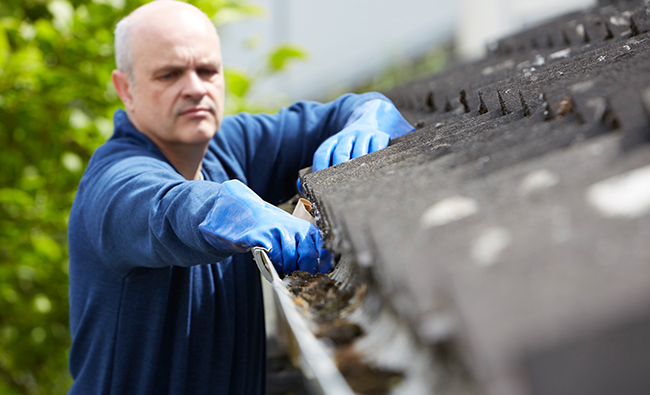
clean gutters and downspouts on a roof

Clean gutters and downspouts are crucial for proper water drainage. Clogged gutters can’t function effectively, leading to water infiltration and potential damage. Regular cleaning prevents moisture buildup, which can lead to moss growth and shingle degradation.

Gutters should be cleared regularly by removing leaves, twigs, and other debris. Ensure downspouts are securely attached and free of blockages to prevent water pooling. Installing kick-out flashing can further enhance gutter functionality by directing water flow effectively.

Neglecting this task can lead to severe issues, such as water damage to your home’s siding and foundation, and structural damage to the roof. Ensure your gutters are working correctly by regularly cleaning them.

Trim Nearby Trees

While nearby trees add beauty, their tree branches can become a menace if left unchecked. Overhanging branches can drop debris that traps moisture on the roof. Regularly trim these branches to prevent damage to the roof shingles.

Falling limbs can cause severe structural damage. Trimming branches that shade the roof can reduce moss growth by improving sunlight exposure, maintaining both the roof’s aesthetic appeal and longevity.

Schedule tree pruning and trimming sessions regularly, especially in the spring when trees are actively growing. Use the right tools, like a ladder and pruning shears, to safely remove overhanging branches and keep your roof clear of debris and potential hazards.

Inspect and Repair Flashing

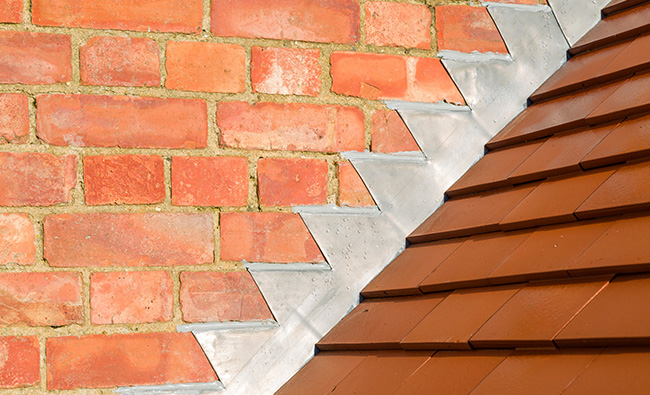
inspecting flashing on a roof

Flashing maintains a watertight seal where roof planes intersect, such as around chimneys, vents, and skylights. Regularly inspecting and repairing flashings prevents water leaks and ensures the integrity of your roofing system. Look for rust, gaps, or deterioration during inspections.

After storms, inspect the flashing for any damage. Use the right sealants to maintain the watertight seal and check caulking for cracks. Ensuring roof penetrations are sealed properly prevents leaks and extends the life of your roof.

Maintaining flashing can save you from costly repairs and help maintain your roof’s overall health. Make flashing inspection a regular part of your roof maintenance routine.

Remove Moss and Algae

Moss and algae may give your roof a rustic charm, but are harmful. Moss growing on shingles retains moisture, leading to deterioration and reduced roof lifespan. Moss growth can also obstruct proper drainage, resulting in potential water damage and leaks.

To combat moss, remove any organic matter and debris buildup on the roof. Use a gentle, eco-friendly dish soap and horticultural oil solution to remove moss safely. Consider installing zinc or copper strips to inhibit moss and algae growth for long-term prevention.

Keeping your roof free of moss and algae enhances its appearance, ensures proper water drainage, and extends its lifespan. Regular maintenance and proactive measures are key to a healthy, moss-free roof.

Check Attic Ventilation

Proper attic ventilation is crucial for maintaining a healthy roof and preventing mold, mildew, and ice dams. Adequate ventilation pathways allow humid air to escape, replacing it with cool, dry air, which helps mitigate the risks of mold and mildew by preventing moisture buildup.

Check that vents are unobstructed and functioning correctly. Installing rafter vents can improve attic airflow, ensuring insulation and stored items do not block ventilation. Address any ventilation problems promptly to prevent moisture buildup from improperly vented appliances.

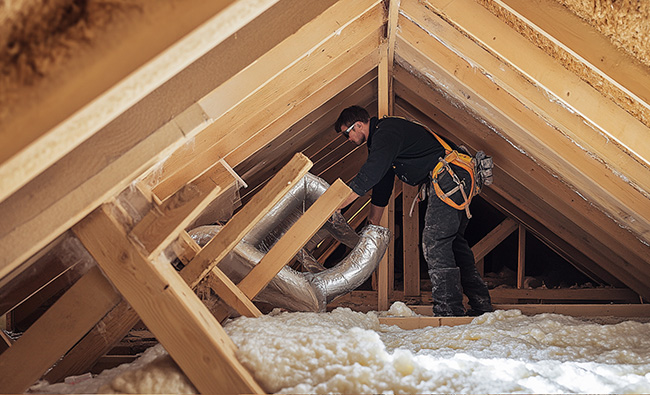
examine attic of a roof for damage

Proper attic ventilation supports overall roof health and energy efficiency, making it a critical component of roof maintenance.

Examine Roof Surface for Damage

Regularly examine your roof surface for signs of damage to detect issues early and prevent costly repairs. Look for blistering, cracking, tears, holes, abrasions, and loose or damaged pieces. Different types of roofs require different focus areas, such as checking tile and shingle roofs for loose or missing pieces and inspecting metal roofs for corrosion and damaged panels.

Use binoculars to inspect hard-to-reach vulnerable areas from the ground, or physically assess the roofing membrane for punctures and tears. Perform inspections after severe weather or high winds to catch any damage early. Address identified damage promptly to avoid costly repairs.

Staying vigilant and conducting regular inspections maintains the integrity of your roof and prevents minor potential issues from becoming major problems. Use a checklist to ensure nothing is overlooked during these roofing maintenance inspections.

Assess Drainage Systems

Effective drainage systems prevent water damage to your roof and home. Blocked drainage systems can lead to costly repairs. During heavy rainfall, unmaintained gutters can cause water to overflow, potentially damaging siding and foundation.

Regular inspections should include checking all roof drainage components for blockages. Verify that downspouts are securely attached and free of debris to ensure proper water drainage. Address damaged or improperly installed scuppers promptly to maintain effective water drainage.

Maintaining clean and effective drainage systems prevents water infiltration and protects your roof from potential leak damage.

Document Maintenance and Repairs

Keeping detailed records of all roof maintenance and repairs is crucial for future inspections and budget planning. A maintenance log helps track the history of roof work, allowing homeowners to plan for upcoming maintenance and budget appropriately. Note down any observed issues during inspections to ensure they are addressed promptly.

A systematic approach to documenting a maintenance checklist improves communication between homeowners and roofing contractors. This documentation helps identify recurring issues and plan preventative measures to avoid costly repairs.

Maintaining detailed records ensures your roof remains in top condition and extends its lifespan.

Engage Professional Roofing Contractors

engage professional roofing contractors for roof maintenance

Hiring professional roofing contractors is essential for maintaining your roof’s health and longevity. Professional companies adhere to ethical standards, ensuring accountability. They apply precise techniques and use high-quality materials for a durable installation.

Local roofing contractors are knowledgeable about building codes and regulations, ensuring compliance. Engaging a professional roofer is crucial for addressing significant commercial roof damage that requires specialized tools and expertise. Engaging professional contractors ensures periodic inspections and maintenance of your commercial roofs.

Investing in professional roofing services provides access to extensive knowledge and tailored solutions for roof equipment issues, ultimately saving you money by preventing costly repairs.

Roof Maintenance Summary

Maintaining your roof requires a proactive approach and a comprehensive maintenance checklist. Regular inspections, cleaning gutters, trimming nearby trees, and engaging professional roofing contractors are essential steps to ensure your roof’s longevity and performance. Addressing issues promptly and documenting all maintenance and repairs are critical for effective roof management.

By following this checklist, you can protect your investment, prevent costly repairs, and ensure your roof remains in top-notch condition. Take action today and implement these roof maintenance practices to enjoy a safe, secure, and long-lasting roof.

Roof Maintenance Inspector Frequently Asked Questions

How often should I inspect my roof?

You should inspect your roof at least twice a year, ideally in the spring and fall, to ensure it remains in good condition. Regular inspections can help identify issues before they become major problems.

Why is it important to clean gutters regularly?

Regularly cleaning gutters is essential to prevent moisture buildup that can cause moss growth and potentially lead to water infiltration and structural damage. Keeping gutters clear safeguards the integrity of your home.

What are the benefits of hiring professional roofing contractors?

Hiring professional roofing contractors ensures high-quality workmanship, compliance with building codes, and access to warranty coverage, which ultimately guarantees a durable and reliable roof.

How can I prevent moss and algae growth on my roof?

To prevent moss and algae growth on your roof, regularly remove any debris, apply eco-friendly treatment solutions, and consider installing zinc or copper strips. These measures will help protect your roof’s integrity and appearance.

Why is proper attic ventilation important?

Proper attic ventilation is essential for preventing mold, mildew, and ice dams, as it allows humid air to escape, thus promoting roof health and enhancing energy efficiency. Prioritizing adequate ventilation can significantly extend the lifespan of your roof and improve your home’s comfort.

Roofing the Villages
(352) 293-2449

For the original version of this article visit: https://roofersthevillagesfl.com/your-roof-maintenance-checklist/

Wednesday, February 26, 2025

Top 7 Common Roof Repairs

Facing problems and need your roof repaired? This article covers the most common roof repairs, like leaks, broken shingles, etc. Find out how to spot these issues and tackle repairs to keep your roof in good shape.

common roof repairs

Key Takeaways

  • Address roof leaks promptly to prevent structural damage and perform regular maintenance to extend the roof’s lifespan.
  • Detect and replace damaged shingles immediately to maintain roof integrity and avoid further issues, especially in storm-prone areas.
  • Regular gutter maintenance and proper ventilation are essential in preventing water accumulation and moisture-related problems, which can compromise roofing materials.

Roof Leaks and How to Address Them

Roof leaks rank as one of the most prevalent issues for homeowners. They are a significant concern when it comes to roofing problems. A variety of factors can cause these issues. Examples include damaged flashing, missing shingles, and clogged gutters. Addressing roof leaks promptly is crucial to prevent further damage and preserve the structural integrity of your home.

Signs of a roof leak can often be identified through water stains on ceilings and walls or the presence of mold around the house. If you notice these signs, it’s crucial to locate the source of the leak. Start by inspecting common problem areas, such as around chimneys, skylights, and vents. Minor roof repairs can often be handled by resealing these areas or replacing damaged shingles.

For more severe roof repairs, such as significant water damage or structural issues, it’s best to call in a professional roofing contractor. Emergency roof repairs may be necessary if the leak poses an immediate threat to your home’s safety. Regular roof inspections and maintenance can help prevent leaks from occurring in the first place, ensuring your roof repair remains in good condition.

Preventing costly repairs is easier than you might think. Regular roof maintenance can significantly extend the life of your roof, such as cleaning gutters and checking for potential problem areas. Prompt attention to minor repairs helps avoid more severe issues and keeps your home safe and dry.

1. Damaged Shingles

damaged shingles on a roof that needs replacement

Damaged shingles are another common roofing issue that can lead to significant problems if not addressed. Routine roof inspections can help detect issues like cracked, warped, or missing shingles. Visible signs of shingle damage include dark stains, which could indicate the presence of moss or algae.

Shingles can be damaged by high winds, fallen trees, flying debris, or animals. Promptly replacing broken shingles maintains the roof’s integrity and prevents more extensive damage. If you live in a storm-prone area, replacing roof shingles immediately after a storm is critical to avoid further issues.

While replacing damaged shingles, you might face challenges such as finding an exact color match due to sun bleaching. A local roofing contractor can assist with replacing damaged shingles and ensuring a proper match. Prompt shingle repairs prevent structural damage and extend your roof’s lifespan.

2. Damaged Flashing

repairing damaged roof flashing

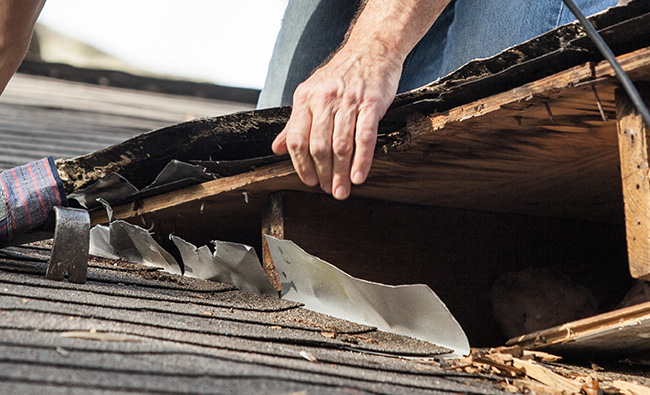
Flashing directs water away from critical areas on the roof, such as chimneys, vents, and skylights. Damaged flashing can lead to roof leaks and structural issues if not addressed promptly. Common signs of flashing damage include cracked seals, visible gaps, corrosion, water stains, and mold.

Repairing damaged flashing often involves resealing or replacing it to restore functionality. Improper installation can cause flashing to fail, leading to water flowing underneath the roofing materials and causing further damage. Regularly checking and fixing flashing issues is essential to ensure the roof’s integrity.

Noticing damaged flashing should prompt a call to a professional roofing contractor for assessment and repair. Timely repairs can prevent further damage and keep your roof in good condition. Maintaining your flashing helps avoid costly repairs and extends your roof’s lifespan.

3. Gutter Maintenance and Repair

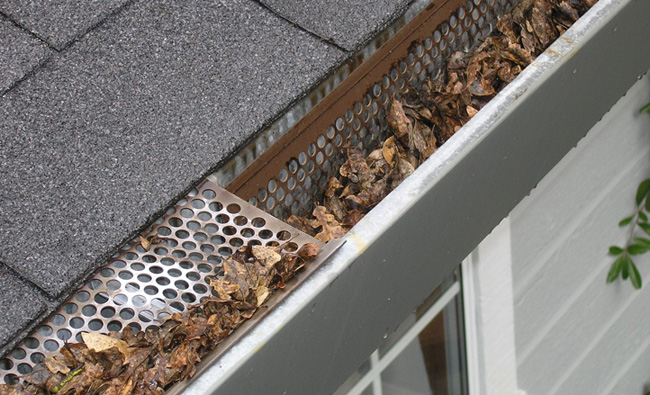
Gutters play a vital role in your home’s roofing system by directing rainwater away from the house. They eliminate water accumulation from the roofline, directing it away from the home. Clogged gutters can worsen roof problems by leading to water overflow and potential damage to fascia boards, walls, and foundations.

Common problems that arise from clogged gutters include leaks, rot, and structural damage. Regular cleaning of gutters is necessary to prevent water backup that can damage shingles and other roofing materials. Gutters should be cleaned at least twice yearly, ideally in spring and fall, to prevent issues caused by accumulated debris.

clogged gutters on a house, leads to roof damage

If your gutters overflow despite being clean, inspect for possible gutter damage and improper slope. Regular maintenance and timely repairs are essential to avoid expensive problems and ensure that your gutters are functioning efficiently.. Maintaining your roof drainage system and gutters protects your roof and home from water damage.

4. Poor Ventilation Issues

Poor ventilation can lead to significant issues like moisture accumulation, which affects the integrity of roofing materials and overall roof health. Effects of poor attic ventilation include excessive heat buildup, which can cause roofing materials to age prematurely and increase energy costs.

Proper airflow in the attic improves ventilation. This helps reduce the risk of moisture accumulation and prevents mold growth.

If issues related to ventilation are identified, it is vital to hire a licensed contractor to investigate and implement necessary repairs for effective airflow. Maintaining a healthy roof and preventing costly repairs requires proper ventilation.

5. Ponding Water on Flat Roofs

Standing water on flat roofs, commonly called ponding water, can be caused by various factors, including inadequate drainage and structural issues. Ponding water should not remain on flat roofs for more than 48 hours to prevent damage to the roof structure and materials.

Clogged drains are a common cause of ponding water on flat roofs, leading to potential leaks and damage if not addressed. Installing additional drains can alleviate pooling water issues, especially near parapet walls. Silicone-based roof coatings are effective for areas experiencing ponding water when applied correctly.

In some cases, re-pitching or overlaying the roof with a new membrane might be necessary to address ponding issues and aged roofing material. If other repair methods are ineffective, a complete roof replacement might be required. Promptly addressing ponding water prevents significant damage and extends the life of your flat roof repairs.

6. Emergency Roof Repairs

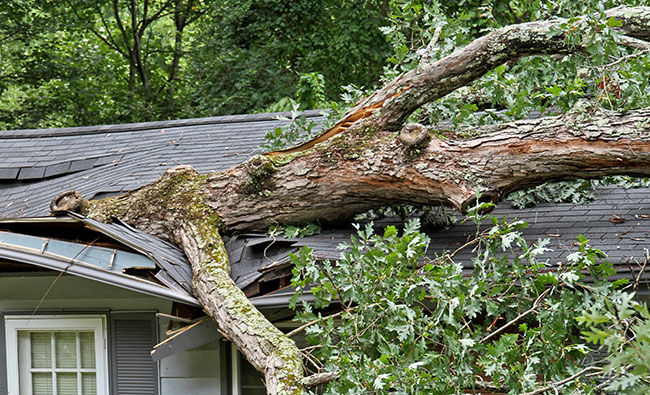
tree damage for emergency roof repairs assessed by a roofing contractor

When water, fire, wind, or tree damage occurs, emergency roof repairs are necessary. Signs of an emergency include visible water leaks, large puddles on the roof, or major structural threats. Swift action and informed decisions are crucial during a roofing emergency to minimize damage.

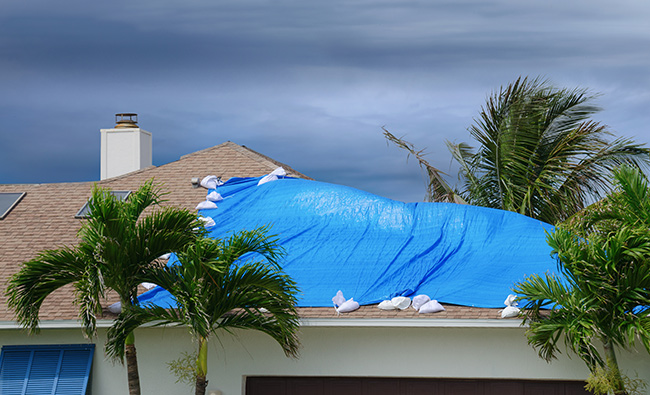
During a roofing emergency, the first step is to contact a local roofing contractor. They will be able to assist you with the situation. Temporary tarping can be used to minimize damage until a professional can perform repairs. Documenting damage and taking photos can facilitate a smoother insurance claims process.

Immediate attention to ice dams on a roof is necessary to avoid water damage. Prompt emergency repairs prevent further damage and ensure your home’s safety. Always be prepared and know when to seek professional help to handle roofing emergencies effectively.

7. Preventive Maintenance Repairs

Regular inspections of the roof are essential. They help identify issues such as missing granules, cracks, and leaks. Scheduling at least one roof inspection per year can help identify potential problems early. Proper gutter maintenance, such as ensuring downspouts are connected, can prevent water from pooling on the roof.

Trimming trees and branches that are near the entire roof can prevent damage caused by falling limbs or abrasion. Preventive measures like timely repairs and maintenance can significantly prolong roof life and prevent costly repairs.

Proactive steps help maintain a healthy roof and avoid unexpected issues.

Choosing the Right Roofing Contractor

Choosing the right roofing contractor ensures quality work and protects your investment. Homeowners should check roofing contractors’ credentials to confirm a valid license and insurance. References from previous clients can offer insights into a contractor’s reliability and quality of work.

roofing contractor fixing damaged roof for homeowner

Obtaining multiple written estimates from roofing contractors allows for comparison of prices and services offered. Comparing quotes helps ensure competitive pricing and service evaluation for roof projects. Understanding the difference between a contractor’s workmanship warranty and the manufacturer’s warranty is crucial for long-term satisfaction.

Contractors that offer financing options may indicate financial stability and professionalism. A trustworthy contractor should provide a clear plan for their work and explain how the roofing system functions. Choosing the right contractor ensures your roofing project is completed to the highest standard.

Roof Repairs Summary

In conclusion, maintaining your roof is essential for the safety and longevity of your home. From fixing roof leaks and damaged shingles to handling poor ventilation and emergency repairs, addressing these issues with urgency can prevent costly repairs and prolong the life of your roof.

Regular inspections, preventive maintenance, and choosing the right roofing contractor are key to ensuring your roof remains in good condition. By taking proactive steps, you can protect your home and enjoy peace of mind knowing your roof is well-maintained.

Common Roof Repairs Frequently Asked Questions

What are the most common causes of roof leaks?

The most common causes of roof leaks are damaged flashing, missing shingles, and clogged gutters. Regular inspections and maintenance can help prevent these issues.

How can I identify damaged shingles?

To identify damaged shingles, look for visible signs such as dark stains, cracks, warping, or missing shingles. Addressing these issues as soon as you notice them can help prevent further damage to your roof.

What should I do if I notice damaged flashing?

If you notice damaged flashing, promptly call a professional roofing contractor for assessment and repair to prevent further damage. Taking this action can help safeguard your property from potential leaks and structural issues.

How often should gutters be cleaned?

Gutters should be cleaned at least twice a year, ideally in spring and fall, to prevent issues from debris buildup. Regular maintenance will help ensure proper drainage and avoid costly repairs.

Why is poor ventilation a problem for roofs?

Poor ventilation is a significant problem for roofs because it causes moisture buildup and excess heat, which can lead to premature aging of roofing materials. Ensuring proper ventilation is crucial for maintaining the integrity and lifespan of your roof.

Roofing the Villages
(352) 293-2449

For the original version of this article visit: https://roofersthevillagesfl.com/top-7-common-roof-repairs/

Roof Types for Insurance

Your roof does more than keep the rain out. For insurance companies, it’s one of the first things they evaluate when deciding how much to ch...