Showing posts with label Weather. Show all posts

Tuesday, August 26, 2025

Wind Damage Roof Repair and Prevention

Wind damage can compromise your roof, leading to leaks, shingle loss, and even structural problems. This article explains how to spot signs of wind damage, repair affected areas, and take steps to prevent future issues.

wind damage roof

Key Takeaways

  • Wind damage to roofs can occur from storms and hurricanes, leading to severe structural issues and water leaks if not addressed.
  • Homeowners should inspect their roofs for signs of wind damage, such as missing or curled shingles, granule loss, and damage to gutters, to prevent further complications.
  • Immediate action after discovering wind damage includes documenting the damage, contacting your insurance provider for claims, and hiring a professional roofing contractor for repairs.

Understanding Wind Damage to Roofs

Wind damage is a common yet often underestimated threat to roofs. Strong winds can strip shingles, cause structural damage, and lead to leaks and energy loss if left unaddressed.

Understanding the causes and types of wind damage helps mitigate its impact and maintain a robust roofing system.

What Causes Wind Damage?

Wind damage is primarily caused by severe thunderstorms, tornadoes, and hurricanes. Wind gusts from these severe storms, especially those above 74 mph, can cause severe roof damage. Severe weather, such as straight-line winds, can reach wind speeds of 100 mph or more, posing a significant threat to roofing systems and leading to severe storm damage. Additionally, monitoring wind speed is crucial for assessing potential risks during severe weather events, including the impact of a wind storm.

Types of Wind Damage

Wind damage manifests in various forms:

  • High winds can lift and tear shingles, exposing the roof deck – resulting in leaks and further damage.
  • Straight-line winds can severely compromise roofing systems.
  • Granule loss in gutters indicates that shingles have lost their protective layer.

Identifying Wind Damage on Your Roof

After a windstorm, inspect your roof for damage. Visible signs include:

  • Missing shingles
  • Curling or lifted shingles
  • You may also notice visible damage to soffit, fascia, or gutters. Regularly inspecting your roof can help identify potential issues and facilitate timely repairs, preventing further damage.
  • Hail is present in some high-speed wind storms, so be aware and inspect for hail damage as well.

A thorough inspection is often necessary, as not all wind damage can be spotted from the ground.
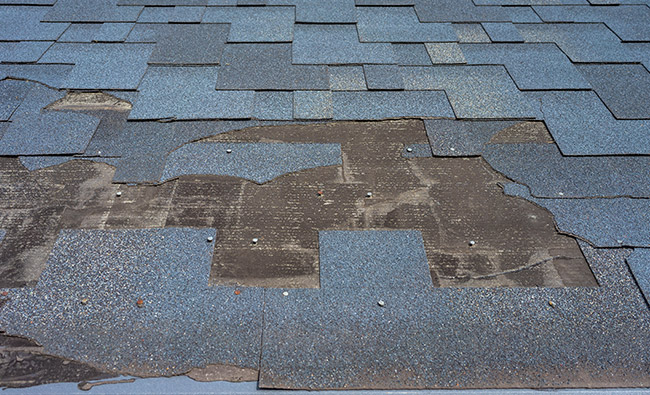
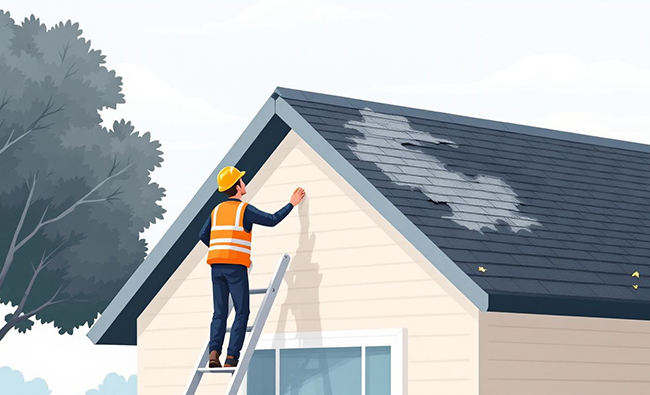
roofing contractor inspecting wind damage missing shingles on roof

Missing Shingles

Missing shingles directly indicate wind damage. High winds can strip away damaged shingles, compromising the integrity of the roofing system. This visible damage requires immediate attention to prevent leaks and further deterioration. A missing shingle can lead to significant issues if not addressed promptly, including loose shingles and damage to the roof.

Professional roof assessments conducted twice a year can detect signs of wind damage that may not be visible to homeowners.

Lifted or Curled Shingles

Lifted or curled shingles clearly indicate wind impact:

  • Windstorms can catch the edges of shingles, causing them to lift or curl.
  • This breaks the adhesive seal, creating a non-water-tight surface.
  • If left unrepaired, these shingles may eventually tear off entirely.
  • This situation necessitates a professional roof inspection to avoid a total roof replacement.

Granule Loss

Granule loss in asphalt shingles is a critical indication of wind damage. Granules in gutters suggest shingles have lost their protective layer, exposing the underlying material to wear and potentially compromising the roof’s integrity.

Gutter and Fascia Damage

Damage to gutters and fascia can indicate that wind has compromised the roof’s ability to shed water effectively. Heavy rainfall can exacerbate existing issues, leading to significant water damage. Take action if you see damage on the edge of your roof. Be sure to contact a professional roofing company for an assessment.

Steps to Take After Discovering Wind Damage
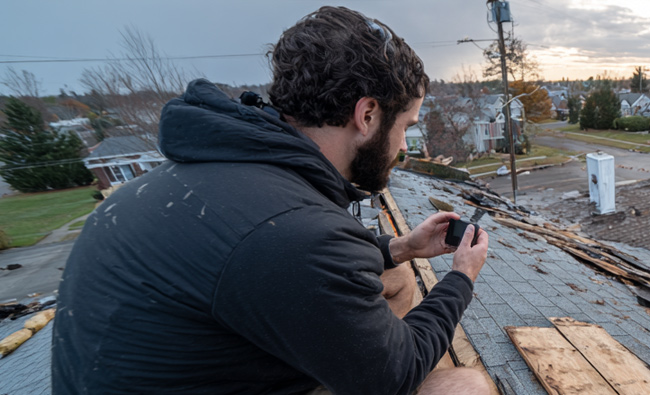
homeowner documenting wind damage to their roof

Discovering wind damage can be overwhelming, but immediate action is necessary to protect your home. Here are the steps to take:

  • Document the damage with photos and notes for insurance claims.
  • Contact your insurance company to file a claim.
  • Have a professional inspection to assess the damage and identify necessary repairs.

Acting quickly ensures a smooth claims process and prevents further damage.

Ensure Safety First

Before inspecting roof damage, check for hazardous conditions, such as unstable surfaces or falling debris, to ensure safety. Safety is paramount; consider using binoculars or a drone for a preliminary inspection if climbing onto the roof is unsafe.

Document the Damage

Thorough documentation is key to a successful insurance claim. Here are the important steps to follow:

  • Take clear photos and videos of the damage.
  • Keep detailed notes of affected areas.
  • Notify your insurance company promptly, as many policies have specific deadlines for reporting wind damage.

Maintaining organized records of all communications with your insurer enhances the efficiency of the claims process.

Contact Your Insurance Company

After discovering wind damage, contact your insurance agency promptly. Filing a claim should be your priority. Clear descriptions and evidence of the damage can expedite the claims process.

In addition to wind damage, many policies for home insurance also cover leaks. An insurance adjuster will assess all the damage and inform you of the coverage for repairs.

Repairing Wind Damage: Hiring a Professional Roofing Contractor
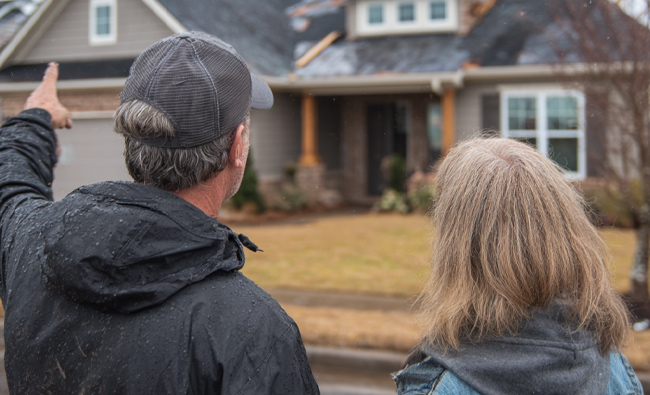
professional roofing contractor discussing repair options with a homeowner

Hiring a professional roofing contractor is essential for effective wind damage repair. These experts:

  • Possess the knowledge to assess and repair damage, ensuring safety and quality
  • Handle both minor and significant repairs
  • Provide damage assessments
  • Assist with insurance claims
  • Ensure that your roof repair is done correctly

Finding the Right Roofing Contractor

Selecting a reputable roofing contractor involves reviewing their previous work and customer reviews. Experience with local building codes is crucial for effective repairs.

A qualified contractor ensures that all damages are accounted for during the insurance adjuster’s assessment.

Getting Repair Estimates

Obtaining multiple repair estimates ensures the best coverage and helps avoid scams. A repair estimate includes a detailed action plan based on the contractor’s findings, with factors such as materials, size, and location influencing the cost.

Scheduling Repairs

Agree on the claim amount with the insurance company before starting repairs.

Once insurance approval is secured, coordinate with the contractor to schedule the repairs.

Preventing Future Wind Damage

Protective measures can significantly reduce the risk of wind damage to roofs. A comprehensive maintenance plan, regular inspections, and proactive strategies enhance the roof’s resilience against strong winds.

Regular Inspections
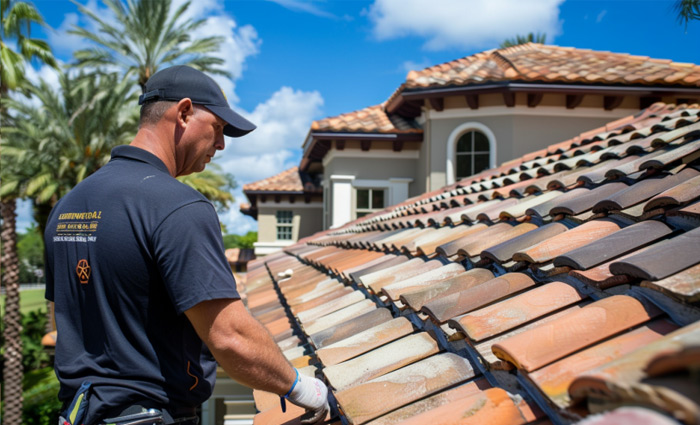
regular inspection and cleaning clay tile roofs

Periodic inspections enable homeowners to identify potential vulnerabilities before they escalate into severe issues. Annual inspections help spot minor problems that could escalate into major wind damage.

Strengthening Roofing Materials

High-quality and durable materials can strengthen a roof’s resilience against strong winds. Routine inspections identify wear and tear on roofing materials that may become vulnerable during high winds.

Maintaining Roof Vents and Gutters

Proper maintenance of roof vents and gutters prevents wind-related problems and ensures effective water drainage. Regular inspections and cleaning prevent clogged gutters, maintain the structural integrity of the roof, and avoid issues like pooling water.

The Role of Homeowners Insurance in Wind Damage

Homeowners insurance typically covers wind damage, a common cause of storm-related claims. Reviewing your insurance coverage policy to understand the specifics of your coverage is essential, as policies can vary significantly.

Qualified contractors may assist with the insurance claims process, potentially reducing out-of-pocket costs.

Understanding Your Coverage

Review your insurance policy beforehand to ensure adequate coverage for wind-related incidents. Examine your policy carefully to identify coverage limits and any exclusions related to wind damage.

Filing an Insurance Claim

Document the damage immediately with clear photos and detailed notes. Include this documentation when filing a claim and keep copies for your records.

A roofing contractor experienced with an insurance provider can assist with the claims process.

Navigating the Claims Process

To support your insurance claim:

  1. Take photos and notes of all visible damage.
  2. After documenting the damage, contact your insurance company to file an insurance claim and initiate the claims process.
  3. Provide all necessary documentation to your insurance company.

Wind Damage Summary

Unrepaired wind damage can quickly lead to costly problems. Understanding how to identify and repair wind damage, as well as taking preventive measures, can help protect your home from future storms. Proactive steps, like regular inspections and maintaining your roof, can save you from costly repairs. Stay vigilant, and ensure your roof remains a strong defense against the elements.

Frequently Asked Questions

How can I identify wind damage on my roof?

To identify wind damage on your roof, check for missing or lifted shingles, granule loss in the gutters, and any damage to the gutters and fascia. Ensuring these areas are intact is crucial for the roof’s integrity.

What should I do immediately after discovering wind damage?

Immediately ensure safety, document the damage with photos and notes, and contact your insurance company to initiate the claim-filing process. This proactive approach will help you address the issue effectively.

How can I prevent future wind damage to my roof?

To prevent future wind damage to your roof, conduct regular inspections and use high-quality roofing materials. Additionally, ensure that roof vents and gutters are well-maintained.

What role does homeowners’ insurance play in wind damage?

Homeowners’ insurance generally provides coverage for wind damage. It’s crucial to review your policy for the specific terms and conditions. Ensure you understand any limitations or exclusions that may apply to your coverage.

How do I choose the right roofing contractor for repairs?

Select a roofing contractor by verifying their reviews, evaluating their previous work, and confirming they are experienced with local building codes and insurance claims. This thorough approach will help ensure you hire a qualified professional for your repairs.

Roofing the Villages
(352) 293-2449

For the original version of this article visit: https://roofersthevillagesfl.com/wind-damage-roof-repair-prevention/


Saturday, December 28, 2024

Hail Damage Roofing Inspection Tips

Hailstorms can wreak havoc on your roof, leading to both visible and hidden damage. Knowing how to conduct a thorough hail damage roofing inspection can save you from costly repairs down the line. This article will guide you through essential steps and tips for inspecting your roof after a hailstorm, ensuring you spot and promptly address any damage.

hail damage roofing inspection

Key Takeaways

  • Prompt roof inspections after hailstorms are essential to identify damage early and prevent costly issues such as leaks and mold growth.
  • Common signs of hail damage include dents, cracks in shingles, missing shingles, and damage to gutters and vents; checking for this should be included in any inspection routine.
  • Professional roofing contractors offer expert evaluations of hail damage, and homeowners should document any damage for insurance claims to ensure fair compensation.

Understanding Hail Damage

Hail damage can severely affect the appearance and functionality of your roofing materials, sometimes necessitating complete roof replacement. Prompt inspection after a hailstorm is crucial to identify damage early and prevent further issues such as leaks and mold. Ignoring hail damage can lead to significant roof damage, water leaks, and mold growth, which are far more costly and damaging in the long run.

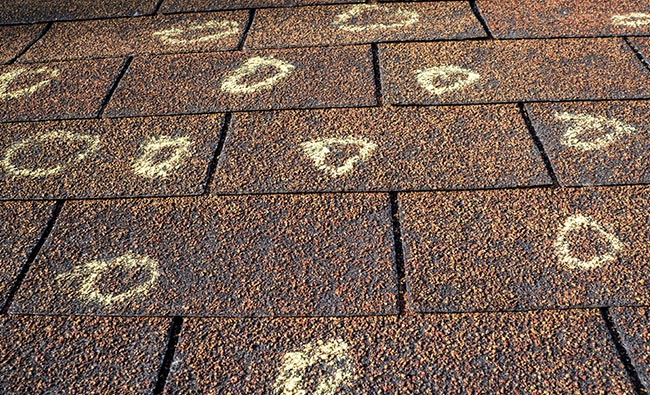
hail damage on roof shingles

Hailstones can crack shingles and create holes, allowing moisture to compromise the roof’s integrity. Homeowners and property owners should be aware that hail can lead to significant damage, requiring immediate roof inspections. Recognizing these impacts is the first step in effectively managing and mitigating hail damage.

What Causes Hail Storms?

Hail forms as small hail nuggets that grow larger as they move up and down within thunderstorm clouds. The updrafts within these clouds carry the hailstones upward, adding layers of ice each time they rise and fall until they become too heavy for the updrafts to support, leading them to fall to the ground. A hail storm typically occurs during severe thunderstorms with strong winds that facilitate the formation and growth of hailstones, which can reach damaging sizes of one inch or larger.

Even small hailstones can cause significant hail damage to vulnerable areas like shingles, gutters, and vents, especially roof damage. The largest recorded hailstone in Colorado had a diameter of 4.83 inches, demonstrating the potential for severe damage.

Comprehending the formation and impact of hailstones underscores the seriousness of storm damage and the need for timely inspections.

Common Signs of Hail Damage

Common signs of hail damage on roofs include:

  • Dents
  • Cracks in shingles
  • Missing shingles
  • Torn flashing

Homeowners might notice visible dents and potential leaks after larger hail impacts a roof. Hail damage can weaken shingles, leading to leaks and further damage if not promptly addressed. Visual signs of hail damage on shingles include knocked-off surface granules and damage from impact.

Dents can also be found on gutters, gutter screens, and downspouts, suggesting hail damage. Additionally, roof vents and other roof components like flashing and metal valleys may show signs of dents or damage from hail impact.

Inspecting siding and windowsills for dents or dings can also indicate hail damage and should be included in your inspection routine.

Conducting a Hail Damage Roof Inspection

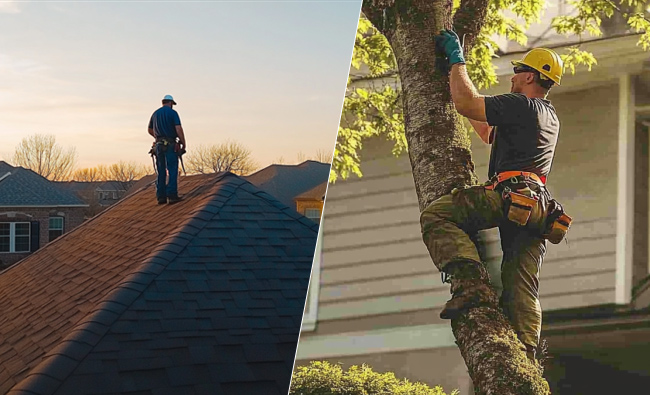
roofer inspecting a roof for hail damage

After a hailstorm, conducting a thorough roof inspection is essential to identify any obvious damage. Begin by visually inspecting your roof from the ground, looking for shingles, asphalt granules, fallen gutters, and other debris. Check for interior water damage in areas like the attic, living space ceilings, cabinets, and chimneys. Recognizing the types of hail damage—cosmetic and functional—is essential for assessing the overall impact on your roof.

For safety, use binoculars to check the roof condition without climbing up. Regular roof inspections, especially before hail season, can help identify vulnerabilities and prevent significant damage to your entire roof. Call a professional immediately if you find obvious damage to your roof.

Removing debris from your roof can also help prevent additional damage during hail events.

Safety Precautions

Always prioritize safety during a roof inspection by wearing proper safety gear and ensuring you have the necessary knowledge. Wear soft-soled shoes or roofing boots for safety when inspecting a roof for hail damage. It’s not recommended to get on your roof during an inspection unless you have experience in roof repair, as a lack of knowledge may lead to accidents.

To prevent potential injuries, avoid climbing onto your roof after a hailstorm. Expert help is available to ensure safe and thorough hail damage roof inspections.

Visual Inspection Checklist

After hail damage, inspect shingles, gutters, and roof vents for potential problems. Indicators of hail damage on shingles include missing shingles, granule loss, and hail marks suggesting compromised integrity.

During a gutter inspection, look for dents, dings, or sitting granules, as these can indicate damage. Check roof vents for dents and ensure they are not blocked; inspect flashing and metal valleys for hail impacts. A thorough visual inspection helps spot damage early and prevents further complications.

The Impact of Hail on Different Roofing Materials

Hail damage can result in both functional impairments and cosmetic issues on roofing materials. Functional hail damage affects the integrity and longevity of the roof, while cosmetic hail damage does not affect its performance. The impact of hail on roofing materials varies based on size, density, and the specific material’s characteristics.

hail damage different types of roofing materials

Asphalt Shingles

Signs of hail damage on asphalt shingles include bruised areas that resemble soft, black marks, pock marks or craters, and visible cracks or missing shingles. Hail can cause asphalt shingles to suffer from granule loss, exposing the underlying felt and increasing the risk of water damage and UV exposure.

Metal Roofing

Metal roofs are more durable than traditional asphalt shingles, providing better protection against hail damage. Dents on metal roofs can indicate hail impact, altering the roof’s appearance without necessarily compromising its integrity.

Wood Shingles

Hail can cause wood shingles to split, often resulting in cracks that may not show edge deterioration. Hail damage to wood shingles might include impact marks or dents, particularly near splits.

When to Call a Professional Roofing Contractor

If you observe visible damage after a severe hailstorm, engaging a professional contractor for a comprehensive evaluation is prudent. A roofer should review wind and hail damage immediately to prevent further issues.

It’s important for the contractor to inspect the roof with the insurance adjuster as the insurance company looks for reasons NOT to replace the roof. Call a professional contractor for a free roof inspection if you suspect hail damage.

Benefits of Professional Inspections

Professional roofing contractors provide expert assessments of hail damage. Professional inspectors can uncover damage that might not be visible to an untrained eye, ensuring thorough and accurate assessments.

At least two yearly professional inspections help identify vulnerabilities before they become serious issues. The National Roofing Contractors Association recommends bi-annual inspections for effective early detection of potential roofing issues.

Finding a Reputable Roofing Company

Seek out roofing inspectors with experience and a good reputation. Choose a reputable roofing contractor with experience in hail damage repairs.

Before hiring for hail damage assessments, verify a contractor’s credentials and insurance.

Navigating Insurance Claims for Hail Damage

homeowner discussing insurance claims for hail damage

The claims process can be complex, but it’s essential to understand homeowners insurance policies that often cover hail damage. Policies typically provide payment through a two-step process involving an initial Actual Cash Value payment and a subsequent depreciation payment.

Public adjusters work for policyholders independent of insurance companies. If you experience hail damage, it is advisable to call a public adjuster to assist with your insurance claim. Public adjusters advocate for policyholders in insurance claims to help secure fair compensation.

Documenting Damage

A camera is essential for documenting hail damage and ensuring safety during the inspection. Thorough photographs and detailed notes of roof damage are crucial when filing a claim. Roofing contractors document storm damage using photos and detailed notes.

Contractors can assist homeowners in inspecting and documenting hail damage if needed. If damage is found during the inspection, contractors provide pictures of the damage to submit to the insurance company.

Working with Your Insurance Company

Homeowners must inform their insurance provider promptly after noticing damage to initiate the claims process.

Role of Public Adjusters

Public adjusters are independent advocates for policyholders, helping them navigate the claims process effectively. They help negotiate a fair deal with the insurance adjuster to ensure adequate compensation for the damage. Public adjusters may charge a fee based on a percentage of the claim amount, which can impact the funds available for repairs.

Public adjusters guide homeowners through the entire insurance claims process, ensuring fair compensation.

Preventing Future Hail Damage

Routine maintenance identifies and addresses potential roof issues before they become significant problems. Impact-resistant materials minimize damage during future hail storms, adding an extra layer of protection for your roof.

Trimming trees near your roof can prevent branches from causing damage during hail storms. Storm shutters effectively protect windows and parts of your home from hail impact.

Regular Roof Maintenance

Regular inspections and maintenance ensure your roof can withstand hail storms and other damaging weather. Regular roof maintenance is crucial as it identifies and repairs potential problems before they lead to significant damage.

preventative hail damage steps

Regular roof maintenance involves inspecting for damage, cleaning gutters and downspouts, and repairing loose or damaged shingles. Trimming trees and shrubs around your property can prevent falling branches during hail storms, contributing to roof maintenance.

Impact-Resistant Roofing Materials

Impact-resistant roofing materials are engineered to endure hailstone hits and protect against such weather events. Using impact-resistant roofing materials prevents hail damage in the long term.

Concrete tiles are a durable option for impact-resistant roofing, lasting for many years.

Additional Protective Measures

Trim trees or shrubbery around your home to prevent falling branches from causing roof damage during hail storms. Storm shutters made of metal or wood provide effective protection against hail impact. Implementing additional protective measures can significantly mitigate potential hail damage to your roof.

Proactive steps like trimming trees and installing storm shutters safeguard your roof from hail damage.

Hail Inspection Summary

In conclusion, understanding and addressing hail damage is crucial for maintaining the integrity and longevity of your roof. Prompt inspections after a hailstorm, recognizing the signs of damage, and knowing when to call in professionals can save you from costly repairs and further complications. Different roofing materials respond to hail damage in various ways, and being aware of these differences can help you make informed decisions about your roofing needs.

Preventing future hail damage involves regular roof maintenance, using impact-resistant materials, and implementing additional protective measures. By staying proactive and informed, you can protect your home from the devastating effects of hailstorms and ensure your roof remains strong and durable for years to come.

Hail Damage Frequently Asked Questions

What are the first signs of hail damage on my roof?

The first signs of hail damage on your roof often include dents and cracks in shingles, as well as missing shingles and torn flashing. Additionally, look for dents on gutters, roof vents, and downspouts as further indicators of potential damage.

How can I safely inspect my roof for hail damage?

To safely inspect your roof for hail damage, use binoculars from the ground for a preliminary assessment, and only climb onto the roof if you have the proper knowledge and safety measures in place. Always prioritize your safety during the inspection.

When should I call a professional roofing contractor?

You should call a professional roofing contractor after severe weather events, like hailstorms, or if you notice visible damage to your roof. It’s essential to get a thorough evaluation to ensure your roof’s integrity.

How do I document hail damage for an insurance claim?

Documenting hail damage for an insurance claim requires taking clear photographs and detailed notes of the damage. If you cannot do it yourself, consider hiring contractors to assist with the inspection and documentation for submission.

What preventive measures can I take to protect my roof from future hail damage?

To protect your roof from future hail damage, implement regular maintenance, opt for impact-resistant roofing materials, trim surrounding trees, and consider installing storm shutters. These measures will help safeguard your roof effectively.

Roofing the Villages
(352) 293-2449

For the original version of this article visit: https://roofersthevillagesfl.com/hail-damage-roofing-inspection-tips/

Roof Types for Insurance

Your roof does more than keep the rain out. For insurance companies, it’s one of the first things they evaluate when deciding how much to ch...