Showing posts with label Composition Roof. Show all posts

Thursday, September 25, 2025

Shingle Roof Maintenance Tips

Shingle roof maintenance is crucial for preventing costly repairs and extending the life of your roof. In this article, we’ll cover everything you need to know, including regular inspections, common problems like shingle damage and granule loss, and tips for keeping your roof in top shape.
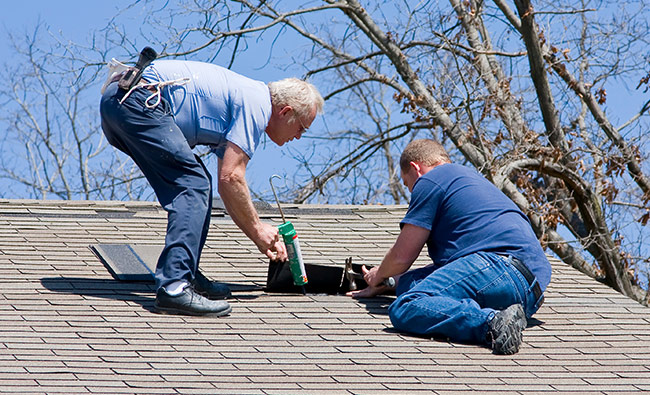
shingle roof maintenance

Key Takeaways

  • Regular inspections, both by homeowners and professionals, are crucial for identifying shingle damage and preventing costly repairs.
  • Maintaining a clean roof and effective gutter systems helps prevent rot, mold growth, and water damage, extending the roof’s lifespan.
  • Promptly addressing repairs, considering upgrades like FORTIFIED™ standards, and choosing durable materials enhances roof resilience and protects property value.

Regular Roof Inspections

Regular roof inspections are the cornerstone of effective roof maintenance. Homeowners should:

  • Conduct inspections at least twice a year, ideally in the spring and fall.
  • Identify issues early to help prevent costly repairs and extend the roof’s lifespan.
  • Perform routine checks to uncover hidden issues that might be overlooked during casual observations.

Investing in annual inspections by professionals is equally important. A professional roof inspection can detect potential problems before they escalate into major issues, providing you with a detailed evaluation of your roof’s condition. Homeowners who tackle minor repairs promptly preserve the roof’s integrity and prevent expensive structural damage.
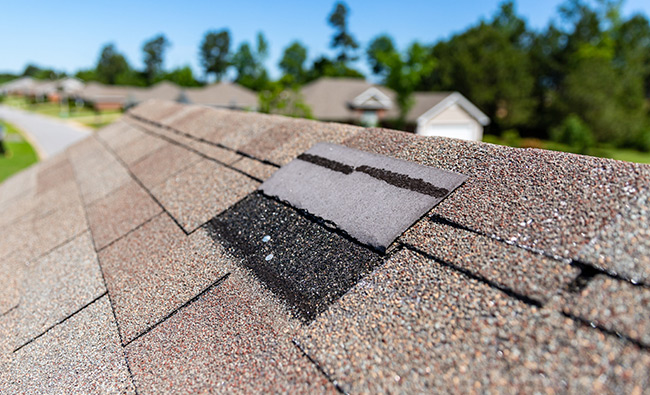
professional roofer inspecting an asphalt shingle roof

Shingle Damage

If your property is covered with composition roofing shingles, one of the most common issues you’ll encounter during a roof inspection is shingle damage. Look for signs of wear such as:

  • Cracked shingles are vulnerable to water seepage, which can weaken the roof structure if not repaired.
  • Curled shingles indicate aging or poor ventilation and leave the roof more susceptible to wind and water damage.
  • Missing shingles create openings that may cause leaks and lead to structural problems; regular inspections and prompt replacement help maintain roof integrity.
  • Black streaks on asphalt roofs are primarily caused by the growth of algae, which thrive in warmer, humid conditions like Florida and can deteriorate shingles over time.

Suppose you notice missing shingles. It’s essential to call a roofing contractor to assess the situation and perform the necessary repairs. Ignoring these signs can result in significant roof damage over time, leading to more expensive repairs. Keep an eye on your roof’s condition and act swiftly to ensure its longevity and resilience.

Granule Loss

Granules on the shingle surface play a vital role in protecting the roof from UV rays and contributing to its fire resistance. Excessive roofing granule loss can be a sign of aging shingles and may indicate the need for replacement due to UV degradation.

Check your gutters and downspouts for accumulated granules, as this can be a clear indicator of granule loss. Addressing granule loss early can help maintain the integrity of your roof and prevent further damage.

Flashings and Valleys

Flashings and roof valleys are critical areas that require regular inspection and maintenance to ensure optimal performance. Properly sealed flashings prevent water infiltration, protecting your home from leaks and water damage. Regularly checking and maintaining these areas can prevent extensive water damage and ensure the roof’s longevity.

If you’re unsure about the condition of your flashings and valleys, consider hiring a roofing professional to assess and repair them.

Keep Your Roof Clean
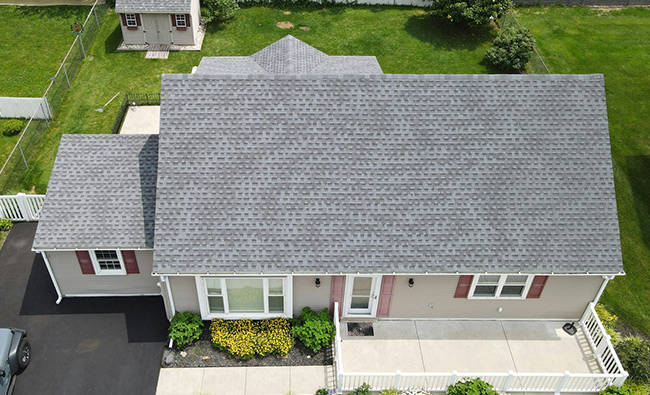
clean and well-maintained roof with clear gutters

A clean roof is essential for preventing rot, mold growth, and premature deterioration. Built-up debris can trap moisture, leading to significant damage over time. To keep your roof clean, use a soft brush or leaf blower to remove leaves, branches, and other debris. It is best to avoid pressure washers. They can damage the shingles and shorten the lifespan of the roof.

For roofs affected by moss or algae, it’s best to hire professionals for proper cleaning. These experts have the right tools and knowledge to clean your roof without causing damage. Maintaining a clean roof is a simple yet effective way to extend its life and ensure it remains in top condition.

Remove Debris

Regularly clearing accumulated debris, such as leaves and branches, and loose debris from the roof shingles is crucial for its maintenance. If left unchecked, debris can puncture shingles or cause blockages in the gutters, leading to water damage.

Regular trimming of overhanging branches can prevent them from scraping the shingles and causing premature wear and leaks. By keeping your roof free of debris, you can avoid these potential issues and maintain a healthy roof.

Moss and Algae Control

Moss and algae growth on the roof can trap moisture and lead to damage if not addressed, especially in an area prone to such issues. To prevent this, install zinc or copper strips near the roof ridge, as these metals inhibit the growth of moss and algae.

To maintain your roof effectively:

  • Regularly check for signs of moss growth, especially in shaded areas.
  • Use appropriate moss and algae control products.
  • Remove moss early to prevent moisture retention and prolong the life of your roof.

Gutter Maintenance
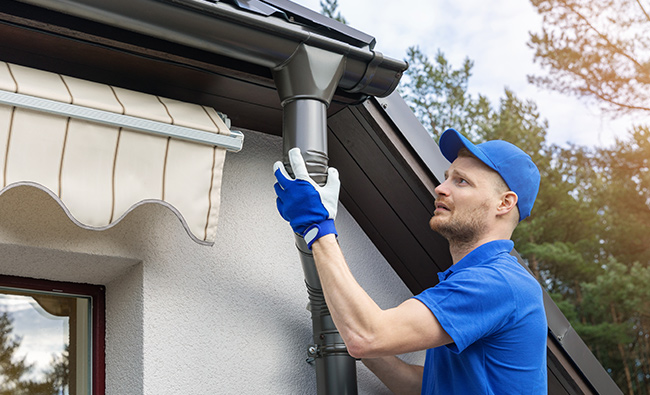
a gutter system during maintenance

Gutter maintenance is a critical aspect of roof maintenance. Clogged gutters can cause water to pool at the edge of the roof, leading to moisture seeping into the fascia boards, under the shingles, and into the roof deck. Regularly cleaning gutters every three months, especially if there are trees nearby, ensures proper drainage and prevents water damage to both the roof and the foundation.

Overhanging branches can obstruct gutters, leading to debris accumulation and potential roof damage. Keeping gutters clean and functional is essential for maintaining the overall health of your roof and avoiding costly repairs.

Clear Gutters and Downspouts

Clearing gutters and downspouts of leaves, debris, and obstructions is essential for maintaining proper water drainage. Regularly digging out leaves and organic matter ensures that water flows freely through the gutters, preventing blockages and potential water damage.

By keeping your gutters clean, you can avoid these issues and maintain a healthy roof.

Inspect for Damage

Inspecting gutters for signs of sagging, rust, or separation from the house is crucial to prevent water damage. After severe weather, check for any leaky connections and use gutter caulking, a gutter patching kit, or roofing cement to repair any damage.

Regular inspections and timely repairs ensure that your gutters remain functional and protect your roof from water infiltration.

Trim Overhanging Branches

Trimming overhanging branches regularly helps prevent roof damage caused by falling limbs and reduces the amount of debris that collects on the roof. Keeping tree branches at least 6 to 10 feet away from the roof minimizes the risk of physical damage and debris buildup. By maintaining a safe distance between tree branches and the roof, you can protect your roof from potential harm and extend its lifespan.

Hiring a certified arborist is advisable for managing large trees or those that are difficult to reach for safe trimming. Professional tree care includes pruning techniques such as:

  • Crown raising – removing lower branches to increase clearance.
  • Thinning – selectively removing branches to improve airflow and reduce weight.
  • Reduction – trimming back branches to decrease the tree’s size and maintain its structure.

Safe Trimming Practices

Maintaining a distance of 6-10 feet between tree branches and roofs is crucial to avoid potential roof damage. Safe trim branch practices involve using the right tools and techniques to prevent injury and ensure the health of the trees.

Regular maintenance and trimming of overhanging branches help keep your roof in tip-top shape and prevent damage.

Professional Help

Consider hiring a professional arborist for larger trees or difficult-to-reach branches to ensure safe and effective trimming. Professionals have the expertise and equipment to manage tree care safely, reducing the risk of damage to the roof and surrounding property.

Address Repairs Promptly
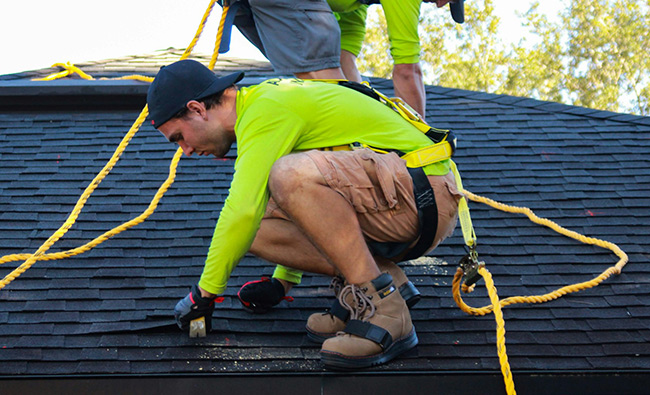
roofing professional repairing loose shingles on a roof

Promptly addressing roof repairs is essential to prevent minor roof issues from escalating into major problems. Over time, neglecting repairs can result in serious structural damage. It is important to address repairs promptly to avoid these issues. Regular maintenance and timely repairs help prevent costly repairs and maintain the roof’s integrity. Professional roofers can detect potential hazards during their assessments that homeowners might overlook.

A detailed evaluation by a roofing expert can identify wear and tear that may necessitate immediate repairs. Upgrading to FORTIFIED™ standards can significantly reduce the frequency of roof repairs and improve storm resistance. By addressing repairs promptly and considering upgrades when necessary, you can ensure the longevity and resilience of your roof.

Fix Loose Shingles

Using roofing cement to secure loose shingles enhances their stability and prevents them from being blown off by high winds. Promptly repairing or replacing missing or damaged shingles is crucial for maintaining the roof’s integrity.

Regular inspections and timely repairs of loose shingles help avoid costly repairs and extend the roof’s lifespan.

Repair Flashing and Sealants

Inspect the caulking around roof flashings during seasonal checks to ensure they are intact and effective against leaks. Replace loose or rotten metal flashing using roofing cement and nails to maintain proper sealing and prevent water intrusion.

Regular maintenance of flashings and sealants is essential for preventing water leaks and maintaining the roof’s integrity.

Ensure Proper Ventilation

Proper attic ventilation is crucial for preventing heat and moisture buildup that can damage shingles and the roofing system. Good attic ventilation prevents heat damage, mold growth, and ice dams, ensuring a healthy roof year-round. Ridge vents, gable vents, and soffit vents are common forms of attic ventilation. These options help to improve air circulation in the attic space. Regularly check for condensation inside the attic or ice dams, as these may indicate the ventilation system needs maintenance.
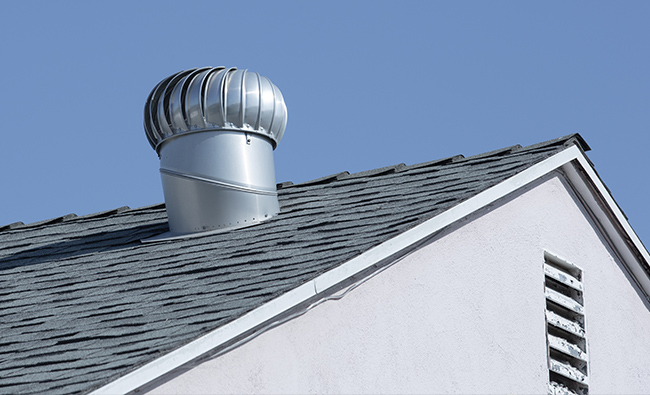
adequate roof and attic ventilation

Inadequate attic ventilation can lead to costly repairs and damage to the roofing system. Proper ventilation can also help reduce cooling costs in the summer by maintaining a balanced airflow. By ensuring proper ventilation, you can protect your roof and extend its lifespan.

Check Soffit Vents

Soffit vents are essential for promoting airflow in the attic, helping to regulate temperature and moisture levels. Blocked soffit vents can prevent essential airflow, leading to increased attic temperatures and moisture problems.

Keeping soffit vents clear and functional is crucial to extending the roof’s lifespan and preventing structural damage.

Install Roof Vents

Installing roof vents can help create a balanced airflow, reducing heat buildup and moisture in the attic. If your attic feels excessively hot or has a damp smell, it may indicate potential ventilation issues, and installing or repairing ridge and soffit vents can address these problems.

Proper attic ventilation is crucial for preventing heat buildup and moisture issues, thereby ensuring a healthy roof.

Prepare for Winter

Preparing your roof for winter is crucial to prevent damage from heavy snow and ice. Adequate attic ventilation helps by:

  • Maintaining a cooler attic in summer
  • Keeping the attic drier in winter
  • Reducing the risk of ice dams and structural damage. Poor ventilation can lead to excessively high attic temperatures, which can cause damage to roofing materials and reduce the roof’s lifespan.

Excessive snow and ice can add significant stress to roofs, making snow removal essential. An ice dam is a barrier that prevents melted snow from draining, which can lead to water infiltration and damage. Removing ice dams is important to protect the home’s structural integrity and avoid costly repairs.

Remove Snow Safely

Using a roof rake is recommended to safely eliminate snow from the roof for the following reasons:

  • It minimizes the weight on the roof.
  • It reduces the chance of ice dams.
  • Removing heavy snow helps maintain the integrity of the roof.
  • It prevents damage caused by excessive weight and ice formation.

Safely removing snow promotes proper drainage and protects the roof from potential harm.

Prevent Ice Dams

Proper insulation in the attic reduces strain on the roof and helps prevent the formation of ice dams. Clearing snow from eaves and gutters helps reduce the formation of ice dams and ensures proper drainage.

Heating cables can be installed along eaves to maintain clear drainage areas and prevent ice buildup.

Professional Roof Inspections
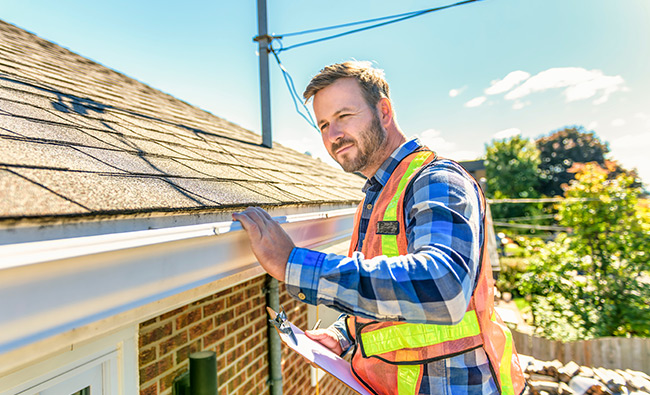
professional roofer conducting a post-storm roof inspection

Scheduling annual professional roof inspections helps maintain roof history and track repairs over time. Key points to consider include:

  • Spotting signs of deterioration on the roof should prompt a professional roof inspection to address issues before they escalate.
  • Professional roof inspections are advised at least once a year to ensure the roof remains in top condition.
  • If you’re uncomfortable inspecting flashings or other critical areas, it’s best to hire a trusted roofing service.

A professional roofing contractor can provide a thorough assessment of your roof’s condition and recommend necessary repairs to extend its lifespan. Regular professional inspections help identify potential problems early, ensuring that your roof remains healthy and functional.

Expert Assessment

A professional roofing contractor can provide a thorough assessment of your roof’s condition, evaluating key components for any signs of wear, damage, or potential issues. Based on the evaluation, roofing contractors can recommend necessary repairs to extend the lifespan of your roof and maintain its integrity.

This expert evaluation ensures that minor problems are addressed before they become major issues.

Post-Storm Inspections

Scheduling inspections after storms is crucial to identifying and addressing any damage promptly. A professional roofing contractor can provide a thorough assessment of your roof’s condition and recommend necessary repairs to maintain its functionality and prevent structural damage.

Post-storm visual inspection helps catch issues that may be missed during routine checks, ensuring the roof remains in excellent condition.

Upgrade When Necessary

Knowing when to upgrade your roof is critical for maintaining your home’s integrity and value. Asphalt shingles should be replaced after 15 years, while the average lifespan of a roof can range from 25 to 50 years, depending on the materials used. Regular roof maintenance adds home value and saves money over time by preventing significant wear and avoiding costly repairs. Committing to a consistent maintenance schedule protects the roof’s lifespan and your property investment.

Applying protective coatings and sealants can extend your roof’s life span and protect against UV damage, water intrusion, and weathering. By upgrading to more durable roofing materials or considering FORTIFIED™ roofing standards, you can enhance your roof’s resilience against extreme weather and reduce the frequency of repairs.

Roofing Materials

If you live in a warmer climate that is prone to frequent storms, you should prioritize roofing materials that offer durability, weather resistance, algae resistance, and energy efficiency. Choosing the best roofing shingles and durable roofing materials is essential for providing long-lasting protection for your home. Consider the following options:

  • Slate, tile, and metal roofs can benefit from additional protective coatings to enhance their durability.
  • Impact-resistant shingles are a top choice for durable and protective roofing.
  • Galvanized steel is another top choice for durable and protective roofing.

Opting for these materials can lead to lower maintenance needs and increased longevity of your roof.

Tip: Click for the best roofing shingles for The Villages, Florida.

FORTIFIED™ Standards

Upgrading to FORTIFIED™ standards can significantly enhance your roof’s resilience against extreme weather events. This program requires specific installation practices that prevent water intrusion, especially in high-wind conditions.

By choosing durable materials such as impact-resistant shingles or galvanized steel, you can ensure that your shingle roof is securely attached and better protected.

Shingle Roof Maintenance Summary

Maintaining a shingle roof involves a combination of regular inspections, cleaning, prompt repairs, proper ventilation, and professional assessments. By following these tips, you can extend the lifespan of your roof, prevent significant damage, and avoid costly repairs. Remember, a proactive approach to roof maintenance not only protects your home but also adds value to your property. Take the necessary steps today to ensure your roof remains in excellent condition for years to come.

Roof Maintenance Frequently Asked Questions

How often should I inspect my roof?

You should inspect your roof at least twice a year, preferably in the spring and fall, and arrange for a professional inspection annually. Regular inspections help maintain the integrity of your roof and prevent costly repairs.

What are the common signs of shingle damage?

The common signs of shingle damage are cracked, curled, or missing shingles, which may result in leaks and additional structural harm if not addressed promptly.

How can I prevent moss and algae growth on my roof?

To effectively prevent moss and algae growth on your roof, install zinc or copper strips near the ridge and monitor for growth, particularly in shaded areas. This proactive approach will help maintain the integrity of your roof.

Why is gutter maintenance important for maintaining a healthy roof?

Gutter maintenance is essential to safeguard roof health and prevent water damage caused by clogged systems, which can lead to moisture issues in fascia boards, shingles, and the roof deck. Regular upkeep helps ensure proper water drainage, preserving the integrity of your roofing structure.

When should I consider upgrading my roof?

You should consider upgrading your roof when it reaches the end of its lifespan, typically after 15 years for asphalt shingles or between 25 and 50 years for other materials. Timely upgrades are essential for maintaining your home’s integrity and value.

Roofing the Villages
(352) 293-2449

For the original version of this article visit: https://roofersthevillagesfl.com/shingle-roof-maintenance-tips/

Tuesday, January 28, 2025

Rolled Roofing vs Shingles

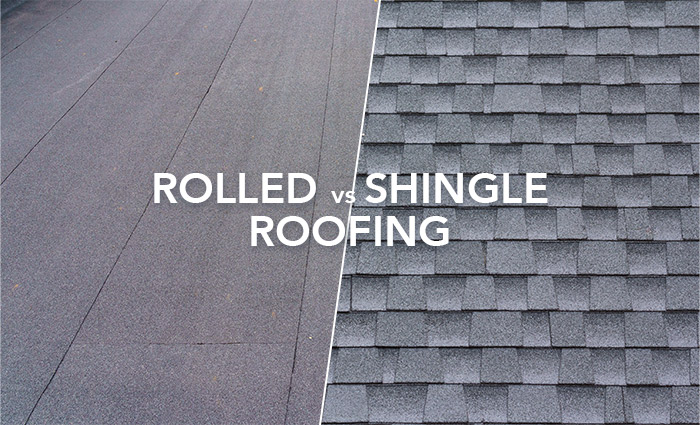
Deciding between rolled roofing and shingles depends on understanding their benefits and key differences. Rolled roofing is cheaper and easier to install, perfect for low-slope roofs and non-residential buildings. Asphalt shingles, on the other hand, are more durable and visually appealing, making them ideal for homes. This article will compare the two in terms of cost, durability, application, and maintenance to help you choose the best option.

rolled roofing vs shingles roofing

Key Takeaways

  • Rolled roofing is a cost-effective, easy-to-install option primarily suitable for low-slope roofs and unoccupied structures, but it has a shorter lifespan and limited aesthetic appeal.
  • Asphalt shingles provide greater durability and aesthetic versatility, making them ideal for residential homes; they typically have a longer lifespan than rolled roofing and come at a higher initial cost.
  • When selecting roofing materials, key considerations include budget, installation ease, aesthetic preferences, and long-term maintenance and durability.

Overview of Roofing Materials

Rolled roofing and asphalt shingles are two of the most popular choices for residential roofing, each offering distinct advantages. Both are affordable and easy to install, making them ideal for various applications. Rolled roofing is particularly well-suited for low-slope or flat roofs, often used on unoccupied structures like sheds and garages. On the other hand, asphalt shingles are favored for pitched roofs, providing durability and curb appeal for more traditional homes.

Conversely, asphalt shingles are preferred for their versatility, durability, and aesthetic appeal. They adapt to various roof shapes and slopes, offering a durable solution that endures various weather conditions. Factors such as local climate, budget, and personal aesthetic preferences play a significant role in determining which roofing material is the best fit for a particular project.

Grasping the fundamental differences between these roofing options enables a detailed comparison. Each material has its strengths and weaknesses, aiding in a more informed decision for your home.

Characteristics of Rolled Roofing

Rolled roofing is a practical option, particularly for those seeking a cost-effective and simple installation. Commonly used as a temporary fix for low-slope roofs, its simplicity and affordability make it suitable for various applications despite some limitations. Additionally, the roll roof can be an effective choice for similar scenarios.

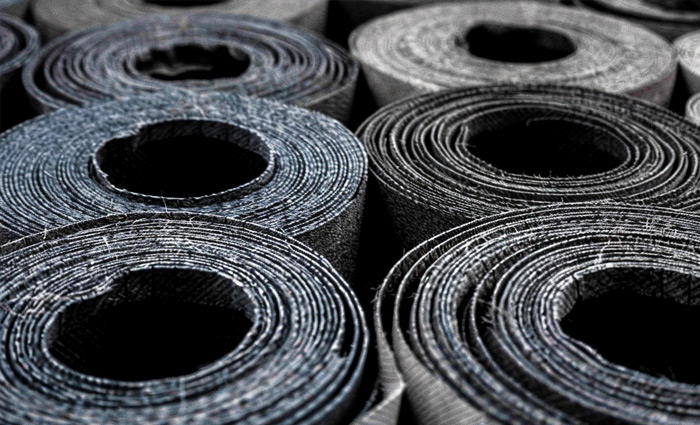
roll roofing materials

What is Rolled Roofing?

Rolled roofing is a durable and lightweight rolled roofing material that is sold in large rolls. These rolls typically cover about 100 square feet and have a width ranging from 36 to 39 inches. The material itself is composed of oil-based asphalt, reinforced fiberglass, and mineral granules, providing a robust and weather-resistant surface. However, the cons of rolled roofing are that it is unsuitable for roofs with a pitch steeper than 2:12 due to potential drainage issues.

Though less aesthetically pleasing than other materials, its durability and ease of installation make it a practical choice. This simplicity often leads to lower costs and quicker installations, appealing to budget-conscious homeowners.

Applications of Rolled Roofing

Rolled roofing is frequently used for unoccupied buildings like sheds, carports, and workshops due to its cost-effectiveness. Its simple installation and low cost make it suitable for these structures, though it is rarely recommended for residential homes due to aesthetic and drainage concerns.

Typical applications include sheds, treehouses, barns, and other uninhabited outbuildings where aesthetics are less of a concern. Although a quick and economical solution, it’s crucial to consider the downsides of rolled roofing, particularly if seeking a long-term, visually appealing option.

Characteristics of Asphalt Shingles

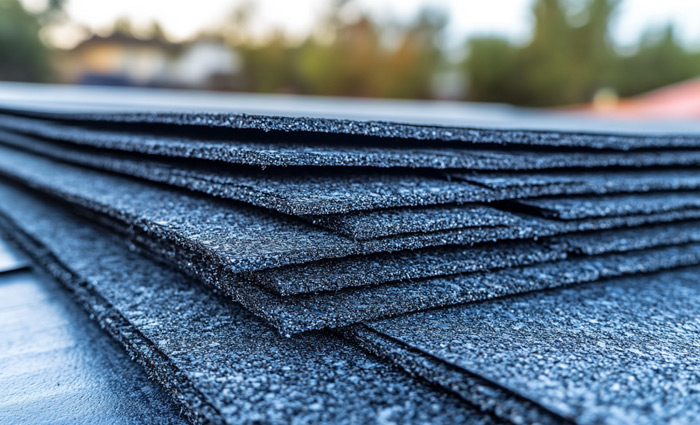
Asphalt shingles, often called composition shingles, are widely used in residential roofing for their versatility and durability. Composed of a fiberglass base, asphalt coating, and ceramic granules, they offer a robust, weather-resistant solution.

Unlike rolled roofing, asphalt shingles consist of individual overlapping elements, usually flat and rectangular, which can be customized to fit almost any shingle roofing pitch.

asphalt shingles

Types of Asphalt Shingles

Several types of asphalt shingles are available, each offering unique style, cost, and durability benefits. Common types include three-tab shingles, architectural shingles, and premium shingles. Three-tab shingles are cost-effective and simple, popular among budget-conscious homeowners. Architectural shingles offer enhanced durability and aesthetics, providing a more appealing, longer-lasting solution.

Relatively easy to install without special tools, asphalt shingles can reduce installation costs. Their wide range of styles, colors, and textures allows for customization to fit personal aesthetic preferences.

Applications of Asphalt Shingles

Asphalt shingles are ideal for residential homes and are versatile and suitable for most roof shapes, slopes, and climates. They offer a durable and visually appealing solution, with architectural shingles lasting between 30 and 50 years, significantly outlasting standard shingles.

Their broad application range and diverse designs make asphalt shingles popular for enhancing aesthetic appeal and durability. Whether opting for budget-friendly three-tab shingles or premium architectural shingles, asphalt shingles meet nearly every roofing need.

Cost Comparison: Rolled Roofing vs Shingles

Cost is a significant factor when choosing between rolled roofing and asphalt shingles. Rolled roofing is generally cheaper in both material and installation, appealing to budget-conscious homeowners.

However, long-term costs, including maintenance and replacement, should be considered as they can accumulate over time.

Rolled Roofing Cost

Typically, installing rolled roofing costs between $1.50 and $3.00 per square foot. Professional installation may raise this to $2.50 to $5.00 per square foot. Additionally, removing an existing roof can cost between $2.50 and $5.50 per square foot.

Modified bitumen roofing, a more durable type of rolled roofing, costs $3 to $5 per square foot for new installations and $4 to $8 per square foot when removing an existing roof.

Asphalt Shingle Costs

The cost of asphalt shingles varies widely based on type and quality. Here’s a breakdown of the costs:

  • Low-end shingles: $3 to $4 per square foot
  • Architectural shingles (offering enhanced durability and aesthetics): $4 to $8 per square foot
  • High-end shingles (providing premium quality and a longer lifespan): $6 to $12 per square foot

Although generally more expensive than rolled roofing, the longer lifespan and higher durability of asphalt shingles can make them more cost-effective in the long run.

Durability and Lifespan

durability and lifespan of roofing materials

Durability and lifespan are crucial factors in roofing materials. Rolled roofing is generally less durable than asphalt shingles, making it a short-term solution for many.

Conversely, asphalt shingles offer greater durability and can withstand various weather conditions, including extreme temperature changes, high winds, and hail.

Rolled Roofing Lifespan

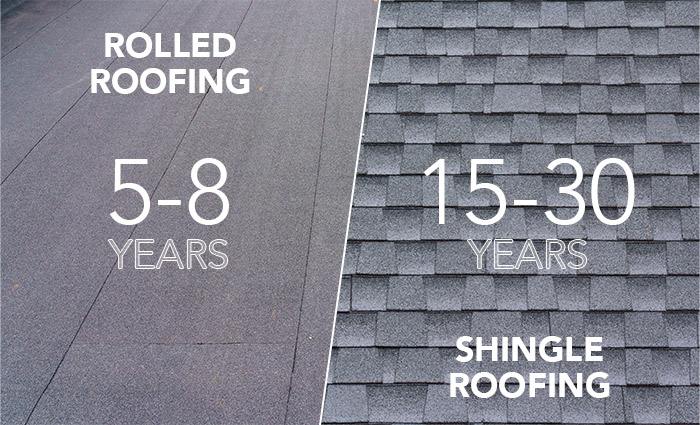
Rolled roofing typically lasts between five to eight years. Regular inspections and maintenance can extend this lifespan, ensuring effective performance. It is mainly recommended for unoccupied structures, which can prolong its effectiveness.

Given its shorter lifespan, rolled roofing is generally viewed as a temporary solution rather than a long-term investment.

Asphalt Shingle Lifespan

Asphalt shingles are built to withstand various weather conditions, including heat, sunlight, and freezing temperatures. Their expected lifespan ranges from 15 to 30 years, with premium architectural shingles capable of lasting between 30 and 50 years. This longer lifespan makes them a more durable, long-term solution compared to rolled roofing.

Regular maintenance and occasional repairs help asphalt shingles maintain their durability and longevity.

Aesthetic Appeal and Style Options

Aesthetic appeal and style options significantly influence a homeowner’s decision. Rolled roofing is generally perceived as less visually appealing than traditional shingles.

Visual Appeal of Rolled Roofing

Rolled roofing has aesthetic limitations, with limited style and color options, typically available in black, white, tan, gray, and green. Modified bitumen may come with or without a mineral coating, impacting its appearance.

These limitations make rolled roofing a less attractive option for residential homes, especially compared to other roofing materials.

Style Variety in Asphalt Shingles

Asphalt shingles come in a diverse array of designs, allowing homeowners to achieve unique looks with various textures and styles. This variety makes asphalt shingles popular for enhancing a home’s aesthetic appeal.

aesthetic appeal of roofing styles

Installation Process

The installation process is an important factor for homeowners. Rolled roofing can be installed over existing roofs if properly prepared, often within a few hours, making it a quick and easy solution. This simplicity often results in lower costs and less time compared to shingles.

Installing Rolled Roofing

Rolled roofing suits low-sloped roofs but is not recommended for flat roofs due to potential leaks. It can be easily installed by DIY enthusiasts, making it popular for saving on installation costs. It can be installed over existing shingles if the surface is prepared correctly.

The process involves applying a primer or sealer to the wood surface to prevent leaks. The simplicity of rolled roofing installation often doesn’t require nails.

Installing Asphalt Shingles

The installation of asphalt shingles is more complex compared to other materials. Professional help is often recommended due to the complicated procedures involved.

Maintenance Requirements

Maintenance is crucial for ensuring the longevity and performance of roofing materials. Rolled roofing requires regular inspections to detect and address potential environmental damage.

Maintaining Rolled Roofing

Regular cleaning of rolled roofing is necessary to remove dirt and debris and maintain integrity. Treatment may be needed to combat moss and algae growth, especially in shaded and damp environments.

Regular maintenance is essential for ensuring the longevity of rolled roofing.

Maintaining Asphalt Shingles

Routine inspections of asphalt shingles help catch and repair issues early. Cleaning gutters and downspouts to prevent water buildup protects shingles from water damage.

Basic tools can easily repair damaged asphalt shingles, making maintenance straightforward.

Environmental Impact

The environmental impact of roofing materials is significant for many homeowners. They take about 300 years to decompose in landfills, significantly contributing to waste, with a recycling rate of only about 1%.

In contrast, rolled roofing generates less waste due to its cut-to-size capability. A protective coating can extend its lifespan by enhancing resistance to UV damage and water.

Making an Informed Decision

Choosing between rolled roofing and asphalt shingles requires considering several factors. Budget is often primary, with rolled roofing being initially more cost-effective. However, personal aesthetic preferences are crucial; many find asphalt shingles more visually appealing.

The decision should also weigh the pros and cons of each material. Rolled roofing is easier to install and cheaper but has a shorter lifespan and fewer style options. Though more expensive, asphalt shingles offer a longer lifespan, better durability, and greater aesthetic flexibility. Assessing these factors based on your specific needs will guide an informed decision.

Roll Roofing vs Asphalt Shingle Summary

In summary, both rolled roofing and asphalt shingles have their unique advantages and disadvantages. Rolled roofing is ideal for temporary solutions and unoccupied structures due to its low cost and easy installation. However, its shorter lifespan and limited aesthetic appeal make it less suitable for residential homes.

On the other hand, asphalt shingles offer greater durability and a wide range of styles, making them a popular choice for residential roofs. While they are more expensive initially, their longer lifespan and lower maintenance needs can make them a more cost-effective choice in the long run. Ultimately, the right choice depends on your specific needs, budget, and aesthetic preferences.

Roll Roofing vs Shingle Frequently Asked Questions

What is the main difference between rolled roofing and asphalt shingles?

The main difference between rolled roofing and asphalt shingles is that rolled roofing is a single sheet designed for low-slope roofs and temporary use, whereas asphalt shingles are individual overlapping pieces that provide enhanced durability and a wider range of aesthetic choices.

How long do asphalt shingles typically last?

Asphalt shingles typically last between 15 to 30 years, while premium architectural shingles can last up to 50 years under ideal conditions. Proper maintenance and climate factors significantly influence their longevity.

Can rolled roofing be installed over existing shingles?

Yes, rolled roofing can be installed over existing shingles if the surface is adequately prepared to ensure proper adhesion. Proper installation will provide a durable roofing solution.

What are the maintenance requirements for rolled roofing?

Regular inspections to remove debris and monitor for damage are essential for maintaining rolled roofing. Additionally, treatment for moss and algae growth may be required in damp conditions.

Are asphalt shingles environmentally friendly?

Asphalt shingles are not environmentally friendly, as they release pollutants during production and take around 300 years to decompose in landfills. Alternatives such as metal or wood shakes are more sustainable options.

Roofing the Villages
(352) 293-2449

For the original version of this article visit: https://roofersthevillagesfl.com/rolled-roofing-vs-shingles/

Saturday, February 24, 2024

Can You Do Roofing in the Winter?

Can you do roofing in the winter? Yes, it can be done. The cold season poses certain challenges, like brittle materials and safety risks, yet these can be managed with expertise. This article outlines the essential details homeowners and contractors should consider for successful roofing endeavors during winter without giving into the temptation to halt work until spring.

roofing contractor working on a winter installation

Key Takeaways

  • Cold weather presents significant challenges for roofing, including brittle materials and ineffective adhesives, which necessitate specialized techniques and lengthen project timelines.
  • Winter roofing can offer advantages such as quicker project completion due to contractors’ lower workload, potential cost savings, and strategic timing for leak repairs or aesthetic improvements.
  • Ensuring high-quality winter roof installations requires meticulous planning, proper material preparation, modified installation tactics, and prioritizing the safety of roofers and homeowners.

Navigating the Challenges of Winter Roof Installation

The cold winter months pose several challenges for roof installations. As the temperature drops, the impact on roofing materials becomes more evident. Some of the challenges include:

  • Asphalt shingles can become brittle in cold temperatures, leading to potential substandard installation.
  • Standard adhesives do not perform well in freezing temperatures, compromising their effectiveness.
  • Roofing companies may hesitate to undertake winter installations due to the added difficulties cold weather imposes on the quality and duration of roof replacement.

Another hurdle is the extended timelines required for roof work during winter. Every step, from removing old roofing materials to installing new asphalt shingles, requires extra care. This meticulous approach is necessary to ensure the roof’s longevity, but it can lengthen the duration of the roofing project. Therefore, homeowners contemplating a winter roof installation should consider these potential delays when planning.

Despite these hurdles, winter roof replacements should not be completely ruled out. Experienced roofing professionals can navigate these hurdles, ensuring your new roof is installed to the highest standards. The key lies in understanding the impact of cold weather on the roofing process and managing these risks with proper application techniques, as we will explore in the following sections.

Impact on Asphalt Shingles and Other Materials

Let’s analyze further the effects of cold weather on roofing materials. Asphalt shingles are particularly vulnerable to cold temperatures. When temperatures fall below 40 degrees Fahrenheit, most asphalt shingles can become brittle and more prone to breakage during installation. Consequently, this can result in a roof that fails sooner than expected. This makes it crucial for roofing contractors to use specialized adhesives when installing asphalt shingles in temperatures below 70 degrees Fahrenheit to maintain elasticity and create a proper seal.

Aside from the shingles themselves, other materials also need special attention and should be used. For instance, ice and water protector membranes should be installed under shingles to protect against water penetration due to ice dams or wind-driven rain, particularly around chimneys, vents, and rooftop structures. Thus, homeowners must ensure that their chosen roofing company is well-equipped to manage these cold weather challenges for a successful winter roof installation.

Handling Tools and Equipment in Freezing Temperatures

The challenges extend beyond materials to the tools and equipment used in the installation process. Cold temperatures can affect roofing equipment such as nail guns and compressors, leading to imperfections in the roof installation process. As colder temperatures exacerbate these issues, the water in the compressor airlines can freeze and block the airflow, affecting the performance of nail guns and compressors.

Moreover, nail guns may jam more frequently in cold temperatures, requiring adjustments to the pressure to avoid damaging the shingles. Therefore, roofing contractors must be familiar with and prepared to handle these technical difficulties to ensure the roof installed in the winter is just as durable and long-lasting as a roof installed in warmer weather.

Extended Timelines for Roof Work

As previously noted, winter roof installations typically require more time than those in warmer seasons. Removing all snow and debris before starting roof work in winter is essential to save time and prepare the area. For successful adhesion of roofing materials in cold weather, the roof surface must be properly smoothed and flattened.

Safety also plays a significant role in extending winter roof work timelines. Implementing temporary guardrails is a crucial safety precaution to prevent falls when working on icy rooftops. While necessary for a successful winter roof installation, these additional steps can add time to the overall project. However, the extra time taken ensures the roofing crew’s safety and the quality of the roof replacement.

The Pros of Winter Roofing: When Cold Weather Can Be Beneficial

snow-covered house with a new roof

Having examined the challenges, it’s time to discuss the benefits of winter roofing. Winter, with its unique challenges, does present some valuable opportunities. As the demand for roofing jobs often decreases during the colder months, roofing contractors have fewer jobs lined up, leading to quicker project turnarounds. This could mean that your roof replacement project could start sooner and get completed faster than it might during the peak roofing seasons.

Additionally, some other benefits of winter roofing include:

  • Lower rates and incentives offered by roofing companies to homeowners willing to undertake roofing projects in the off-season
  • Increased availability of roofing contractors
  • Less competition for scheduling and resources

These cost savings, combined with the increased availability of roofing contractors, can make winter an attractive time for many homeowners to consider their roofing needs.

Although cold weather presents challenges, it doesn’t hinder roofing materials from functioning effectively. Thus, winter roof installations remain a viable option. In the following sections, we’ll delve deeper into the less busy schedules for roofing contractors and potential savings on roofing needs during winter.

Less Busy Schedules for Roofing Contractors

As noted, one of the significant advantages of winter roofing is the increased availability of roofing contractors. Roofing tends to slow down in the winter season, resulting in greater contractors’ availability. This increased availability can be beneficial for homeowners who need urgent roof replacements. You no longer have to wait for weeks for an available slot; with more flexible schedules in winter, roofers can often start and finish jobs more quickly than during busier seasons.

This flexibility can also be beneficial if your roof replacement project is complex and requires more time. With fewer jobs, your roofing contractor can dedicate more time and attention to your project, ensuring that every detail is meticulously addressed. This can lead to a higher-quality installation and a more durable roof.

Potential Savings on Roofing Needs

Winter roofing can also offer potential savings for homeowners. During the winter, some roofing companies offer incentives and lower rates to homeowners willing to undertake roofing projects in the off-season. These incentives could range from discounted rates to special winter promotions designed to attract new customers and maintain sales during slower seasons.

Additionally, in colder months when business typically decreases, roofers might be more willing to negotiate prices, potentially leading to further cost savings for homeowners. Discounts from roofing material suppliers during winter can mean lowered material costs for homeowners planning roof replacements or repairs. Some companies even offer special deals, such as free roof inspections with quotes to encourage homeowners to choose the winter season for their roofing needs. These potential savings make winter an attractive season for homeowners considering roof replacements.

Ensuring Quality: Best Practices for Winter Roof Installations

While winter roofing presents unique challenges, quality installations are achievable with meticulous planning, proper material preparation, and adapted installation techniques. Professional roofers plan meticulously before starting winter installations to ensure high-quality results and safety despite the challenging conditions. Conducting roof replacements in the winter offers an opportunity for preemptive maintenance that can contribute to a longer lifespan for the new roof.

In the following subsections, we will discuss the specific best practices that seasoned roofing professionals utilize to achieve successful winter roof installations. These include preparing and warming materials and adapting installation techniques to suit cold weather conditions.

Preparing and Warming Materials

To ensure successful winter roof installations, roofers must ensure that materials are warmed and stored correctly. This is particularly important for materials like asphalt shingles, which must be sufficiently flexible during installation. In low-temperature conditions, this may require warming the shingles. In practice, this involves spreading shingle bundles on the roof to absorb heat from the sun and warming them up to make them more pliable for installation.

roofing materials being warmed for winter installation

In addition to warming, proper storage of shingles is also critical. Here are some guidelines to follow:

  • Shingles should be stored at temperatures above 50 degrees Fahrenheit
  • Keep shingles off the ground and store them flat
  • Cover shingles to prevent them from becoming brittle and to protect them from precipitation
  • Consider using Powerblanket Hot Boxes, which maintain roofing materials at the optimum temperature range between 100°F and 120°F, ensuring materials are ready for winter installations.

Adapting Installation Techniques

Adapting installation techniques for cold weather is another crucial aspect of successful winter roof installations. For example, in cold weather, when warmth is not sufficient to activate the self-sealing strips on shingles, professionals resort to:

  • Manually applying roofing cement to ensure wind resistance
  • Using specialized adhesives for each shingle below 40 degrees Fahrenheit
  • Increasing the number of nails from four to six per shingle to secure them in cold conditions

Other installation techniques include using membranes over warm weather roll roofing to prevent buckling and using open metal valleys instead of woven ones to prevent damage from bending shingles. These adapted techniques and careful adherence to the manufacturer’s cold temperature application instructions are critical for a successful installation and maintaining the product warranty.

Prioritizing Roofer and Homeowner Safety During Winter Installations

roofers applying ice and water shielding in winter

Safety remains a fundamental priority for all construction projects, including roof installations. Safety becomes even more crucial during winter installations as roofing contractors face increased health risks due to severe weather conditions. For instance, roofers are at risk of:

  • Hypothermia can occur if the core body temperatures drop too low, highlighting the need for wearing adequate layers of clothing.
  • Frostbite, particularly affecting extremities, necessitates using gloves, warm socks, boots, and headwear.
  • Dehydration as heavy clothing may cause sweating, and icy winds can contribute to water loss.

The safety of the home itself is also a critical consideration. Here are some precautions to take to protect your roof and home during the winter roofing installation process:

  • Proper underlayment and ice and water shielding are essential to protect the home from harsh winter weather and potential installation delays.
  • Trim branches within six feet of the home to prevent them from causing damage to the roof.
  • Deal with potentially dangerous trees to prevent structural damage to the roof.

These precautions will ensure that your roof and home are protected during installation.

Addressing Slippery Conditions

Managing slippery conditions is one of the most pressing safety concerns during winter roofing. Roofers leverage tools such as roof rakes to reduce snow loads, decreasing the potential for icy, slippery surfaces on the roof. Exercising caution when removing snow and ice from roofing surfaces is crucial to prevent surface damage and crew slippage.

Moreover, to ensure the safety of the roofing crew, the following measures should be taken:

  • Ladders must be kept ice-free and safely anchored, particularly where they contact the eaves.
  • Fall protection equipment should be used.
  • Weather conditions should be monitored closely, and work should be delayed during intense snow or ice storms.

These measures, while adding to the time and complexity of the job, are crucial to ensure the safety of both the roofing crew and the homeowners.

Protecting the Home from the Elements

Shielding the home from the elements during winter roof installations is paramount. Apart from ensuring the safety of the roofing crew, homeowners must also consider the protection of their homes from harsh winter weather and potential installation delays. Installing the correct underlayment is crucial for protecting the house from elements during roof installation processes in winter. Underlayments featuring ice and water shielding provide robust protection for the rooftop against harsh winter weather and installation delays.

In addition, packed snow can exacerbate the loosening of damaged flashings, increasing the likelihood of leaks during winter installations. Also, proactively trimming branches within six feet of the home and dealing with potentially dangerous trees can prevent structural damage to the roof. These precautions help protect your home during installation and ensure your new roof’s longevity.

Successful Winter Roof Replacements

successful winter roof replacement case study

Let’s discuss some successful case studies to emphasize winter roof replacements’ viability further. These real-world examples will showcase how proper planning, material selection, and installation techniques can lead to successful roof installations, even in harsh winter conditions.

One case study highlights how real-world performance feedback when testing under rain and snow confirmed the durability of the asphalt shingle roof installation. Also, this case demonstrated how roofing companies can counter cold weather challenges by storing shingles in climate-controlled environments and using thermally activated asphalt shingles that bond well without sunlight.

Another case study emphasizes the importance of material selection for winter roofing. In this case, we used rubber composite shingles that enhanced the viability of roofing during cold months due to their ability to handle extreme temperatures.

These case studies demonstrate that successful roof replacements are possible during winter with suitable materials, planning, and installation techniques.

Planning Your Roof Replacement Project: Timing and Considerations

As mentioned, winter roofing can be a suitable option for numerous homeowners. However, the timing of a roof replacement project is an important consideration and should be based on several factors. Seasonal factors, homeowner needs, and local weather patterns all play a part in determining the best timing for roof installations. While fall is generally considered the best time for a roof replacement due to comfortable temperatures and mild weather conditions, summer and spring also offer their advantages.

However, planning a roof replacement in winter strategically allows homeowners to detect and promptly address leaks or damage and maximize curb appeal by springtime. When scheduling a roof replacement, you should also consider the homeowner’s needs, personal preferences, and your region’s specific climate and local weather patterns.

In conclusion, while winter roof replacements present unique challenges, they also offer unique benefits. With careful planning, optimized materials, and safety precautions, winter roof installations can be as successful as those in warmer seasons. Moreover, they can often be completed more quickly and at a lower cost, offering tangible benefits to homeowners.

Winter Roofing Summary

In this blog post, we’ve explored the unique challenges and opportunities that come with winter roof installations. From the impact of cold weather on roofing materials and tools to the potential for quicker project turnarounds and cost savings, winter roofing is a complex yet feasible option for many homeowners.

While it’s true that winter roof replacements require meticulous planning, careful material preparation, and adapted installation techniques, they also offer an opportunity for roofing contractors to address roofing needs during a quieter season. With the right approach and an experienced roofing contractor, you can ensure a successful and durable installation, regardless of season.

Frequently Asked Winter Roofing Questions

These are a few winter roofing questions we hear often:

What temperature is too cold for roofing?

Roofing becomes too cold when temperatures drop below 40°F (4°C), as many roofing products require the sun’s heat to activate their adhesive properties.

Is it OK to replace a roof in the winter?

It is generally acceptable to replace a roof in the winter but not recommended when the temperature drops below 40 °F, as it can damage the roofing materials and impact the equipment’s functioning.

Do people work on roofs in the winter?

Roofing can be done in the winter, depending on the temperatures and weather conditions.

How can the quality of a winter roof installation be ensured?

To ensure the quality of a winter roof installation, it is essential to engage experienced roofing professionals who can navigate the challenges of winter roofing through meticulous planning, proper material preparation, and adapted installation techniques. This will help ensure a successful and durable installation.

How can I plan my roof replacement project?

Consider seasonal factors, your needs, and local weather patterns when planning a roof replacement project. Winter replacements can be successful with proper planning and approach.

For the original version of this article visit: https://roofersthevillagesfl.com/can-you-do-roofing-in-the-winter/

Saturday, December 2, 2023

What is Composition Roofing?

Are you looking for a roofing material that combines durability, affordability, and style? Look no further, as composition roofing offers all of those things. This popular choice among homeowners provides a wide range of benefits, making it an ideal option for new construction and roof replacement projects. In this blog post, we’ll answer “What is composition roofing?” from its manufacturing process and key features to the different types of composition shingles and how they compare to other roofing materials. composition roof with asphalt shingles

Key Takeaways

  • Composition roofing is a popular choice due to its durability, affordability, and style options.
  • It comes in 3 types – 3-tab, architectural, and designer/luxury – offering varying performance levels, aesthetics & cost.
  • Professional installation & regular maintenance are essential for the longevity of composition roofs, with most lasting 20-30 years, though some warranties extend up to 50 years.

So, what sets composition roofing apart from other roofing materials such as metal, wood, or tile?

Understanding Composition Roofing Material

Composition roofing, also known as asphalt shingles or composite shingles, is made from a combination of tar, fiberglass, and a mat. This type of roofing material, specifically an asphalt shingle roof, has gained popularity due to its durability, affordability, and variety of style options.

Let’s dive into the manufacturing of the composition roof material and features of this shingle.

The Material Manufacturing Process

In a roofing system the shingle is the only of the roof parts exposed to the elements, thus it’s important to understand how it is produced. The production of composition roofing includes the following steps:

  1. Coating fiberglass with mineral fillers such as limestone, calcium carbonate, and dolomite to enhance waterproofing and durability.
  2. Layering asphalt onto the base material to act as a water-shedding agent and help keep the granules in place.
  3. Adding granules to the surface of the roofing material for additional weather resistance and longevity.

These steps contribute to the overall quality and performance of the roofing system, particularly in the case of composition roofing.

Finally, ceramic granules are applied to the shingle, offering further protection against the elements. These granules provide a barrier against harmful UV rays and excess heat, further enhancing the performance and lifespan of the composition roof.

Key Features of Composition Roofs

One of the main attractions of composition roofs is their long lifespan. With proper installation and maintenance, a very high-quality composition roof can last between 40 to 50 years. This longevity can be attributed to various factors, including the quality of the roofing material, correct installation, and the utilization of superior roofing accessories.

Another advantage of composition roofs is their cost-effectiveness. They are more affordable than other materials, have good durability, and often come with warranty coverage. Homeowners also have a wide selection of styles to choose from, including 3-tab shingles, architectural shingles, and premium designer or luxury shingles.

Types of Composition Shingles

As previously mentioned, there are three main types of composition shingles: 3-tab, architectural, and designer or luxury shingles. Each type offers varying levels of durability, aesthetics, and cost.

different types of roof shingles - 3-Tab, Architectural, Composition

Recognizing the variances among these shingle types can assist you in choosing the most suitable roof for your home.

3-Tab Shingles

3-tab shingles are the most basic and affordable option for composition roofing. With a single-layered design and distinct tabs, these lightweight shingles cost around $90 per square foot. However, their affordability comes at the expense of a shorter warranty period, typically between 20 and 25 years. When considering a composition roof, cost is an important factor to keep in mind, especially when comparing it to other roofing options.

While 3-tab shingles may be an affordable option for rental properties or budget homes, bear in mind that their lightweight design might make them vulnerable to high winds, and their limited aesthetic options might not appeal to all homeowners.

Architectural Shingles

Architectural shingles, on the other hand, offer a more attractive and durable option compared to 3-tab shingles. These shingles have the following features:

  • They are thicker and have a longer lifespan, typically around 25 to 30 years.
  • They have a more substantial look.
  • They provide improved durability.
  • They cater to homeowners seeking a balance between aesthetics and performance.

Although architectural shingles might be slightly pricier, their advantages generally justify the price disparity. They are available in regular and upgraded grades, with upgraded shingles providing a more robust and visually appealing option.

Designer or Luxury Shingles (Premium)

For those seeking the highest quality and most visually striking option, designer or luxury shingles are the way to go. These premium shingles boast double the weight of 3-tab shingles, providing extra strength against impact and tears. They also come in various colors and designs, allowing homeowners to achieve a unique and personalized appearance for their homes.

While designer shingles come at a higher price, around $180 per square foot, their exceptional durability and wide range of design choices make them a valuable investment for those looking to make a statement with their roof.

Comparing Composition Roofing to Other Materials

When comparing composition roofing to other materials such as metal, wood, or tile, it’s clear that composition roofing offers several advantages. In terms of cost, composition roofing is generally more economical, making it an attractive option for homeowners on a budget.

Also, composition roofing is recognized for its versatility, offering a range of styles, colors, and textures. This flexibility makes composition roofing suitable for homes of any shape and style, unlike some other materials that may have limited design options or require specific architectural features.

Installation and Maintenance of Composition Roofs

explaining what is composition roofing and its installation and maintenance process

The installation and maintenance of composition roofs are relatively straightforward, making this roofing even more appealing to homeowners. However, conducting regular inspections and carrying out necessary upkeep is essential to ensure the roof’s longevity and performance.

Although composition roofs are typically straightforward to install and maintain, it’s important to seek help from a professional roofing contractor for correct installation and to address any issues that may occur over time, such as leaks, water damage, or shingle displacement.

Factors Affecting Composition Roof Costs

As with any roofing project, several factors can affect the overall cost of a composition roof. These include:

  • The type of shingle
  • House size
  • Slope
  • Removal of old roof
  • Underlayment

For example, a larger home with a steep slope may necessitate additional materials and labor, resulting in higher installation costs.

When planning your composition roof replacement, these factors should be considered to make sure you choose the appropriate materials and allocate your budget effectively for the project.

Lifespan and Warranty of Composition Roofs

composition roof with a long lifespan and warranty

The lifespan of composition roofs can vary greatly depending on the type of shingle and environmental factors. Here are some general guidelines:

  • Lower-quality composition roofs typically last around 20 years
  • Higher-quality materials can last up to 50 years
  • Weather conditions, solar exposure, and proper installation also play a significant role in determining the roof’s longevity

Also, many superior composition roofs come with warranties that can extend for several decades, with a few even offering lifetime warranties. This warranty coverage provides homeowners with peace of mind, knowing that their investment is protected should any issues arise.

Assessing When to Repair or Replace Your Composition Roof

Deciding whether to repair or replace your composition roof depends on several factors, such as the extent of damage, the age of the roof, and budget considerations. For instance, if only a few shingles are damaged or missing, a simple repair may suffice. However, if the roof is nearing the end of its lifespan and shows signs of extensive damage, a full replacement may be the most cost-effective option.

The final decision should rely on a meticulous assessment of the roof’s condition, considering the extent of the damage, the age of the roof, and the resources allocated for the project.

Regional Considerations for Composition Roofs

When choosing a composition roof, you should consider your area’s particular climate and weather patterns, along with local building codes and regulations. For example, composition roofs should be able to resist:

  • Hail
  • Strong winds
  • Precipitation
  • Snowfall
  • Extreme temperatures

This will ensure optimal performance and longevity in various regions.

composition roof in a specific region with extreme weather

Adhering to local building codes and regulations is also crucial, as these standards and criteria help guarantee safety and acquire the necessary permits and approvals for your roofing project.

Environmental Impact of Composition Roofing

The environmental impact of composition roofing is a concern due to its reliance on non-renewable resources and the potential for waste generation. Composition shingles are made from materials such as:

  • Paper
  • Minerals
  • Fiberglass
  • Tar
  • Other petroleum compounds

These materials are not easily renewable.

Nonetheless, these concerns can be alleviated by recycling old shingles or choosing environmentally friendly alternatives. Recycling programs for composition roofing materials are available, while some manufacturers also produce environmentally friendly alternatives that use sustainable resources or have a lower environmental impact.

Summary

In conclusion, composition roofing offers homeowners a wide range of benefits, such as affordability, durability, and style variety. With various types of composition shingles available, it’s essential to understand the differences and select the right option for your home and budget. Additionally, considering regional factors like climate and local building codes, as well as environmental implications, can help ensure a successful and long-lasting roofing project.

By carefully evaluating your needs and preferences, you can make an informed decision and choose the ideal composition roofing solution for your home, providing lasting protection and value for years to come.

Frequently Asked Questions

Is a composition roof the same as shingles?

Composition roof shingles and asphalt shingles are the same thing and often used interchangeably. When someone references a composition roof, they are usually referring to a roof covered with asphalt shingles.

How long do composition roofs last?

Composite shingles can have a 25-50 year lifespan, significantly longer than asphalt roofing, which typically lasts 20-25 years.

What factors can affect the cost of a composition roof?

The cost of a composition roof can be impacted by factors such as the type of shingle, size of the house, slope, removal of old roof, and underlayment.

How does the type of shingle affect the lifespan and warranty of a composition roof?

The type of shingle used for a composition roof can significantly impact its lifespan and warranty, with higher-quality materials offering increased longevity and more extensive warranties.

What regional factors should be considered when selecting a composition roof?

When selecting a composition roof, it is important to consider the local climate and weather conditions, as well as any applicable building codes and regulations.

For the original version of this article visit: https://roofersthevillagesfl.com/what-is-composition-roofing/

Roof Types for Insurance

Your roof does more than keep the rain out. For insurance companies, it’s one of the first things they evaluate when deciding how much to ch...