Shingle roof maintenance is crucial for preventing costly repairs and extending the life of your roof. In this article, we’ll cover everything you need to know, including regular inspections, common problems like shingle damage and granule loss, and tips for keeping your roof in top shape.
Key Takeaways
- Regular inspections, both by homeowners and professionals, are crucial for identifying shingle damage and preventing costly repairs.
- Maintaining a clean roof and effective gutter systems helps prevent rot, mold growth, and water damage, extending the roof’s lifespan.
- Promptly addressing repairs, considering upgrades like FORTIFIED™ standards, and choosing durable materials enhances roof resilience and protects property value.
Regular Roof Inspections
Regular roof inspections are the cornerstone of effective roof maintenance. Homeowners should:
- Conduct inspections at least twice a year, ideally in the spring and fall.
- Identify issues early to help prevent costly repairs and extend the roof’s lifespan.
- Perform routine checks to uncover hidden issues that might be overlooked during casual observations.
Investing in annual inspections by professionals is equally important. A professional roof inspection can detect potential problems before they escalate into major issues, providing you with a detailed evaluation of your roof’s condition. Homeowners who tackle minor repairs promptly preserve the roof’s integrity and prevent expensive structural damage.
Shingle Damage
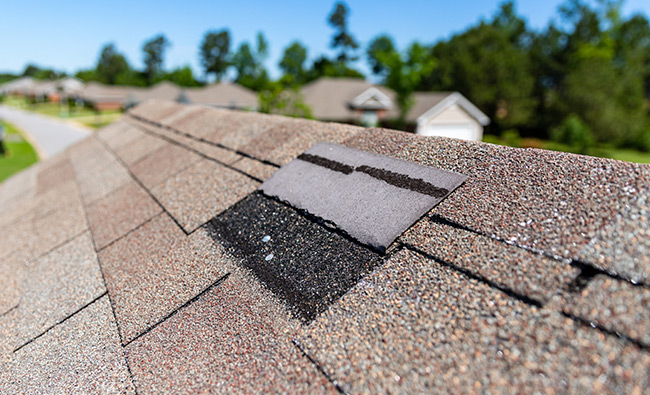
If your property is covered with composition roofing shingles, one of the most common issues you’ll encounter during a roof inspection is shingle damage. Look for signs of wear such as:
- Cracked shingles are vulnerable to water seepage, which can weaken the roof structure if not repaired.
- Curled shingles indicate aging or poor ventilation and leave the roof more susceptible to wind and water damage.
- Missing shingles create openings that may cause leaks and lead to structural problems; regular inspections and prompt replacement help maintain roof integrity.
- Black streaks on asphalt roofs are primarily caused by the growth of algae, which thrive in warmer, humid conditions like Florida and can deteriorate shingles over time.
Suppose you notice missing shingles. It’s essential to call a roofing contractor to assess the situation and perform the necessary repairs. Ignoring these signs can result in significant roof damage over time, leading to more expensive repairs. Keep an eye on your roof’s condition and act swiftly to ensure its longevity and resilience.
Granule Loss
Granules on the shingle surface play a vital role in protecting the roof from UV rays and contributing to its fire resistance. Excessive roofing granule loss can be a sign of aging shingles and may indicate the need for replacement due to UV degradation.
Check your gutters and downspouts for accumulated granules, as this can be a clear indicator of granule loss. Addressing granule loss early can help maintain the integrity of your roof and prevent further damage.
Flashings and Valleys
Flashings and roof valleys are critical areas that require regular inspection and maintenance to ensure optimal performance. Properly sealed flashings prevent water infiltration, protecting your home from leaks and water damage. Regularly checking and maintaining these areas can prevent extensive water damage and ensure the roof’s longevity.
If you’re unsure about the condition of your flashings and valleys, consider hiring a roofing professional to assess and repair them.
Keep Your Roof Clean
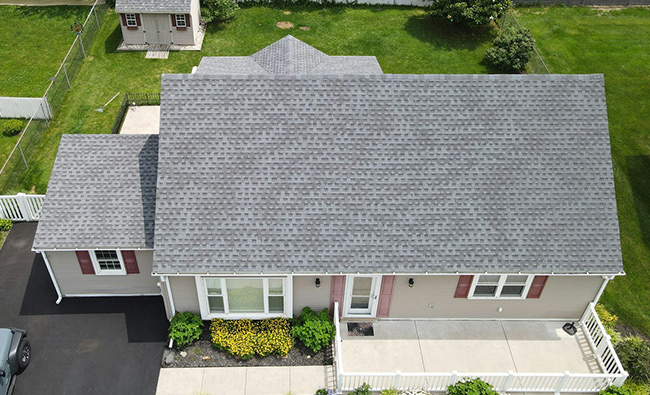
A clean roof is essential for preventing rot, mold growth, and premature deterioration. Built-up debris can trap moisture, leading to significant damage over time. To keep your roof clean, use a soft brush or leaf blower to remove leaves, branches, and other debris. It is best to avoid pressure washers. They can damage the shingles and shorten the lifespan of the roof.
For roofs affected by moss or algae, it’s best to hire professionals for proper cleaning. These experts have the right tools and knowledge to clean your roof without causing damage. Maintaining a clean roof is a simple yet effective way to extend its life and ensure it remains in top condition.
Remove Debris
Regularly clearing accumulated debris, such as leaves and branches, and loose debris from the roof shingles is crucial for its maintenance. If left unchecked, debris can puncture shingles or cause blockages in the gutters, leading to water damage.
Regular trimming of overhanging branches can prevent them from scraping the shingles and causing premature wear and leaks. By keeping your roof free of debris, you can avoid these potential issues and maintain a healthy roof.
Moss and Algae Control
Moss and algae growth on the roof can trap moisture and lead to damage if not addressed, especially in an area prone to such issues. To prevent this, install zinc or copper strips near the roof ridge, as these metals inhibit the growth of moss and algae.
To maintain your roof effectively:
- Regularly check for signs of moss growth, especially in shaded areas.
- Use appropriate moss and algae control products.
- Remove moss early to prevent moisture retention and prolong the life of your roof.
Gutter Maintenance
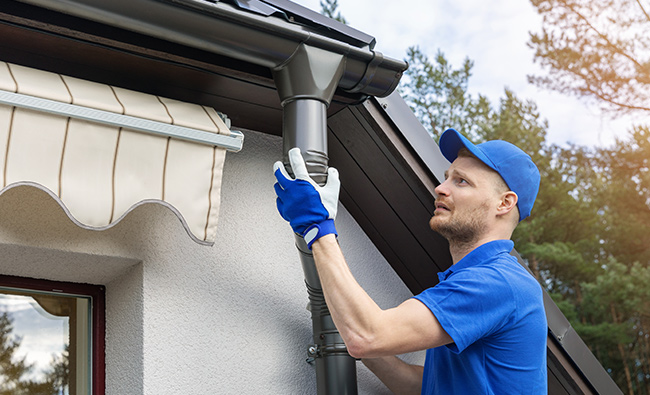
Gutter maintenance is a critical aspect of roof maintenance. Clogged gutters can cause water to pool at the edge of the roof, leading to moisture seeping into the fascia boards, under the shingles, and into the roof deck. Regularly cleaning gutters every three months, especially if there are trees nearby, ensures proper drainage and prevents water damage to both the roof and the foundation.
Overhanging branches can obstruct gutters, leading to debris accumulation and potential roof damage. Keeping gutters clean and functional is essential for maintaining the overall health of your roof and avoiding costly repairs.
Clear Gutters and Downspouts
Clearing gutters and downspouts of leaves, debris, and obstructions is essential for maintaining proper water drainage. Regularly digging out leaves and organic matter ensures that water flows freely through the gutters, preventing blockages and potential water damage.
By keeping your gutters clean, you can avoid these issues and maintain a healthy roof.
Inspect for Damage
Inspecting gutters for signs of sagging, rust, or separation from the house is crucial to prevent water damage. After severe weather, check for any leaky connections and use gutter caulking, a gutter patching kit, or roofing cement to repair any damage.
Regular inspections and timely repairs ensure that your gutters remain functional and protect your roof from water infiltration.
Trim Overhanging Branches
Trimming overhanging branches regularly helps prevent roof damage caused by falling limbs and reduces the amount of debris that collects on the roof. Keeping tree branches at least 6 to 10 feet away from the roof minimizes the risk of physical damage and debris buildup. By maintaining a safe distance between tree branches and the roof, you can protect your roof from potential harm and extend its lifespan.
Hiring a certified arborist is advisable for managing large trees or those that are difficult to reach for safe trimming. Professional tree care includes pruning techniques such as:
- Crown raising – removing lower branches to increase clearance.
- Thinning – selectively removing branches to improve airflow and reduce weight.
- Reduction – trimming back branches to decrease the tree’s size and maintain its structure.
Safe Trimming Practices
Maintaining a distance of 6-10 feet between tree branches and roofs is crucial to avoid potential roof damage. Safe trim branch practices involve using the right tools and techniques to prevent injury and ensure the health of the trees.
Regular maintenance and trimming of overhanging branches help keep your roof in tip-top shape and prevent damage.
Professional Help
Consider hiring a professional arborist for larger trees or difficult-to-reach branches to ensure safe and effective trimming. Professionals have the expertise and equipment to manage tree care safely, reducing the risk of damage to the roof and surrounding property.
Address Repairs Promptly
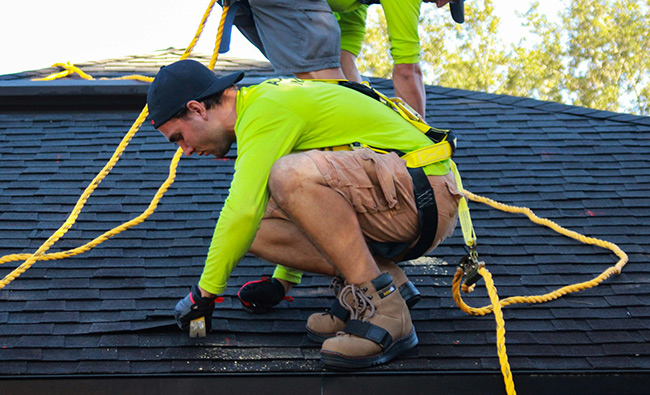
Promptly addressing roof repairs is essential to prevent minor roof issues from escalating into major problems. Over time, neglecting repairs can result in serious structural damage. It is important to address repairs promptly to avoid these issues. Regular maintenance and timely repairs help prevent costly repairs and maintain the roof’s integrity. Professional roofers can detect potential hazards during their assessments that homeowners might overlook.
A detailed evaluation by a roofing expert can identify wear and tear that may necessitate immediate repairs. Upgrading to FORTIFIED™ standards can significantly reduce the frequency of roof repairs and improve storm resistance. By addressing repairs promptly and considering upgrades when necessary, you can ensure the longevity and resilience of your roof.
Fix Loose Shingles
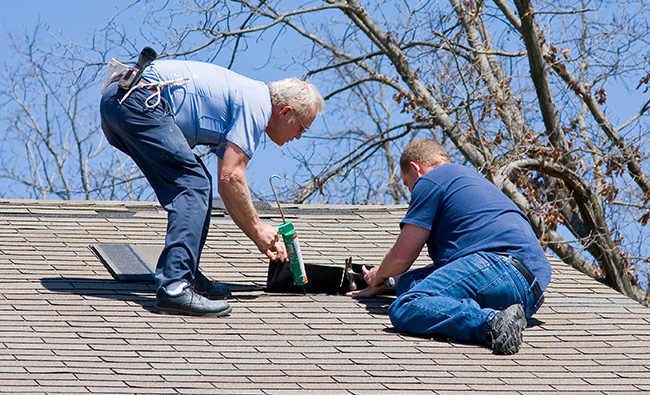
Using roofing cement to secure loose shingles enhances their stability and prevents them from being blown off by high winds. Promptly repairing or replacing missing or damaged shingles is crucial for maintaining the roof’s integrity.
Regular inspections and timely repairs of loose shingles help avoid costly repairs and extend the roof’s lifespan.
Repair Flashing and Sealants
Inspect the caulking around roof flashings during seasonal checks to ensure they are intact and effective against leaks. Replace loose or rotten metal flashing using roofing cement and nails to maintain proper sealing and prevent water intrusion.
Regular maintenance of flashings and sealants is essential for preventing water leaks and maintaining the roof’s integrity.
Ensure Proper Ventilation
Proper attic ventilation is crucial for preventing heat and moisture buildup that can damage shingles and the roofing system. Good attic ventilation prevents heat damage, mold growth, and ice dams, ensuring a healthy roof year-round. Ridge vents, gable vents, and soffit vents are common forms of attic ventilation. These options help to improve air circulation in the attic space. Regularly check for condensation inside the attic or ice dams, as these may indicate the ventilation system needs maintenance.
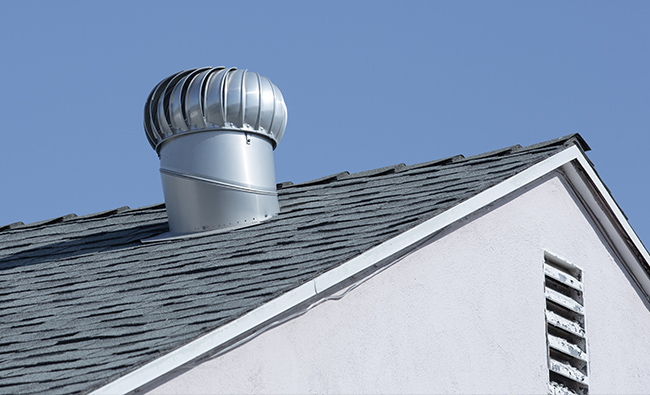
Inadequate attic ventilation can lead to costly repairs and damage to the roofing system. Proper ventilation can also help reduce cooling costs in the summer by maintaining a balanced airflow. By ensuring proper ventilation, you can protect your roof and extend its lifespan.
Check Soffit Vents
Soffit vents are essential for promoting airflow in the attic, helping to regulate temperature and moisture levels. Blocked soffit vents can prevent essential airflow, leading to increased attic temperatures and moisture problems.
Keeping soffit vents clear and functional is crucial to extending the roof’s lifespan and preventing structural damage.
Install Roof Vents
Installing roof vents can help create a balanced airflow, reducing heat buildup and moisture in the attic. If your attic feels excessively hot or has a damp smell, it may indicate potential ventilation issues, and installing or repairing ridge and soffit vents can address these problems.
Proper attic ventilation is crucial for preventing heat buildup and moisture issues, thereby ensuring a healthy roof.
Prepare for Winter
Preparing your roof for winter is crucial to prevent damage from heavy snow and ice. Adequate attic ventilation helps by:
- Maintaining a cooler attic in summer
- Keeping the attic drier in winter
- Reducing the risk of ice dams and structural damage. Poor ventilation can lead to excessively high attic temperatures, which can cause damage to roofing materials and reduce the roof’s lifespan.
Excessive snow and ice can add significant stress to roofs, making snow removal essential. An ice dam is a barrier that prevents melted snow from draining, which can lead to water infiltration and damage. Removing ice dams is important to protect the home’s structural integrity and avoid costly repairs.
Remove Snow Safely
Using a roof rake is recommended to safely eliminate snow from the roof for the following reasons:
- It minimizes the weight on the roof.
- It reduces the chance of ice dams.
- Removing heavy snow helps maintain the integrity of the roof.
- It prevents damage caused by excessive weight and ice formation.
Safely removing snow promotes proper drainage and protects the roof from potential harm.
Prevent Ice Dams
Proper insulation in the attic reduces strain on the roof and helps prevent the formation of ice dams. Clearing snow from eaves and gutters helps reduce the formation of ice dams and ensures proper drainage.
Heating cables can be installed along eaves to maintain clear drainage areas and prevent ice buildup.
Professional Roof Inspections
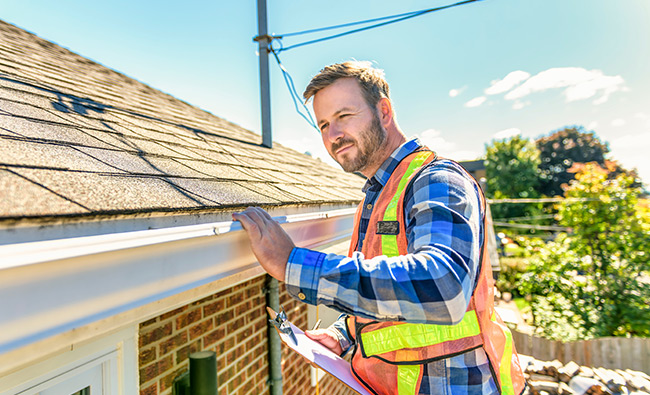
Scheduling annual professional roof inspections helps maintain roof history and track repairs over time. Key points to consider include:
- Spotting signs of deterioration on the roof should prompt a professional roof inspection to address issues before they escalate.
- Professional roof inspections are advised at least once a year to ensure the roof remains in top condition.
- If you’re uncomfortable inspecting flashings or other critical areas, it’s best to hire a trusted roofing service.
A professional roofing contractor can provide a thorough assessment of your roof’s condition and recommend necessary repairs to extend its lifespan. Regular professional inspections help identify potential problems early, ensuring that your roof remains healthy and functional.
Expert Assessment
A professional roofing contractor can provide a thorough assessment of your roof’s condition, evaluating key components for any signs of wear, damage, or potential issues. Based on the evaluation, roofing contractors can recommend necessary repairs to extend the lifespan of your roof and maintain its integrity.
This expert evaluation ensures that minor problems are addressed before they become major issues.
Post-Storm Inspections
Scheduling inspections after storms is crucial to identifying and addressing any damage promptly. A professional roofing contractor can provide a thorough assessment of your roof’s condition and recommend necessary repairs to maintain its functionality and prevent structural damage.
Post-storm visual inspection helps catch issues that may be missed during routine checks, ensuring the roof remains in excellent condition.
Upgrade When Necessary
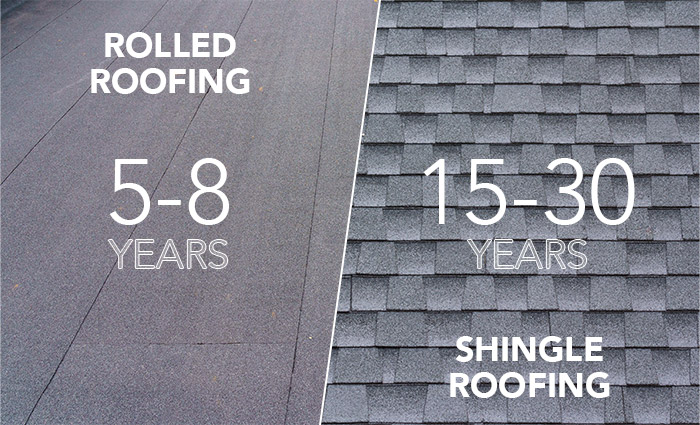
Knowing when to upgrade your roof is critical for maintaining your home’s integrity and value. Asphalt shingles should be replaced after 15 years, while the average lifespan of a roof can range from 25 to 50 years, depending on the materials used. Regular roof maintenance adds home value and saves money over time by preventing significant wear and avoiding costly repairs. Committing to a consistent maintenance schedule protects the roof’s lifespan and your property investment.
Applying protective coatings and sealants can extend your roof’s life span and protect against UV damage, water intrusion, and weathering. By upgrading to more durable roofing materials or considering FORTIFIED™ roofing standards, you can enhance your roof’s resilience against extreme weather and reduce the frequency of repairs.
Roofing Materials
If you live in a warmer climate that is prone to frequent storms, you should prioritize roofing materials that offer durability, weather resistance, algae resistance, and energy efficiency. Choosing the best roofing shingles and durable roofing materials is essential for providing long-lasting protection for your home. Consider the following options:
- Slate, tile, and metal roofs can benefit from additional protective coatings to enhance their durability.
- Impact-resistant shingles are a top choice for durable and protective roofing.
- Galvanized steel is another top choice for durable and protective roofing.
Opting for these materials can lead to lower maintenance needs and increased longevity of your roof.
Tip: Click for the best roofing shingles for The Villages, Florida.
FORTIFIED™ Standards
Upgrading to FORTIFIED™ standards can significantly enhance your roof’s resilience against extreme weather events. This program requires specific installation practices that prevent water intrusion, especially in high-wind conditions.
By choosing durable materials such as impact-resistant shingles or galvanized steel, you can ensure that your shingle roof is securely attached and better protected.
Shingle Roof Maintenance Summary
Maintaining a shingle roof involves a combination of regular inspections, cleaning, prompt repairs, proper ventilation, and professional assessments. By following these tips, you can extend the lifespan of your roof, prevent significant damage, and avoid costly repairs. Remember, a proactive approach to roof maintenance not only protects your home but also adds value to your property. Take the necessary steps today to ensure your roof remains in excellent condition for years to come.
Roof Maintenance Frequently Asked Questions
How often should I inspect my roof?
You should inspect your roof at least twice a year, preferably in the spring and fall, and arrange for a professional inspection annually. Regular inspections help maintain the integrity of your roof and prevent costly repairs.
What are the common signs of shingle damage?
The common signs of shingle damage are cracked, curled, or missing shingles, which may result in leaks and additional structural harm if not addressed promptly.
How can I prevent moss and algae growth on my roof?
To effectively prevent moss and algae growth on your roof, install zinc or copper strips near the ridge and monitor for growth, particularly in shaded areas. This proactive approach will help maintain the integrity of your roof.
Why is gutter maintenance important for maintaining a healthy roof?
Gutter maintenance is essential to safeguard roof health and prevent water damage caused by clogged systems, which can lead to moisture issues in fascia boards, shingles, and the roof deck. Regular upkeep helps ensure proper water drainage, preserving the integrity of your roofing structure.
When should I consider upgrading my roof?
You should consider upgrading your roof when it reaches the end of its lifespan, typically after 15 years for asphalt shingles or between 25 and 50 years for other materials. Timely upgrades are essential for maintaining your home’s integrity and value.
(352) 293-2449
For the original version of this article visit: https://roofersthevillagesfl.com/shingle-roof-maintenance-tips/