Showing posts with label Aluminum Roofing. Show all posts

Thursday, July 31, 2025

Choosing the Right Metal Roofing Gauge

When researching metal roofing, understanding metal roofing gauge is key. The gauge tells you the thickness of the metal panels. This measurement is crucial because it impacts the roof’s durability and performance. In this article, we’ll explore what ‘metal roofing gauge’ means, how different gauges compare, and how to choose the right one for your needs.
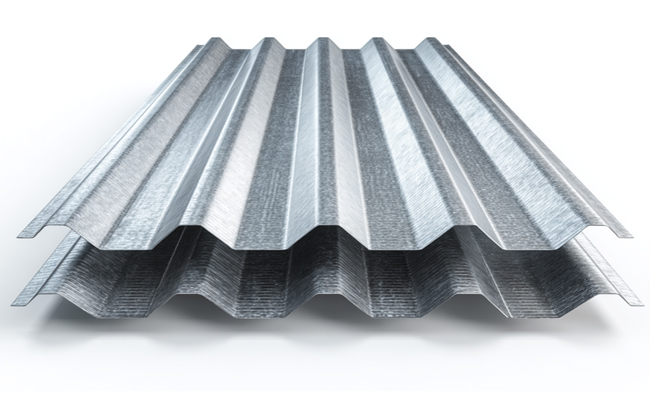
difference of metal roofing gauge

Key Takeaways

  • Metal roofing gauge most often comes in 22, 24, 26, and 29, with lower numbers indicating thicker and more durable options, crucial for weather resistance and longevity.
  • Choosing a suitable gauge depends on building type, local climate, and budget, with thicker panels recommended for harsh conditions and environments demanding reinforced structural integrity.
  • Thicker gauge panels offer enhanced weather resistance and durability, while thinner panels can be cost-effective for mild climates and less demanding applications.

Understanding Metal Roofing Gauge

A metal roofing gauge indicates the thickness of the metal panel. It is an important measurement when determining the durability and quality required for a property. Key points about metal roofing gauge:

  • The gauge number inversely relates to the thickness: the lower the gauge number, the thicker the metal.
  • A 22-gauge metal roof is thicker than a 24-gauge roof.
  • The thickness difference directly impacts the roof’s durability and performance

Thicker gauges, such as 22-gauge, offer superior durability, making them ideal for areas with harsh weather conditions. They are more resistant to damage from heavy rain, snow, and high winds. On the other hand, thinner gauges, such as 29-gauge, are less durable but can be suitable for less demanding environments.

Selecting the correct gauge has a significant impact on the roof’s ability to withstand environmental stresses, influencing both maintenance needs and overall longevity. Understanding these basics sets the foundation for making an informed choice that balances cost, durability, and performance.

Common Gauges in Metal Roofing

The most commonly used metal roofing gauges are:

  • 22-gauge
  • 24-gauge
  • 26-gauge
  • 29-gauge

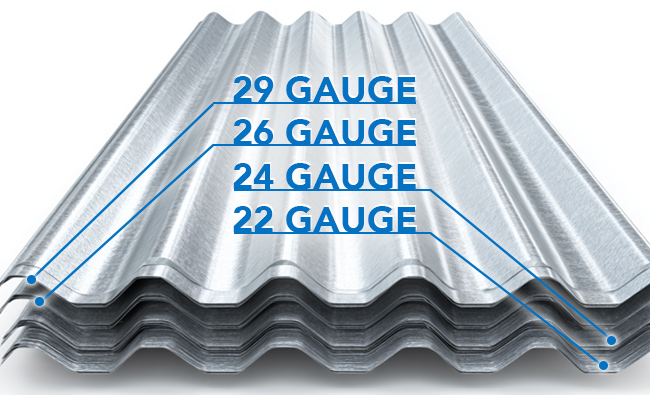
common gauges used in metal roofing - 22, 24, 26 and 29 gauge

22-Gauge Metal Roofing

22-gauge metal roofing is the thickest and most durable option available, with a thickness of 0.0299 inches. Its benefits include:

  • Exceptional resistance to severe weather conditions, such as high winds and heavy snowfall
  • Superior protection for your building
  • Unparalleled durability, leading to less frequent maintenance
  • Fewer repairs over time. Homeowners often choose 22-gauge metal roofing for these reasons.

While 22-gauge metal roofing can add to the overall cost, its long-term benefits justify the investment. The robustness and longevity of 22-gauge panels make them a worthwhile choice for those prioritizing durability over initial cost.

24-Gauge Metal Roofing

24-gauge metal roofing is a popular choice for both commercial and upscale residential buildings, offering a balance between cost and strength. It offers a good balance of durability and affordability, making it a popular choice for various applications. The typical cost for 24-gauge standing seam metal roofing is between $2.50 and $3.50 per square foot. This price range reflects standard market rates for this material.

Compared to 22-gauge metal roofing, 24-gauge metal roofing is thinner but still provides excellent durability. It is often used in applications where a lower gauge is not necessary, offering adequate protection in areas with moderate weather conditions.

26-Gauge Metal Roofing

26-gauge metal roofing is widely used in both residential roofing and commercial settings, thanks to its decent durability and affordability. With a thickness of 0.0188 inches, it strikes a balance between performance and cost. This gauge is particularly appealing to homeowners seeking budget-friendly solutions without severely compromising on quality.

While 26-gauge metal roofing offers reasonable durability, potential issues, such as leaks, should be considered with certain panel types. Evaluate the specific needs of your project to determine if 26-gauge metal roofing is the best choice.

29-Gauge Metal Roofing

29-gauge metal roofing is the thinnest option available, measuring 0.0142 inches in thickness. This makes it the least expensive choice among metal roofing options. Despite its thinness, 29-gauge metal roofing is commonly used in homes across the United States for applications that do not require heavy load-bearing, such as siding and decorative features.

This standard gauge is particularly suitable for smaller sections or decorative purposes, offering significant cost savings. Precautions should be taken when walking on a 29-gauge roof to avoid damage, such as stepping only on support beams.

Choosing 29-gauge metal roofing can result in overall installed cost savings.

Factors Influencing Gauge Choice

Several factors influence the choice of metal roofing gauge, including the type of building, local climate conditions, and cost considerations. These factors are crucial in determining the appropriate gauge for your specific project, ensuring the chosen metal roofing performs well under the given conditions.
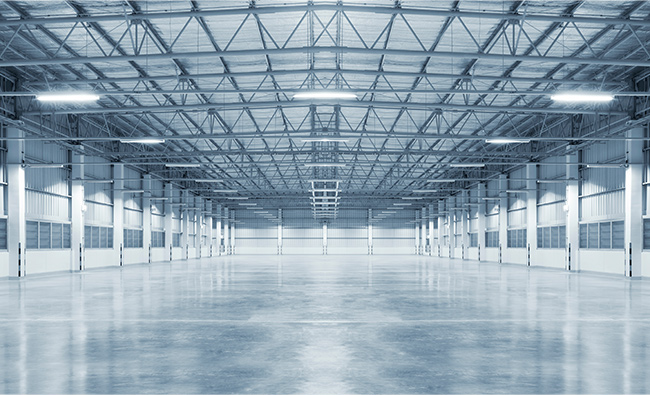
metal roofing warehouse building

Building Type and Structural Support

The type of building significantly impacts the choice of metal roofing gauge:

  • Thicker panels provide better structural support in open-framed buildings, making them essential for post-frame constructions that span between trusses.
  • Thicker gauge panels are typically required for heavier loads.
  • Using thicker panels enhances the overall structural integrity of the building.

Consider the construction type, location, and customer priorities when selecting a gauge. Thicker metal panels are often recommended for buildings needing robust structural support. This ensures the roofing system can withstand various stresses and maintain its integrity over time.

Climate and Weather Conditions

Local climate and weather conditions are crucial in determining the appropriate metal roofing gauge. In areas with severe weather, such as high winds or heavy snowfall, using thicker gauges, like 22-gauge, provides better resistance and durability. Thicker gauges can also reduce damage risks in areas prone to hail.

For regions with a mild climate, 24-gauge or 26-gauge metal roofing can be an ideal choice, offering a good balance of durability and cost. Thicker gauges are better suited for extreme weather conditions, ensuring the roofing system can handle the stresses of harsh environments.

If you live in Florida, check out: Best Residential Metal Roofing for Florida

Cost Considerations

Cost is a significant factor when choosing a metal roofing gauge. Thicker gauges generally entail higher material cost and installation costs due to increased material usage. For instance, 22-gauge metal roofing is the most expensive option among standard gauges.

On the other hand, 26-gauge metal roofing is less expensive than 22 and 24-gauge options, making it more appealing for budget-conscious projects. The cost difference between 26-gauge and 29-gauge metal roofing can range from 10% to 20% for material costs, with 29-gauge being the cost-effective choice for non-harsh climate areas.

Measuring Metal Roofing Thickness

Accurately measuring the thickness of metal roofing ensures you select the right gauge for your project. A tape measure can be used effectively, though it might lack the precision of other tools. To measure thickness using a tape measure, first locate the measurement in millimeters and then convert it to inches by multiplying by 0.03937.

Calipers are considered one of the most accurate tools for measuring metal thickness, making them ideal for precision work. Using reliable methods to measure metal roofing thickness ensures you have the precise information needed to make informed decisions.

Comparing Gauge Options for Different Applications

Different applications require different metal roofing gauges. For residential homes, 24-gauge metal roofing is commonly accepted as the industry standard, providing a balance between weight and durability. For homes in regions with heavy snow and strong winds, a minimum gauge of 24 or heavier is recommended.

In areas prone to hail, 26-gauge metal roofing offers moderate protection. For low-end agricultural jobs where cost efficiency is a priority, 26-gauge or 29-gauge wire is typically used.

Post-frame buildings, also known as pole barns, should utilize thicker metal panels that can withstand more substantial loads.

Advantages of Thicker Gauge Panels
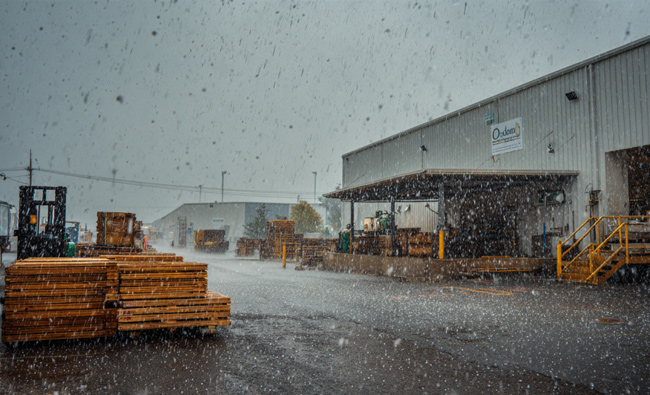
thick gauge metal roofing panels sustaining harsh weather

Thicker-gauge metal roofing panels offer numerous advantages, including:

  • Higher resistance to weather-related damage, like hail and heavy rain
  • Improved resistance to severe weather conditions, such as high winds and heavy snow
  • Better protection against impacts, making them suitable for areas prone to hail. Additionally, metal roof panels provide enhanced durability and longevity.

A thicker metal roof can have a longer lifespan due to its enhanced structural integrity and weather resistance. Thicker gauge panels make for a more rigid metal roofing system, reducing the likelihood of bending or warping.

Overall, thicker panels enhance durability and offer more protection in roofing applications, utilizing high-quality roofing materials to provide an extra layer of security.

When to Opt for Thinner Gauge Panels

Thinner gauge panels are suitable in scenarios where cost-saving measures are prioritized, and the climate is mild. In residential construction, thinner gauge panels can be sufficient as the metal’s role is primarily to protect the underlying sheathing. Lighter gauge roofing, like 29-gauge, is often adequate in regions without extreme weather events, reducing overall costs.

The structural role of thinner panels is minimal if properly supported by structural sheathing and a weather-resistant barrier. This makes thinner gauge panels a practical choice for cost-effective roofing solutions in less demanding environments, ensuring they remain structurally sound.

Paint Systems and Their Impact on Gauge Availability

The choice of paint systems can impact the availability of different metal roofing gauges. The two primary types of paint systems for metal roofing are PVDF and SMP. PVDF coatings are more commonly specified in architectural applications due to their superior properties. However, light-gauge steel is not available with a PVDF paint finish, limiting options for thinner gauges.

Thicker-gauge materials often offer more color and finish options, thereby enhancing their aesthetic appeal. PVDF paint systems offer better color integrity and less fading compared to SMP. SMP finishes, on the other hand, can achieve textured appearances that help minimize the visual impact of imperfections in flat panels.

Read our blog post for more info and answers to Can You Paint Metal Roofing?

Installation Tips for Different Gauges

When installing metal roofing, the gauge you choose will impact the process and the required structural support. For example, 24-gauge metal roofing weighs 30 percent more than 26-gauge roofing, which can affect the structural support needed during installation. This makes it essential to ensure that the structure can handle the additional weight.

Using 24-gauge standing seam metal roofing offers the following advantages and considerations:

  • Allows for concealed fasteners, enhancing the weather-tightness and longevity of the installation.
  • For thinner gauges, such as 29-gauge, it’s crucial to step only on support beams to avoid damaging the panels.
  • Proper handling and fastening techniques will ensure a successful installation, regardless of the gauge, including exposed fastener options.

Metal Roof Gauge Summary
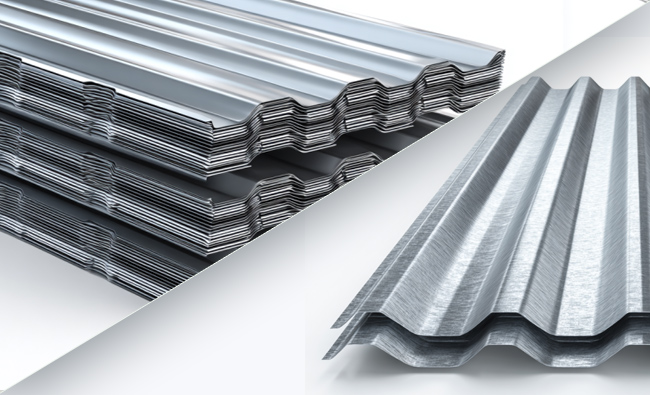
the best metal roofing gauge sheet panels

Choosing the best metal roofing gauge involves understanding the relationship between gauge and thickness, as well as considering factors such as building type, climate, and cost. Thicker gauges offer superior durability and weather resistance, making them ideal for harsh environments. Thinner gauges, while less durable, can be cost-effective solutions for milder climates and non-structural applications.

By weighing these factors, you can select the right gauge for your specific needs, ensuring a durable, long-lasting metal roofing system. Whether you’re a homeowner or a contractor, this guide equips you with the knowledge to make an informed decision, balancing performance, cost, and suitability for your project.

Frequently Asked Questions

What is the difference between 22-gauge and 29-gauge metal roofing?

The primary difference between 22-gauge and 29-gauge metal roofing is thickness, with 22-gauge being thicker and more durable for severe weather conditions, while 29-gauge is lighter and more cost-effective for milder climates. Thus, your choice should depend on the environmental conditions and structural needs of your project.

Why is 24-gauge metal roofing considered the industry standard?

24-gauge metal roofing is deemed the industry standard due to its optimal balance of cost and durability, making it ideal for a variety of applications. This gauge ensures longevity and performance, meeting the needs of both commercial and high-end residential projects.

How do climate and weather conditions affect the choice of metal roofing gauge?

Thicker metal roofing gauges, such as 22-gauge, are recommended for regions facing severe weather to ensure greater durability, while milder climates can utilize thinner gauges like 26-gauge or 29-gauge for cost-effectiveness. Ultimately, your choice should align with your local climate conditions.

What tools are best for measuring metal roofing thickness?

Calipers are the best choice for accurately measuring metal roofing thickness, although a tape measure can be used effectively with some conversion.

How does the choice of paint system impact the availability of different gauges?

The choice of paint system significantly impacts gauge availability, with PVDF systems predominantly suited for thicker gauges, whereas SMP finishes cater to both thicker and thinner gauges, offering a wider variety of colors and finishes.

Roofing the Villages
(352) 293-2449

For the original version of this article visit: https://roofersthevillagesfl.com/choosing-the-right-metal-roofing-gauge/

Friday, August 2, 2024

Best Residential Metal Roofing for Florida

If you live in Florida, you know the weather can be harsh on roofs. From high humidity to hurricane-force winds, choosing the best residential metal roofing to protect your home is crucial. This roofersthevillagesfl.com article will guide you through the top metal roofing options, their benefits, and why they are suited for Florida’s unique climate.

best residential metal roofing for florida houses

Key Takeaways

  • Metal roofing is ideal for Florida homes due to its high wind resistance, durability, energy efficiency, and low maintenance. It effectively handles the state’s extreme weather conditions.
  • The best types of metal roofing for Florida residences include aluminum for its lightweight and corrosion resistance, Galvalume steel for its cost-effectiveness and durability, and copper for its premium aesthetic and long lifespan.
  • Popular metal roofing styles in Florida include standing seam for sleek and weather-resistant properties, metal shingles for a traditional look with modern benefits, and metal tiles for a Mediterranean charm with high performance.

Why Metal Roofing is Ideal for Florida Homes

Florida’s weather conditions are challenging for most roofing materials due to high humidity, intense heat, and UV exposure. Traditional roofing materials like asphalt shingles tend to degrade quickly under such conditions. However, metal roofing is designed to resist such extremes. With their high resistance to wind, fire, and insect damage, metal roofs are a durable choice for Florida homes.

Metal roofing is renowned for its exceptional features, including:

  • Exceptional wind resistance, crucial to withstand Florida’s frequent hurricanes
  • Strength to resist hurricane-force winds and uplift, ensuring superior protection during stormy seasons
  • Reflective properties that help reduce heat absorption, keeping homes cooler and reducing energy costs.

Overall, the benefits of metal roofing systems for Florida homeowners include:

  • Durability
  • Wind resistance
  • Energy efficiency
  • Low maintenance requirements

With a lifespan of between 40-70 years, metal roofs offer long-term savings and peace of mind, ensuring your home remains protected and energy-efficient.

Best Types of Metal Roofing for Florida Residences

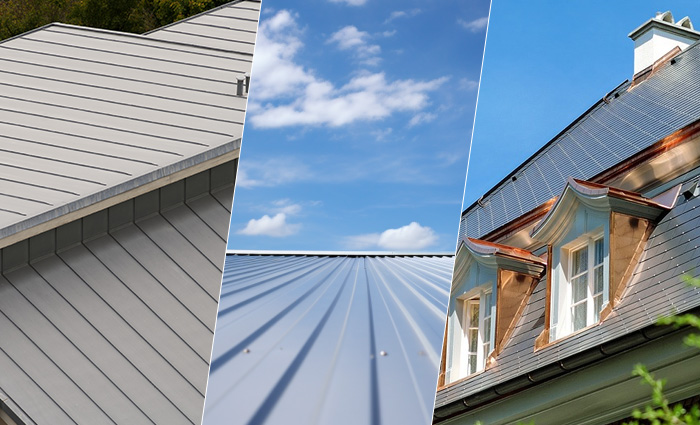
different types of metal roofing materials

Selecting an appropriate metal roofing option for your Florida home is key to reaping the fullest benefits. Aluminum, Galvalume steel, and copper are three of the best options available, each offering distinct advantages. From the lightweight and corrosion-resistant properties of aluminum roofing to the cost-effective and durable nature of Galvalume steel and the premium aesthetic of copper roofing, these materials cater to various needs and preferences.

Aluminum Roofing: Lightweight and Corrosion-Resistant

Aluminum roofing stands out for its lightweight nature, which makes it particularly suitable for coastal areas like Florida. Its ease of installation combined with robust performance ensures that homes remain protected without the burden of heavy roofing materials. Moreover, aluminum is highly corrosion-resistant, essential for Florida’s humid and salty environment. Unlike other metals, aluminum does not rust, making it an excellent choice for long-term durability.

One of the significant benefits of aluminum roofing is its reflectivity. Aluminum can reflect up to 95% of sunlight, significantly reducing cooling costs and helping to maintain a cooler home interior in Florida’s hot climate. This high reflectivity not only enhances energy efficiency but also contributes to a more comfortable living environment.

Galvalume Steel Roofing: Cost-Effective and Durable

Galvalume steel roofing is another excellent option for Florida homes. It is known for its:

  • Cost-effectiveness
  • Durability
  • Superior corrosion resistance
  • Lifespan exceeding 40 years

This makes it ideal for Florida’s humid and salty conditions, providing long-term protection against the elements.

This metal roofing material is available in different profiles, such as standing seam, interlocking metal shingles, and metal roofing panels. These profiles promise robust protection while enhancing the aesthetic appeal of your home. Galvalume Steel’s durability and affordability make it a popular choice among Florida homeowners looking for a reliable and economical roofing solution.

Copper Roofing: Premium Option with Unique Aesthetic

Cooper Roofing, known for its distinctive appearance, could be considered the epitome of luxury and durability. Over time, copper roofing develops a unique green patina, adding to its aesthetic charm. This premium option offers unmatched durability, with a lifespan ranging from 50 to 100 years. Copper is an excellent choice for homeowners seeking a long-lasting and visually striking roof.

However, copper roofing is not the most economical option, as its cost is significantly higher than that of other metal roofing materials. Despite the higher initial investment, the combination of beauty, durability, and low maintenance makes copper roofing a worthwhile consideration for those willing to invest in a premium roofing solution.

Popular Metal Roofing Styles for Florida Homes

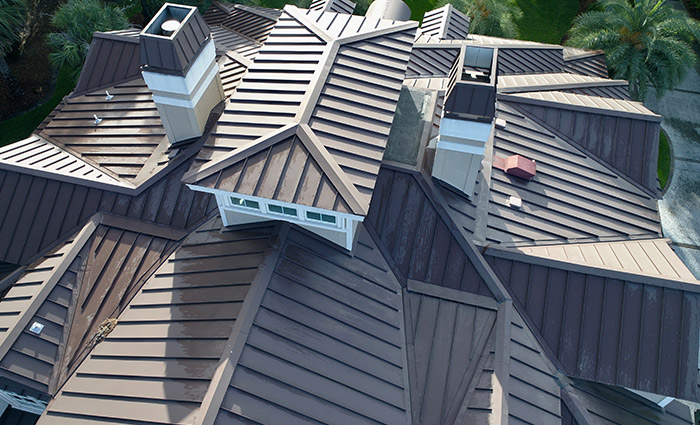
metal roof with standing seam design

Beyond material choice, the style of metal roofing can significantly impact both the aesthetic and functional aspects of your home. Popular metal roofing styles in Florida include standing seam, metal shingles, and metal tiles. Each style offers distinct advantages, from the sleek and weather-resistant standing seam to the traditional look of metal shingles and the Mediterranean charm of metal tiles.

Standing Seam Metal Roof: Sleek and Weather-Resistant

Standing seam metal roofs are a top choice for many Florida homeowners due to their:

  • Sleek appearance
  • Superior weather resistance
  • Smooth, seamless look that enhances curb appeal
  • Hidden fasteners that reduce the risk of leaks, ensuring long-term durability and protection

These roofs can withstand severe weather conditions, including heavy rainfall and high winds, making them particularly suited for Florida’s climate. Additionally, their reflective properties help lower energy costs, making standing seam metal roofs both a practical and aesthetically pleasing option for Florida homes.

Metal Shingles: Traditional Look with Modern Benefits

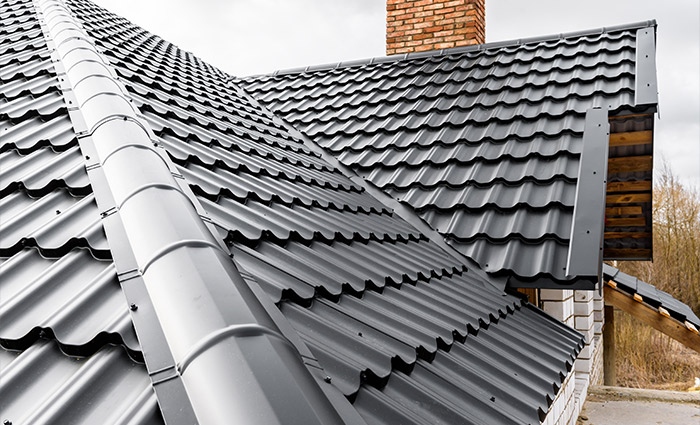
metal shingle roof in The Villages FL

Metal shingles offer the best of both worlds for homeowners who prefer a more traditional look. These shingles mimic the appearance of slate or wood, providing a classic aesthetic while offering the enhanced durability of metal roofing. Metal shingles are also known for their low maintenance requirements, making them a practical choice for busy homeowners.

In addition to their visual appeal, metal shingles provide excellent protection against the elements, ensuring your home remains safe and secure through Florida’s varied weather conditions. Their combination of traditional aesthetics and modern benefits makes metal shingles a popular choice among Florida homeowners.

Metal Tiles: Mediterranean Charm with High Performance

Metal tiles are designed to replicate the look of traditional clay or concrete tiles, providing a Mediterranean aesthetic that is particularly popular in regions like Greater Tampa Bay. These tiles offer enhanced durability and performance, making them well-suited for Florida’s harsh climate.

With benefits such as long-lasting protection, lightweight nature, and energy efficiency, metal tiles are an excellent choice for homeowners looking to combine style and function. The Riverwalk Pavilion in Fort Lauderdale showcases the aesthetic enhancement and lasting protection that metal tile roofing can provide to a structure. It serves as a prime example of the benefits of this roofing option.

Installation Methods for Metal Roofing

The method used to install your metal roof can greatly influence its performance and lifespan. There are two primary methods: exposed fastener and concealed fastener systems, including the screw-down metal roof technique. Each has its own set of advantages and drawbacks, and understanding these can help you make an informed decision about which method is best for your home.

Exposed Fastener Installation

Exposed fastener installation is a more cost-effective method where metal panels are attached to the roof deck using screws that are visible from the exterior. This method is easier and quicker to install, making it a popular choice for budget-conscious homeowners. However, it does come with some disadvantages. The exposed screws can lead to a higher risk of leaks and require regular maintenance to ensure the integrity of the roof.

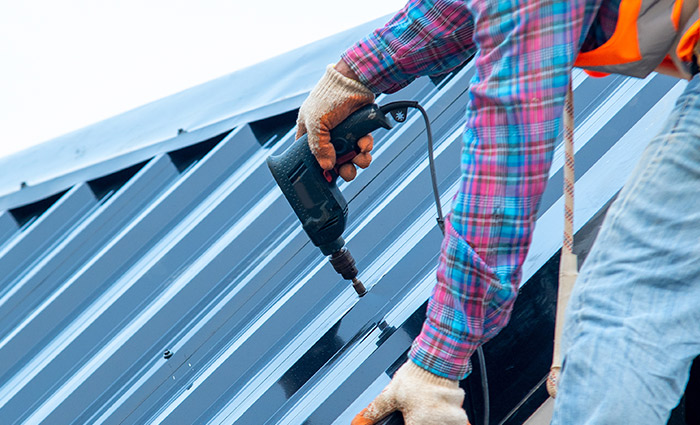
roofer metal roof installation with exposed fastener

While exposed fastener systems are cheaper upfront, they can weaken the metal’s ability to resist sun and heat damage over time. This method also creates a more industrial look, which may not appeal to all homeowners.

Concealed Fastener Installation

Concealed fastener installation, on the other hand, involves attaching metal panels using hidden fasteners, creating a smooth and uninterrupted look. This method offers:

  • Increased durability
  • Reduced risk of leaks, as the fasteners are protected from the elements
  • Sleek appearance that enhances the overall aesthetic of your home.

However, this method is more expensive and requires a more complex installation process. Despite the higher initial cost, the long-term benefits of reduced maintenance and enhanced durability make concealed fastener installation a worthwhile investment for many homeowners.

Key Factors to Consider When Choosing Metal Roofing

To guarantee the best decision, consider several key factors when selecting metal roofing for your home. First and foremost is your budget. Metal roofing options vary widely in cost, with materials like aluminum and Galvalume steel being more affordable, while copper is a premium choice. Florida’s hot and humid climate necessitates corrosion-resistant metal roofing materials, which could increase the overall cost.

Durability and longevity are also critical factors. Metal roofs are known for their long lifespan, but some options, like copper, can last up to 100 years. Maintenance requirements should be assessed to ensure you choose a roof that fits your lifestyle and maintenance capabilities. For example, corrugated metal roofs may have lower upfront costs but require more maintenance, while standing seam metal roofs and stone-coated steel roofs offer better durability and performance under Florida’s harsh climate conditions.

Finally, consider the desired curb appeal and the importance of selecting a reputable brand with a strong warranty. The right roofing material can significantly enhance the look of your home, and a good warranty ensures you have peace of mind for years to come.

Energy Efficiency and Environmental Benefits of Metal Roofs

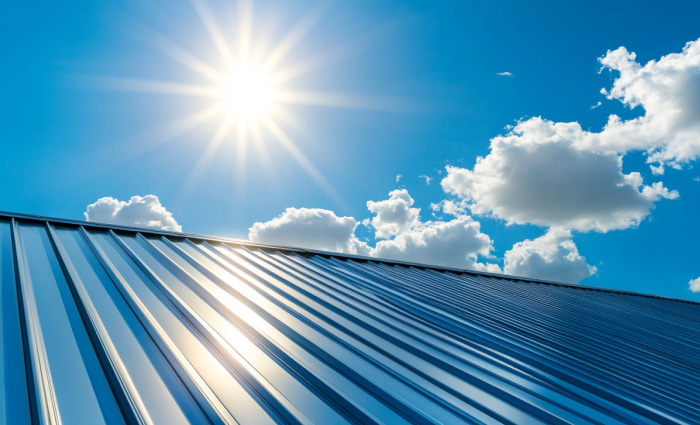
metal roofing energy efficiency and sun reflectivity

Metal roofs offer significant energy efficiency and environmental benefits, making them an excellent choice for eco-conscious homeowners. One of the primary advantages is their ability to reflect up to 90% of solar radiation, significantly reducing cooling costs and helping to maintain a comfortable home interior during Florida’s hot summers. Aluminum roofing, in particular, reflects heat away from itself, resulting in lower monthly energy bills, especially when replacing an asphalt shingle roof.

Additionally, metal roofing systems offer the following benefits:

  • Compatibility with solar panel installations, further increasing potential energy savings and reducing energy consumption
  • Full recyclability, lowering their environmental impact
  • Reflective properties that contribute to reducing the urban heat island effect

These benefits make metal roofs an environmentally friendly and cost-effective choice for Florida homeowners.

Maintenance Tips for Metal Roofs in Florida

Proper maintenance is paramount To ensure the longevity and performance of metal roofs, especially in Florida’s challenging climate. While metal roofs require low maintenance compared to other roofing materials, regular inspections and cleaning are essential. Inspecting your metal roof at least once a year is recommended to identify and repair any potential issues early. Regularly clean gutters and drains to prevent debris buildup, which can cause excess moisture and corrosion.

Addressing any damage or corrosion promptly is vital. Here are some steps you can take to maintain your roof:

  1. If you notice rust spots, scrub them with a gentle cleanser and apply a metal primer to prevent future rusting.
  2. For minor scratches, apply mineral spirits with a clean cloth and rinse with water.
  3. Trim nearby branches to prevent them from scratching the roof surface and causing damage.
  4. Use a brush or long-handled broom to keep the roof clear of debris, including snow and ice. This can help avoid damage to the roof’s protective coating.

By following these steps, you can keep your roof in good condition and prevent further damage.

During inspections, check for loose or separating panel seams and adjust any damaged flashing materials to ensure they properly direct water away from vulnerable parts of the roof. Pay extra attention to penetration point areas like chimneys and vents for degradation due to sunlight exposure. By following these roof maintenance tips, you can extend the lifespan of your metal roof and keep it in excellent condition for years to come.

Cost Breakdown of Metal Roofing Options

The cost of metal roofing options can fluctuate based on a number of factors, such as the material used, the method of installation, and the complexity of the roof. Understanding these costs can help homeowners make informed decisions.

The profile, thickness of the metal, and the paint finish all contribute to the cost of steel roofing. For instance, corrugated steel panels, a popular option in Florida, cost between $100 to $200 per square. Steel or aluminum shingles range from $250 to $375 per square, while stone-coated steel roofs cost between $200 and $400 per square.

Due to their longevity and aesthetic appeal, premium materials like copper or zinc have higher price tags, ranging from $700 to $900 per square. Standing seam metal roofing, known for its sleek appearance and durability, costs between $400 and $700 per square. The size and complexity of the roof can significantly impact the material and labor costs.

Regional cost variations also play a role, with South Florida often experiencing higher costs due to a higher cost of living and wages. The average price of installing a metal roof in Florida ranges from $5,000 to $25,000, depending on factors such as the size and complexity of the roof and the type of metal used.

Although the initial costs may be higher than traditional roofing materials, the long-term benefits, including durability, energy efficiency, and low maintenance, make metal roofing a cost-effective investment.

Notable Metal Roofing Projects in Florida

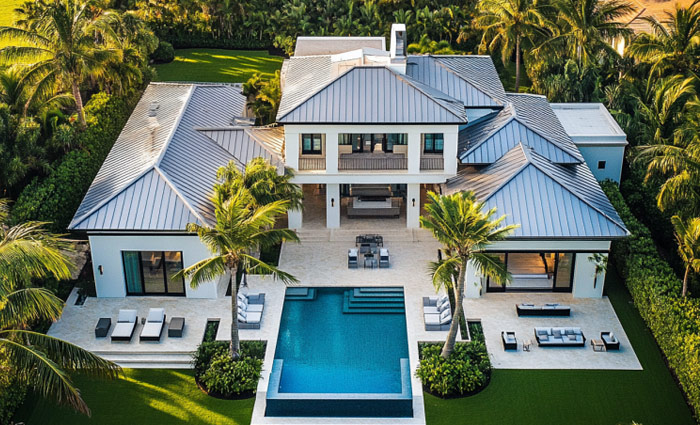
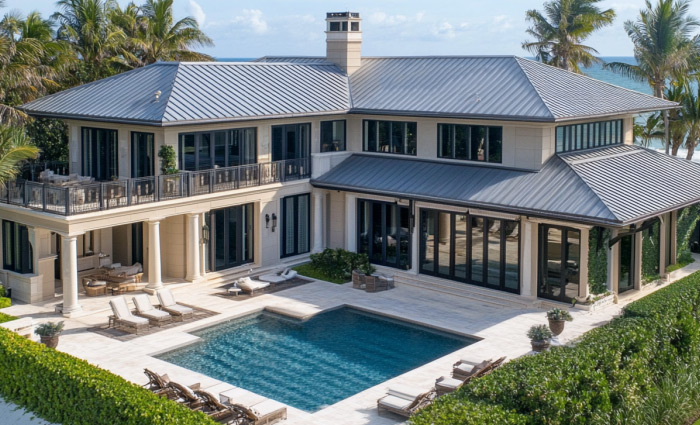
home in Palm Beach Florida with metal roof

Various notable metal roofing projects across Florida demonstrate the versatility and advantages of the different metal roofing options available. A private residence in Palm Beach features an eye-catching metal shingle roof chosen for its beauty, durability, and low maintenance, making it suitable for the coastal environment. This project highlights how metal shingles can provide a traditional aesthetic with the modern benefits of metal roofing.

The University of Central Florida’s Global UCF Building features a standing seam metal roof that complements its contemporary design and provides superior protection against Florida’s elements.

Another example is the Riverwalk Pavilion in Fort Lauderdale, which showcases a Mediterranean-inspired design with a barrel tile metal roof. This roof not only adds to the structure’s aesthetic appeal but also offers durable protection, demonstrating the high performance and charm of metal tile roofing.

Metal Roofing in Florida Summary

In conclusion, metal roofing offers numerous benefits, making it an ideal choice for Florida homes. Its durability, wind resistance, and energy efficiency address the unique challenges posed by Florida’s climate. Aluminum, Galvalume steel and copper are among the best metal roofing materials, each providing distinct advantages and aesthetics. Popular styles like standing seam, metal shingles, and metal tiles offer various options to suit different preferences and needs.

Choosing the right installation method and considering factors like budget, durability, and maintenance requirements are crucial for maximizing the benefits of your metal roof. Additionally, the energy efficiency and environmental benefits of metal roofing make it a sustainable choice. With proper maintenance, metal roofs can offer long-lasting protection and value. By investing in a metal roof, Florida homeowners can ensure their homes are well-protected, energy-efficient, and aesthetically pleasing.

Frequently Asked Questions

What makes metal roofing suitable for Florida’s climate?

Metal roofing is suitable for Florida’s climate because of its durability, wind resistance, and energy efficiency. It can withstand high humidity, intense heat, and frequent hurricanes, making it an ideal choice for the state’s weather conditions.

What are the best metal roofing materials for Florida homes?

Aluminum, galvalume steel, and copper are the best metal roofing materials for Florida homes. They provide corrosion resistance, durability, and aesthetic appeal. Consider these options for a reliable and attractive roofing solution.

How do metal roofing styles differ?

Metal roofing styles differ in terms of their appearance and advantages. For example, standing seam roofs offer a sleek appearance, metal shingles provide a traditional look, and metal tiles exude a Mediterranean charm.

What are the maintenance requirements for metal roofs in Florida?

To ensure your metal roof stays in good condition, keep up with regular inspections, cleaning, and gutter maintenance. These are essential for longevity and performance. Promptly addressing any damage or corrosion is also crucial.

How much does it cost to install a metal roof in Florida?

The cost of installing a metal roof in Florida ranges from $5,000 to $20,000, depending on factors such as material, roof complexity, and regional costs.

Roofing the Villages
(352) 293-2449

For the original version of this article visit: https://roofersthevillagesfl.com/best-residential-metal-roofing-florida/

Roof Types for Insurance

Your roof does more than keep the rain out. For insurance companies, it’s one of the first things they evaluate when deciding how much to ch...