Showing posts with label Home Maintenance. Show all posts

Thursday, October 31, 2024

Home Insurance Roof Leak Coverage Explained

Need to know how or if your home insurance covers roof leaks? This roofersthevillagesfl.com guide breaks down when roof leak damage may be included, common coverage exclusions, and steps for filing a claim.

home insurance roof leak

Key Takeaways

  • Homeowners’ insurance typically covers roof leaks caused by specific perils such as storms but excludes damages from neglect and poor maintenance.
  • Prompt reporting of roof leaks to your insurance provider is crucial for a successful claim, as delays can lead to denials based on policy timelines.
  • Regular roof maintenance and inspections are essential to prevent leaks and ensure comprehensive coverage under homeowners insurance.

When Does Homeowners Insurance Cover Roof Leaks?

Homeowners insurance can be a lifesaver when dealing with a roof leak, but you must understand the conditions under which your policy will cover those leaks. Generally, homeowners insurance covers roof leaks that result from specific, covered perils such as storms, accidental damage, or sudden events. This means if a heavy storm tears off shingles or a tree branch crashes through your roof, you’re likely covered.

However, the coverage isn’t universal. The specifics of your policy and the cause of the leak play significant roles in determining whether you’ll receive compensation for repairs. We’ll break down the common covered perils, exclusions, and the importance of prompt reporting to ensure you’re fully prepared.

Covered Perils Leading to Roof Leaks
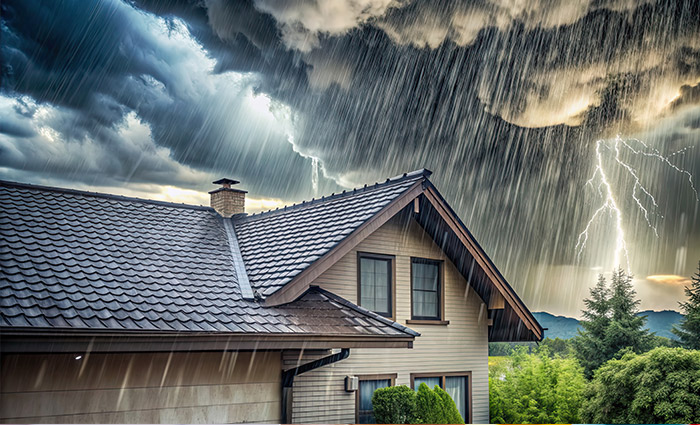
house with leaking roof and water damage - home insurance roof leak

Homeowners insurance typically covers certain perils, meaning if your roof leak results from these events, your policy will likely pay for repairs. Common examples include hail, wind, and lightning strikes. These natural forces can cause significant roof damage, resulting in leaks that your insurance policy is designed to cover.

If your roof leak is due to one of these events, you can confidently file a claim knowing that your insurance will likely help with the repair or replacement costs. This coverage prevents you from bearing the full financial burden of unexpected roof leaks caused by roof damage.

Exclusions for Roof Leak Coverage

While homeowners insurance covers many types of roof leaks, it also has specific exclusions. For instance, leaks caused by neglect or poor maintenance are typically not covered. This means if you’ve ignored necessary repairs or failed to keep up with regular maintenance, your insurance company may deny your claim.

Improper installation or poor workmanship can also lead to denied claims. If your roof was not installed correctly and develops a slow leak over time, don’t expect your insurance policy to cover the repair costs. Additionally, older roofs that have naturally worn down over the years may not be covered, as these are considered normal wear and tear.

Lastly, certain perils like earthquakes and floods are usually not covered under standard homeowners insurance policies. You may need separate policies to cover these risks. Knowing these exclusions can help you avoid unpleasant surprises when filing a claim.

Importance of Prompt Reporting

When you discover a roof leak, time is of the essence. Reporting the issue to your insurance provider promptly ensures your claim is processed smoothly. Delays in filing a claim can lead to denial based on your policy’s timeline requirements.

Delaying the report of roof damage can jeopardize your claim, potentially leaving you with costly repairs. Immediate action helps ensure your roof leak falls within the scope of your insurance coverage, facilitating a quicker resolution.

How Homeowners Insurance Handles Water Damage From Roof Leaks
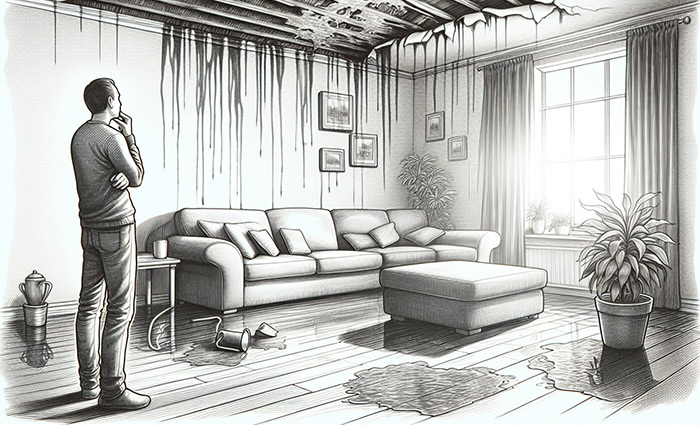
water damage from a roof leak in a home

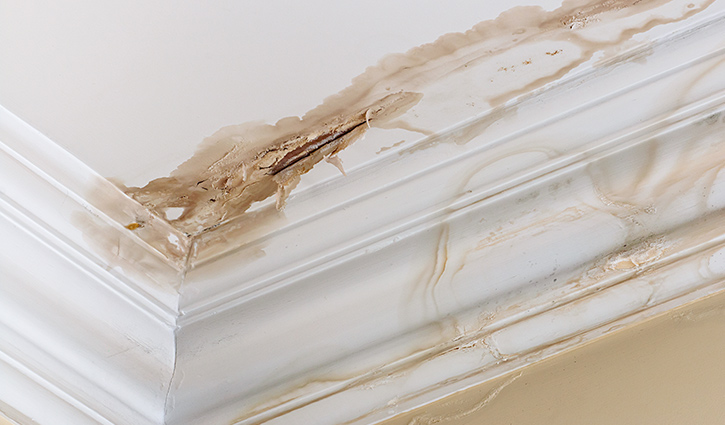
Water damage from roof leaks can be extensive, affecting not just the roof but also the interior of your home. Homeowners insurance can cover this water damage, provided the initial cause of the leak is a covered peril. Knowing how your insurance policy handles such damage helps you manage and mitigate the impact effectively.

Your homeowner’s insurance policy’s specific terms and conditions will outline the coverage for water damage stemming from roof leaks. We’ll delve into immediate actions to minimize damage and the necessary documentation to support your homeowner’s insurance claim.

Immediate Actions to Minimize Damage

The moment you discover a roof leak, taking immediate action can significantly minimize further damage. First, move any personal property out of the way to prevent water from causing additional harm. Use buckets to catch the leaking water and prevent it from spreading.

Then, contact your insurance company immediately to assess repair costs and determine coverage. Filing a claim promptly initiates the process, allowing the insurance company to handle it more efficiently. Quick action avoids complications and ensures you receive the coverage you need.

Documentation for Insurance Claims

Documenting the damage caused by a roof leak is vital for a successful insurance claim. Take photos or videos of the leak and the resulting damage, including specific interior problems like water stains. If you can locate the source of the leak, capture images of that as well.

Keep records of all damage and any temporary repairs you’ve made, such as receipts for materials used to mitigate further damage. Thorough documentation strengthens your claim, providing clear evidence for the insurance company to assess actual cash.

Filing a Claim for a Roof Leak

homeowner filing an insurance claim for roof damage

Filing a claim for a roof leak involves several steps and can be lengthy due to the various parties involved. Begin by filing the claim with your insurer, either online, through a customer portal, or by phone. Prepare to provide detailed documentation of the roof leak and any resulting damage.

The insurance adjuster will evaluate the damage and has the authority to approve or deny your claim. Cooperate fully and provide all necessary information to facilitate a smooth claims process.

Steps to File a Claim

First, contact your insurance company to report the incident. You’ll need to provide documentation of the roof leak, including photos and videos. Be ready to answer questions from the insurance agent about the cause of the leak and any steps you’ve taken to mitigate the damage.

Getting quotes from roofers can help determine if the repair costs justify filing a claim. Keep in mind that filing a claim might increase your insurance premiums, so weigh the potential benefits against the possible long-term costs.

Working with Your Insurance Agent

Effective communication with your insurance agent is vital during the claims process. Providing all necessary documentation and keeping detailed records of communications can expedite your claim. Open communication covers all details, reducing the risk of delays or denials.

Detailed records of your interactions with the insurance company can also protect you if disputes arise. Even denied claims are recorded and can impact future insurance premiums, so manage the process carefully.

Avoiding Common Pitfalls

Avoid filing claims for roof damage caused by poor maintenance, as insurance companies often deny these. Maintain your roof properly to avoid coverage issues.

Be cautious of roofing contractors offering low rates or free roof replacement; they may not provide quality work. Verify contractor credentials and approach repairs cautiously to avoid potential pitfalls and ensure a successful claims process.

Should You File a Claim for Minor Roof Damage?
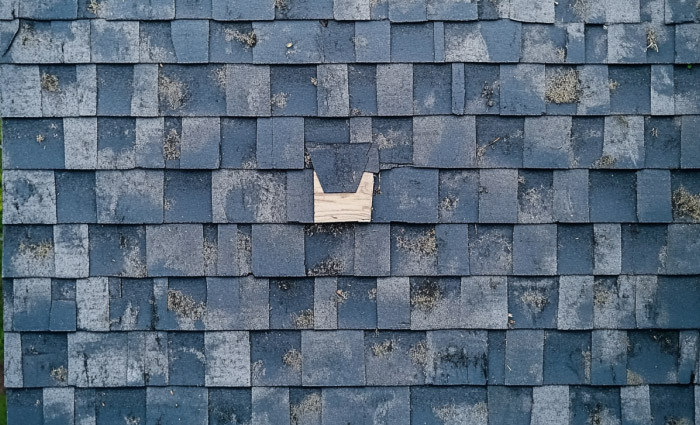
minor roof damage and the decision to file an insurance claim

Weigh the decision to file a claim for minor roof damage carefully. Consider whether the repair costs exceed your insurance deductible and the potential impact on your insurance premiums. Filing multiple claims can lead to increased premiums, which might offset the benefits of claiming for minor damage.

We’ll explore how to evaluate repair costs versus your deductible and the potential impact on your insurance premiums.

Evaluating Repair Costs vs. Deductible

Determine whether the repair costs for minor roof damage exceed your insurance deductible. Typical deductibles range from $500 to $2,000. If the repair costs are only slightly above the deductible, consider paying out of pocket to avoid a claim.

Consider the age and condition of your roof, as normal wear and tear may not be covered by insurance. Filing a claim is sensible when repair costs significantly exceed the deductible and are due to a covered weather event.

Impact on Insurance Premiums

Multiple claims can increase your insurance premiums and affect your risk profile. Most insurance companies may view you as high-risk if you submit multiple claims in a short period, potentially leading to policy non-renewal.

Even minor claims can trigger a premium increase, impacting you financially in the long term. Think about the long-term effects on your insurance coverage and policy options before filing a claim for minor damage.

Preventing Roof Leaks

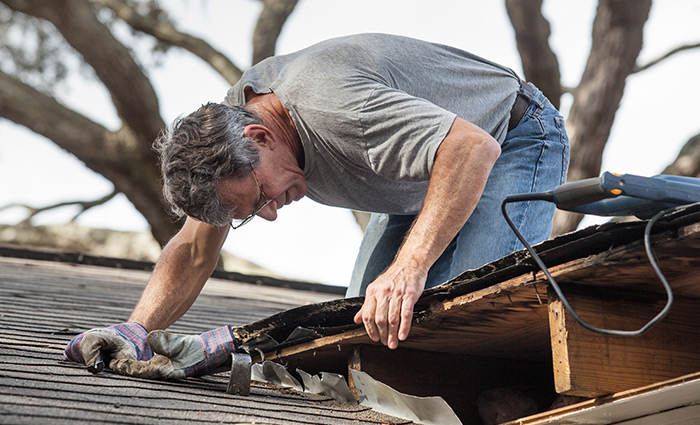
Preventing roof leaks is crucial to avoid costly repairs and insurance claims. Regular maintenance and inspections help identify potential issues before they become major problems. Selecting a reputable contractor for repairs can also prevent roof leaks.

We’ll discuss the importance of regular roof inspections and provide maintenance tips to keep your roof in top condition.

Regular Roof Inspections
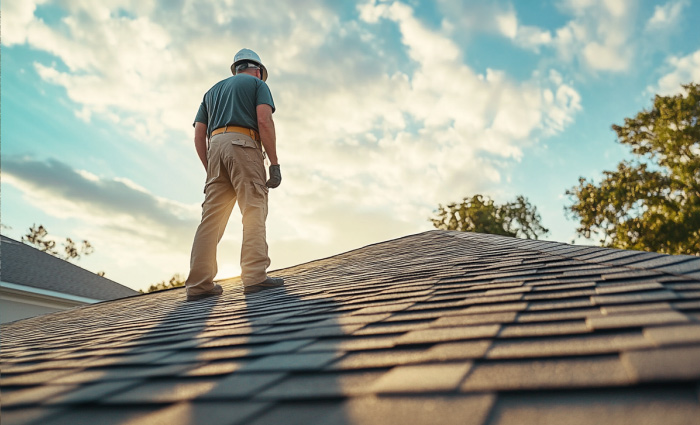
contractor inspecting a roof - regular maintenance to prevent leaks

Regular roof inspections catch potential issues early and prevent larger, more costly repairs. Have your roof inspected regularly by a professional to maintain its integrity.

Professional inspections can identify leaks in hard-to-see areas, ensuring all potential problems are addressed promptly.

Maintenance Tips to Avoid Leaks

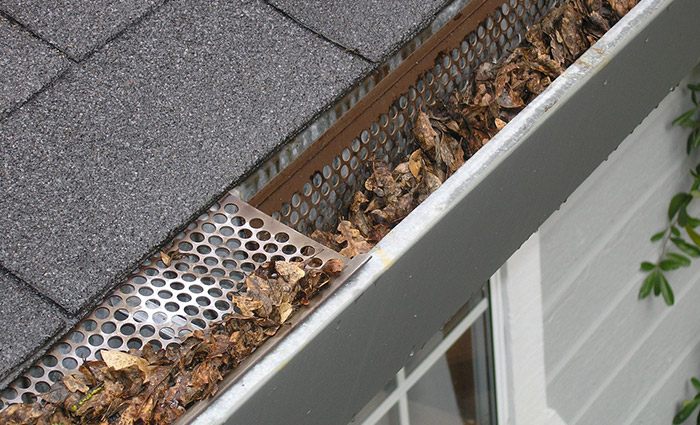
Maintaining your roof is crucial to preventing leaks. Clean gutters and downspouts regularly to prevent water backup. Promptly replacing damaged or missing shingles helps maintain a leak-free roof.

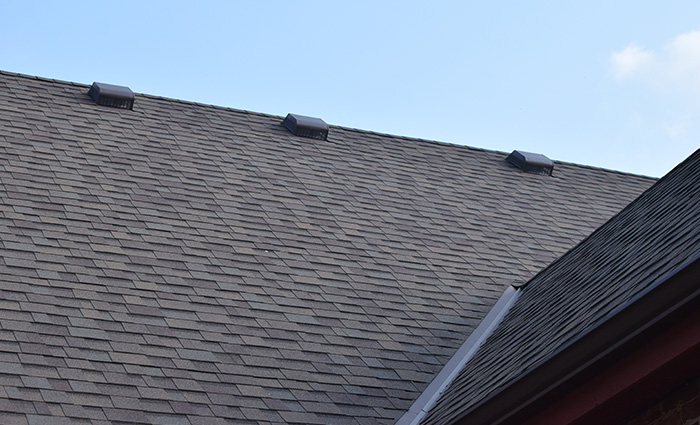
Proper attic ventilation reduces the risk of ice dams and heat damage, both of which can cause leaks. Trimming back tree branches can lower the risk of shingle damage during storms.

Choosing the Right Roofing Contractor

Choosing the right roofing contractor is vital for effective roof repairs and maintenance. Verifying a contractor’s credentials ensures they are licensed and insured, protecting you against potential liabilities. Understanding contractor warranties adds security to your investment.

We’ll cover how to verify contractor credentials and the importance of understanding contractor warranties.

Verifying Contractor Credentials

Verifying a contractor’s credentials involves checking their license status with local authorities and ensuring they have liability insurance. Reputable contractors should willingly provide proof of their qualifications and references from past clients.

These steps ensure you hire a reputable contractor who can deliver quality work and protect your investment.

Understanding Contractor Warranties

Contractor warranties are crucial for homeowners to understand. These warranties can cover post-installation issues, offering protection beyond what your homeowner’s insurance might provide. A reputable contractor will offer a warranty covering both workmanship and the materials used in the roofing project.

A warranty from a qualified contractor can address problems not covered by your homeowner’s insurance, giving you added peace of mind and security for your roofing investment.

Home Insurance Roof Leak Summary

In conclusion, understanding your homeowner’s insurance coverage for roof leaks can save you significant stress and expense. Homeowners insurance typically covers roof leaks caused by specific perils such as storms and accidental damage but excludes issues arising from neglect, poor maintenance, or a poor installation. Prompt reporting and thorough documentation are key to a successful claims process.

Regular roof inspections and maintenance can prevent leaks, and choosing the right contractor ensures quality repairs. By taking these proactive steps, you can protect your home and manage your insurance effectively. Stay informed and prepared to handle any roofing issues that come your way.

Home Insurance Roof Leak Frequently Asked Questions

What types of roof leaks are typically covered by homeowners insurance?

Homeowners insurance typically covers leaks from your roof that are caused by covered perils like storms, hail, wind, and lightning. However, leaks resulting from neglect or poor maintenance are usually excluded.

How soon should I report a roof leak to my insurance company?

You should report a roof leak to your insurance company as soon as possible to ensure quick processing of your claim and to minimize the risk of denial due to delays. Timely communication is key.

What should I document when filing a claim for a roof leak?

You should document the damage with clear photos or videos, noting specific issues like water stains, and maintain receipts for repairs and records of all communications with your insurance company. This thorough documentation will strengthen your claim.

Should I file a claim for minor roof damage?

It’s advisable to file a claim for minor roof damage only if the repair costs exceed your deductible, as multiple claims can lead to higher premiums. Carefully evaluate the long-term financial implications before proceeding.

How can I prevent roof leaks in the future?

To prevent roof leaks in the future, conduct regular inspections, clean gutters, replace damaged shingles, ensure proper attic ventilation, and trim back overhanging tree branches. Hiring a reputable contractor for necessary repairs will also contribute to maintaining a leak-free roof.

Roofing the Villages
(352) 293-2449

For the original version of this article visit: https://roofersthevillagesfl.com/home-insurance-roof-leak-coverage-explained/

Tuesday, January 30, 2024

Preventative Roof Maintenance Tips

What does it take to maintain your roof and avoid unexpected repair costs? Preventative roof maintenance is essential, yet many homeowners overlook it until it’s too late. This article outlines vital maintenance tasks that can avert severe damage, prolong your roof’s life, and ultimately save you money—without having to become an expert roofer yourself.

preventative roof maintenance

Key Takeaways

  • Regular preventive maintenance can extend the lifespan of your roof (10-30 years, depending on the material) and prevent costly repairs, ensuring the long-term safety of your home.
  • Essential roof maintenance tasks include cleaning gutters and downspouts, inspecting and repairing flashing, and removing debris to avoid damage to the roof and underlying structures.
  • Hiring a licensed, insured, experienced roofing professional for specialized tasks and comprehensive inspections is imperative to ensure quality workmanship and protect your home’s integrity.

The Importance of Preventative Roof Maintenance

Your home’s roof acts as a helmet, safeguarding against the elements and guaranteeing the safety of your loved ones. Regular preventive maintenance keeps this protective layer robust and reliable. Protecting vital areas like roof decking, drip edge, and underlayment helps sustain the integrity of your roof.

Regular maintenance and care are crucial for safeguarding your roof system. Here are some important steps to follow:

  1. Regularly clean your roof to remove debris and prevent buildup.
  2. Keep a record of any repairs or maintenance performed on your roof.
  3. Seek professional maintenance at least yearly to identify and address potential issues.
  4. Address minor issues promptly to prevent them from becoming major problems. By following these steps, you can save money in the long run and ensure the longevity of your roof.

Roof System Protection

The critical components of a roof system are essential for ensuring durability and protection. They include:

  • Roof decking
  • Drip edge
  • Roof underlayment
  • Ice and water shield
  • Shingles
  • Flashing
  • Parts of the roof’s edge
  • Trusses
  • Drainage

These components work together to keep your building safe and dry.

a well-maintained roof protecting the entire structure

Keeping up with a preventive maintenance program allows for early detection and resolution of issues, extending your roof’s lifespan. It’s a great way to ensure your roof lasts as long as possible.

Financial Benefits

Routine roof maintenance is a wise investment that could lead to substantial savings. Minor roof repairs can range from $150 to $400, and major repairs might cost up to $7,000. In contrast, the average roof replacement costs about $10,000, with prices varying between $5,000 and $15,000 dependent on size and scope. Taking care of your roof can bring you substantial financial benefits in the long run.

Regular maintenance has the power to extend the lifespan of your roof significantly. Depending on the roofing system and material, a properly maintained roof can last roughly 25-50 years, providing long-term protection for your home. This extended lifespan is a direct result of proactive routine maintenance, which helps prevent premature deterioration and ensures the durability of your roof.

Safety and Insurance Considerations

Regular roof maintenance is the key to ensuring the safety of building occupants and the public. It also minimizes the potential for liability issues from accidents related to a neglected roof. Proper maintenance of roof vents is crucial to prevent moisture buildup and ensure adequate ventilation.

Maintaining gutters and downspouts helps avert issues like:

  • flooded basements
  • foundation troubles
  • driveway damage
  • ruined landscaping
  • ice dams
  • pests
  • water damage

Take charge of your home’s well-being today and address any necessary repairs to keep your roof in top condition.

Essential Preventative Maintenance Tasks

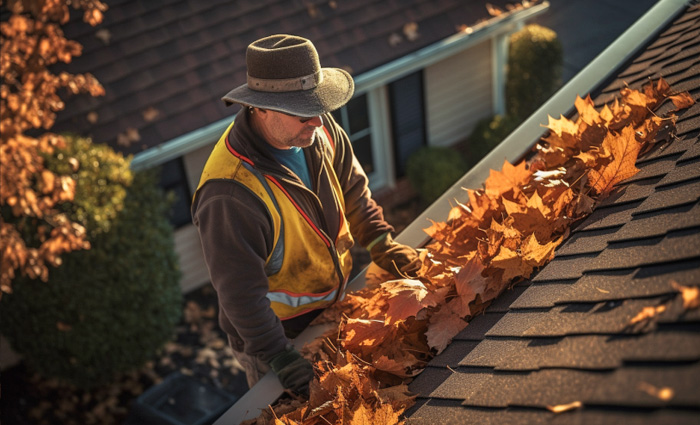
cleaning gutters and downspouts to prevent water damage

To keep your roof in excellent condition, there are several essential maintenance tasks that you need to perform regularly. These tasks range from cleaning gutters and downspouts to inspecting, flashing, and removing debris or biological growth. These steps safeguard your roof and prevent potential issues that may lead to costly repairs or replacements in the future.

With the right tools, you can tackle gutter and downspout maintenance like a pro. Equip yourself with:

  • A sturdy ladder with a stabilizer
  • A bucket
  • Puncture-resistant gloves
  • A gutter scoop
  • An extender wand for effective cleaning.

Cleaning Gutters and Downspouts

Regular cleaning of gutters and downspouts diverts water from exterior surfaces, mitigating the risk of rot, mold, and deterioration. This also ensures proper drainage, protecting your roofing, siding, and interior walls from potential damage. Cleaning your gutters and downspouts once or twice a year, ideally in the fall and late spring, is recommended.

Implementing a preventive roof maintenance program can help you stay on top of your roof’s condition and prevent potential issues. Now, with your sturdy ladder, ladder stabilizer, hard-working bucket, puncture-resistant work gloves, gutter scoop, and extender wand, let’s get cleaning!

Inspecting and Repairing Flashing

Inspecting flashing involves carefully checking several areas of the roof surface, while repairing may require using a flashing material patch and securing it with roofing cement to cover any damaged areas. The purpose of roof flashing is to protect areas prone to leaks and direct water away from vulnerable joints and features on the roof. Roofers commonly use galvanized steel, aluminum, and copper for roof flashing. These materials ensure the durability and reliability of your roof.

inspecting and repairing flashing to prevent leaks

A thorough examination of your roof flashing for cracks, gaps, or deterioration supports proactive maintenance of its integrity. Keep an eye out for loose or missing pieces, water stains, and signs of leaks.

Removing Debris and Addressing Biological Growth

Debris, moss, and algae on your roof can cause significant damage if not addressed promptly. It can trap moisture, causing the roof materials to rot and decay, and the extra weight can also strain the roof and lead to potential damage. To remove this debris, you can use a leaf blower or a broom to sweep it off. It’s a simple and effective way to keep your rooftop clean and well-maintained.

For moss and algae, a powerful method involves mixing one quart of bleach with one gallon of water and 1/4 cup of heavy-duty cleaner, like trisodium phosphate. Another great option is a 50:50 mix of laundry-strength liquid chlorine bleach and water. With these tips, you’ll be on your way to a clean, debris-free roof.

Tip: Trim back trees that are near or overhang your roof. This will eliminate a great portion of leaves and debris, and prevent their branches from falling and puncturing your roof.

Recognizing Signs of Roof Problems

Identifying signs of roof issues is vital for maintaining a healthy roof. While some signs are obvious, like water stains on the ceiling, others may require a more in-depth look. By regularly inspecting the interior and exterior of your roof, you can spot signs of damage early and address them promptly, preventing further deterioration and costly repairs.

Mold on a roof can seriously affect the strength of the roofing materials, leading to the potential breakdown of building materials and causing significant damage to the structure if it’s not taken care of. It’s important to address mold issues promptly to prevent any further damage.

Interior Indicators

Interior indicators of roof problems can be easily overlooked. However, staying vigilant about these signs can save you from expensive and extensive repairs in the future. When you spot common interior signs of roof problems such as:

  • Ceiling stains
  • Shinners
  • Mold where the roof and exterior wall meet
  • Increased utility bills
  • Structural damage to the roof

It’s important to take proactive steps to address any issues and maintain the integrity of your home.

recognizing signs of roof problems for early detection

It’s vital to identify signs of mold resulting from roof leaks. Look for water spots on ceilings and notice any musty odor in the affected areas.

Exterior Signals

Exterior signals of roof problems are often more visible and easier to spot. Here are some exterior signs that your roof may need attention:

  • Damaged or missing shingles
  • Problems with flashing leading to water infiltration
  • Rotted wood decking
  • Structural issues

Sunlight, precipitation, dirt, temperature changes, improper surface preparation, and ice dams are the factors that can cause paint to peel on roof overhangs.

When to Call a Professional Roofer

While homeowners themselves can tackle some maintenance tasks, it’s always best to call a professional roofer for routine inspections, major repairs, or full roof replacements. Professional roofers not only have the knowledge and experience to handle complex tasks but also have the necessary tools and safety equipment to do the job efficiently and safely.

You should aim to consider a full roof replacement as needed, which is roughly every 15 to 20 years to ensure your home is always protected. This is particularly important if you have an asphalt shingle roof, as this is the typical lifespan for such material.

Routine Inspections

routine roofing contractor inspection

Routine professional roof inspections are vital as they enable early detection of roofing issues, preventing costly repairs by resolving problems before they escalate. Scheduling professional roof inspections at least once a year, or even every two years, will help you avoid potential issues and keep your roof in top condition.

During a professional evaluation of commercial roofs, including tile roofs, the roof’s overall structure is thoroughly inspected for uneven planes, signs of sagging, and the condition of the soffit, fascia, and gutter system.

Major Repairs or Replacements

Complex tasks like major repairs or replacements typically necessitate the expertise of a professional roofer. From damaged fascia to situations demanding a complete roof replacement, professionals best handle these issues. By taking charge of your roof repairs or replacements, you can avoid:

  • the potential loss of warranty on shingles
  • safety risks
  • costly mistakes
  • further damage to the roof
  • the risk of personal injury due to poor workmanship.

Professional roofers make sure to prioritize safety during major repairs or replacements by diligently following safety measures such as:

  • wearing appropriate safety gear
  • using safety harnesses and fall protection systems
  • practicing proper body placement
  • adhering to preventive measures for roof work.

Tips for Choosing the Right Roofing Contractor

Selecting the appropriate roofing contractor is critical to a successful roofing project. You need a contractor that is:

  • Experienced
  • Reliable
  • Licensed
  • Insured
  • Reputable

Finding a roofing contractor with the proper license and insurance is essential in setting yourself up for success. Ensure they carry General Liability Insurance and Workmen’s Compensation Insurance for comprehensive coverage. Also, don’t forget to ask for proof of insurance to ensure they are adequately insured.

Licensing and Insurance

Hiring a licensed roofing contractor offers you the following:

  • Safety
  • Warranty
  • Reliability
  • Expertise
  • Time savings
  • Cost-effectiveness
  • Access to high-quality materials
  • Necessary insurance coverage
  • Peace of mind
  • The expertise to get the job done

A roofing contractor’s insurance, including general liability insurance and worker’s comp insurance, provides essential protection by covering property damage and injuries sustained by homeowners. It’s a crucial safeguard for peace of mind.

Experience and Reputation

hire a reputable and experienced roofing contractor

The experience and reputation of a roofing contractor play a significant role in the quality of work you can expect. A reputable roofing contractor:

  • Has sufficient experience, typically at least four years of supervisory work experience, to be eligible for a license
  • Sets the bar high with quality workmanship, expertise, and a commitment to customer satisfaction
  • Offers reasonable pricing
  • Maintains integrity
  • Provides insurance and warranties
  • Consistently meets project deadlines

Look for an established contractor who presents professionally, preferably with an office and online presence.

Written Estimates and Warranties

Securing a written estimate from a roofing contractor is vital as it enables comparisons between various contractors, informed decision-making about materials and project scope, and provides a clear understanding of project costs. It’s crucial to dive into the details and grasp the terms and limitations of a roofing warranty. Look out for proration after 5 or 10 years for material-only warranties, coverage for workmanship, and any limitations and exclusions.

Understanding these aspects will empower you to make informed decisions.

Preventative Maintenance Summary

In conclusion, preventative roof maintenance is an investment that pays off. Not only does it enhance the aesthetics of your home, but it also extends the life of your roof, saves you money, and ensures the safety of your home. By performing regular maintenance tasks, recognizing signs of problems, and knowing when to call a professional, you can keep your roof in top shape for years. Remember, the right roofing contractor can make all the difference. So, take charge of your roof’s health today, and reap the benefits tomorrow!

Frequently Asked Questions

Below are three of the more common preventative roof maintenance questions and answers:

What maintenance should be done on a roof?

To maintain your roof, keep the gutters clean, trim back trees, remove snow, check for damaged shingles, remove moss and mold, look for leaks, ensure strong insulation, and get a roof inspection. These steps will help keep your roof in good condition and prevent potential problems.

How can I recognize signs of roof problems?

Regular inspections of your roof, inside and out, can help you recognize signs of roof problems. Look for interior indicators like ceiling stains and mold and exterior signals such as damaged or missing shingles, problems with flashing, and rotted wood decking.

How do I choose the right roofing contractor?

Choose the right roofing contractor by checking their licensing and insurance, evaluating their experience and reputation, and requesting written estimates and warranties. Look for an established contractor with a strong reputation and professional demeanor. This will ensure quality work and peace of mind.


Roofing the Villages
(404) 220-9288

Roof Types for Insurance

Your roof does more than keep the rain out. For insurance companies, it’s one of the first things they evaluate when deciding how much to ch...